
Cause and effect essays are a core component of academic writing because they test a student’s ability to analyse relationships between events, decisions, or conditions and their outcomes. Without a clear outline, these essays often become descriptive lists rather than analytical arguments, which significantly weakens academic quality.
A well-designed cause and effect essay outline provides a structured roadmap for developing ideas logically and persuasively. This article explains how to build such an outline, why each section matters academically, and how students can adapt the framework across disciplines while maintaining analytical depth.
What a Cause and Effect Essay Outline Is and Why It Matters
A cause and effect essay outline is a planning structure that organises causes, effects, and their logical connections before drafting begins. It allows students to clarify their argument, identify gaps in reasoning, and ensure that each paragraph contributes meaningfully to the overall analysis.
At university level, instructors expect more than surface-level cause-and-effect claims. An outline helps students avoid vague assertions by forcing early decisions about scope, focus, and evidence.
Academic principle: Clear outlining strengthens causal logic and prevents unsupported or oversimplified arguments.
When used properly, an outline improves coherence, paragraph development, and alignment with marking criteria.
Core Components of a Cause and Effect Essay Outline
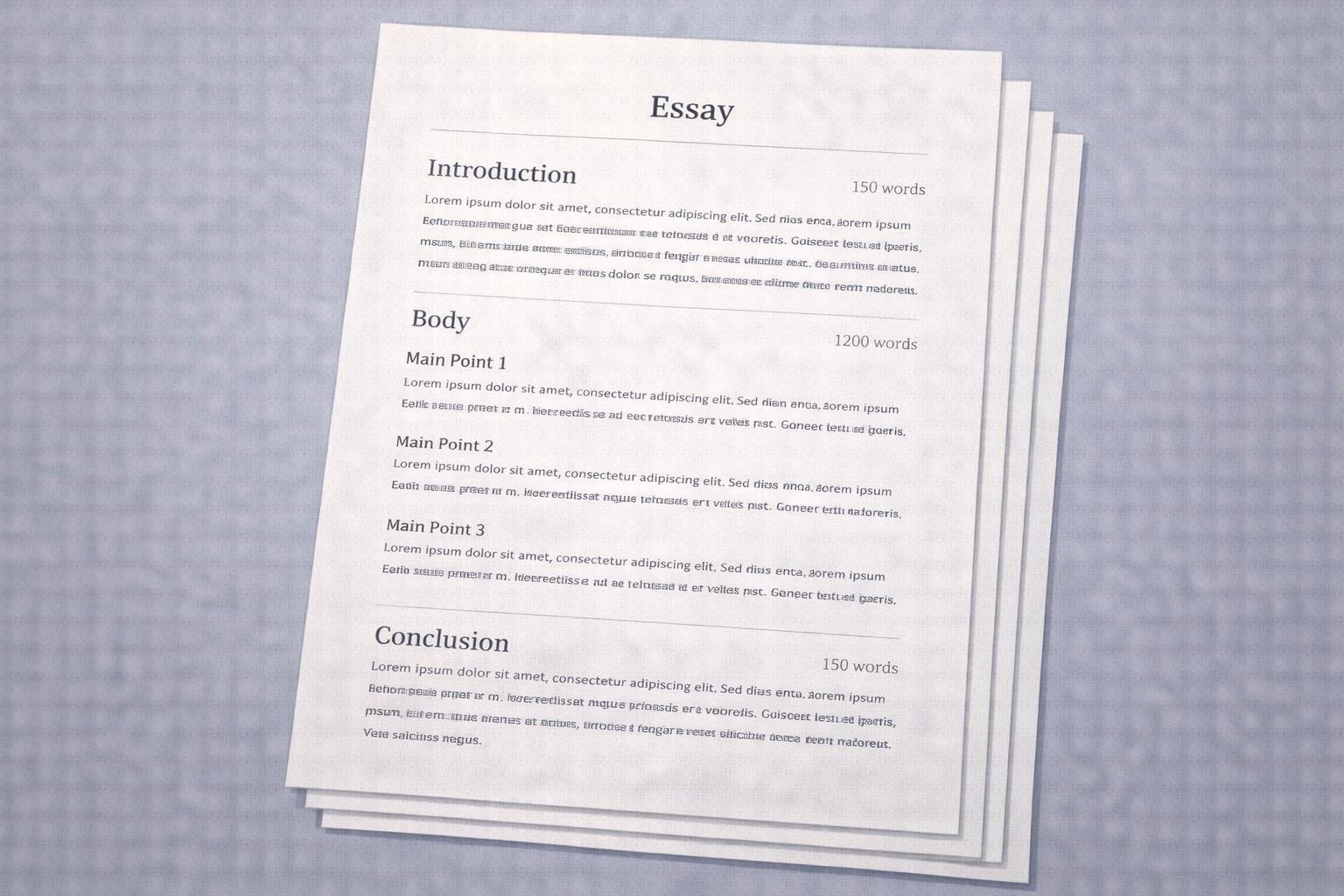
Although topics and disciplines vary, most cause and effect essay outlines share the same foundational components. These elements ensure logical flow from introduction to conclusion.
Each section serves a specific analytical purpose rather than functioning as a formal requirement.
| Section | Purpose | Academic Focus |
|---|---|---|
| Introduction | Introduce topic and thesis | Contextual framing and focus |
| Body Paragraphs | Analyse causes and/or effects | Logical explanation and depth |
| Conclusion | Synthesise findings | Implications and insight |
Understanding the role of each component allows students to adapt the outline without losing academic clarity.
Introduction Section in a Cause and Effect Essay Outline
The introduction sets the analytical direction of the essay. It should briefly introduce the topic, explain its relevance, and narrow the focus toward a specific causal relationship.
A strong introduction also presents a clear thesis statement that identifies whether the essay focuses on causes, effects, or a combination of both.
Key elements to include
- Brief background or context
- Clear identification of the phenomenon being analysed
- Focused thesis statement outlining causal direction
This section should be concise but purposeful, avoiding broad generalisations or narrative detail.
Body Paragraph Structures in Cause and Effect Essay Outlines
The body of a cause and effect essay carries the analytical weight of the assignment. The outline must clearly define how each paragraph contributes to explaining the causal relationship.
There are three common body structures used in academic cause and effect essays.
| Structure Type | Focus | Best Used For |
|---|---|---|
| Cause-focused | Multiple causes → one effect | Origins of a problem |
| Effect-focused | One cause → multiple effects | Impact analysis |
| Chain structure | Sequential cause-effect links | Complex social or policy issues |
Selecting the correct structure at outline stage prevents repetition and logical confusion later in the essay.
Example Outline: Cause-Focused Essay
Sample topic: Causes of academic burnout among university students.
This outline emphasises multiple causes leading to a single outcome, which is common in education and psychology assignments.
Outline breakdown
- Introduction: Context of academic pressure and thesis identifying key causes of burnout.
- Body Paragraph 1: Excessive workload and unrealistic expectations.
- Body Paragraph 2: Poor time management and lack of institutional support.
- Body Paragraph 3: Financial stress and external responsibilities.
- Conclusion: Summary of causal factors and implications for student wellbeing.
Each body paragraph in this outline focuses on one cause, ensuring depth rather than surface-level listing.
Example Outline: Effect-Focused Essay
Sample topic: Effects of prolonged remote learning on student engagement.
This structure is effective when the assignment requires evaluation of consequences rather than origins.
Outline breakdown
- Introduction: Background on remote learning and thesis outlining major effects.
- Body Paragraph 1: Reduced peer interaction and motivation.
- Body Paragraph 2: Increased cognitive fatigue and disengagement.
- Body Paragraph 3: Unequal access to learning resources.
- Conclusion: Synthesis of effects and implications for future teaching models.
This outline ensures that each effect is explained through clear mechanisms rather than assumptions.
Chain Cause and Effect Essay Outline Example
Sample topic: How economic inequality affects educational outcomes.
Chain structures are analytically demanding because each paragraph must logically lead to the next.
Sequential outline
- Introduction: Overview of inequality and thesis outlining causal chain.
- Body Paragraph 1: Income inequality leading to underfunded schools.
- Body Paragraph 2: Underfunding resulting in limited educational resources.
- Body Paragraph 3: Resource limitations causing lower academic achievement.
- Conclusion: Summary of causal sequence and broader social implications.
Examiner expectation: Each link in a causal chain must be explicitly justified to maintain academic credibility.
Common Mistakes When Creating a Cause and Effect Essay Outline
One frequent error is including too many causes or effects without sufficient explanation. This leads to shallow analysis and weak argumentation.
Another issue is confusing correlation with causation. Academic outlines should already reflect critical thinking by distinguishing between related events and genuine causal relationships.
Critical warning: Avoid outlining causes or effects that cannot be logically explained or supported.
How Lecturers Use Outlines to Assess Essay Quality
While outlines are not always submitted, lecturers can easily identify whether an essay was well planned. Clear paragraph focus, logical progression, and balanced development all signal effective outlining.
An essay based on a strong cause and effect outline typically demonstrates better coherence, stronger analysis, and higher academic confidence.
Final Guidance on Building a Strong Cause and Effect Essay Outline
A cause and effect essay outline is not a formality but an analytical tool. It helps students clarify relationships, control scope, and meet academic expectations.
By selecting an appropriate structure, defining clear paragraph roles, and ensuring logical causal connections, students can approach cause and effect essays with confidence and academic precision.
Comments