“1000 words how many pages?” is one of the most common academic questions students ask, especially when assignments specify both word counts and page limits. While the question seems simple, the answer is never a single fixed number. Page length depends on formatting rules, spacing, font size, and institutional conventions.
Understanding how 1,000 words translate into pages is not about guessing or approximating. It is about learning how universities measure written work and how markers interpret length in relation to academic depth. This guide explains how page counts work, what affects them, and how students should approach assignments that specify words, pages, or both.
Why Universities Use Word Counts Instead of Pages
Universities prioritise word counts because pages are visually variable. A single page can contain vastly different amounts of text depending on spacing, margins, and font style. Word counts provide a consistent and measurable standard for assessing workload and depth.
When an assignment specifies 1,000 words, the institution is signalling the expected scope of argument, evidence, and analysis. Page numbers are secondary and are usually used only as an approximate reference.
This is why academic marking focuses on word limits rather than how many pages the document fills.
Key academic rule: Always treat the word count as authoritative, even if a page range is mentioned.
Standard Formatting Assumptions in Academic Writing
To answer how many pages 1,000 words make, we must first establish standard academic formatting. Most universities assume conventional formatting unless stated otherwise in the brief.
These conventions are widely used across humanities, social sciences, and many business-related disciplines.
- Font: Times New Roman or Arial
- Font size: 12-point
- Line spacing: Double-spaced
- Margins: 1 inch (2.54 cm) on all sides
Under these conditions, page length becomes predictable and academically comparable.
How Many Pages Is 1000 Words with Double Spacing?
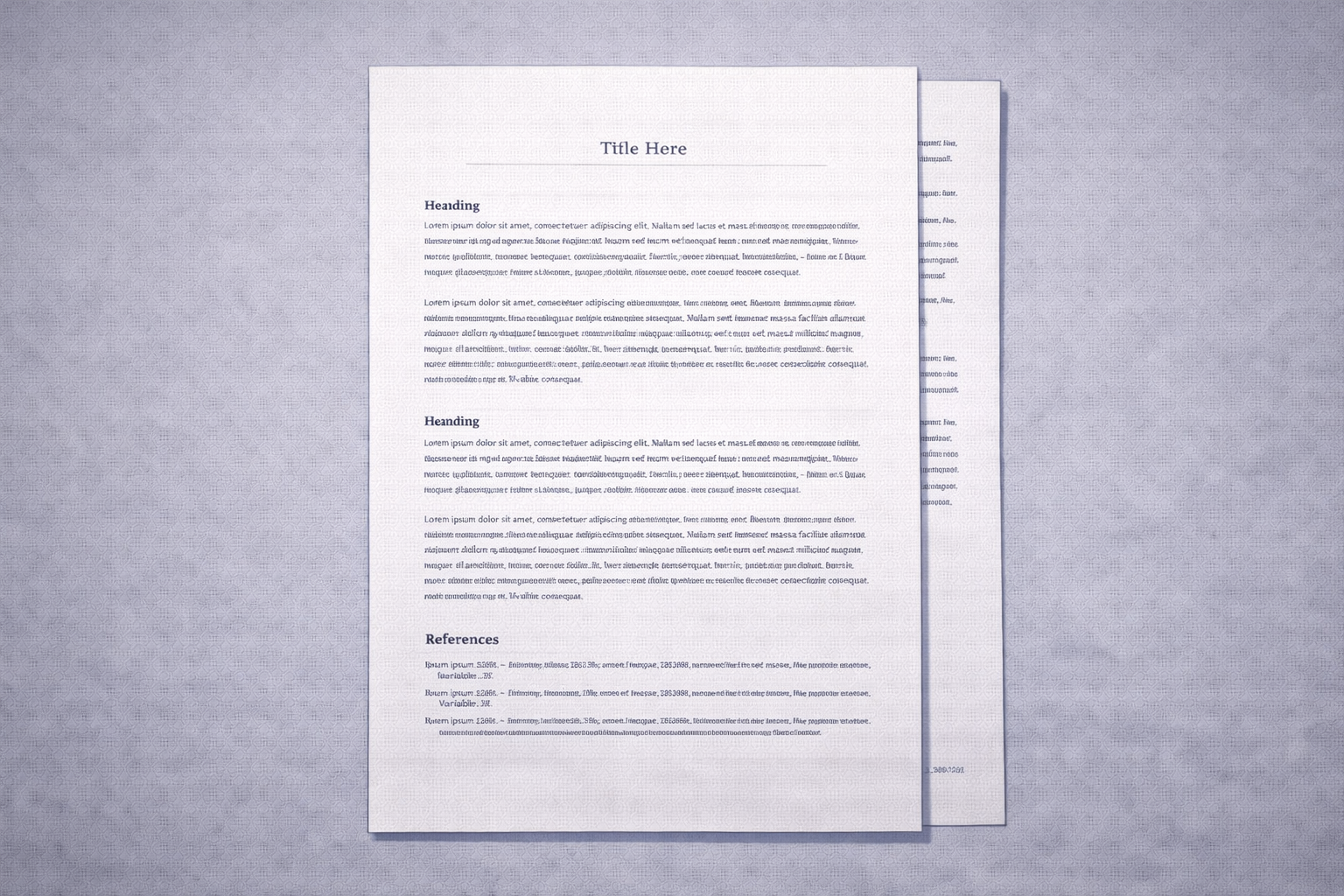
With standard academic formatting and double spacing, 1,000 words typically equal approximately four pages. This estimate assumes normal paragraph spacing and no excessive headings or bullet lists.
Each double-spaced page usually contains around 250 words. Therefore, dividing 1,000 words by 250 words per page gives a total of four pages.
This is the most common scenario for undergraduate and postgraduate essays.
| Spacing Type | Approx. Words per Page | Total Pages for 1000 Words |
|---|---|---|
| Double-spaced | 250 | 4 pages |
| Single-spaced | 500 | 2 pages |
This table illustrates why spacing is the single most influential factor in page length.
Single-Spaced Writing: How Page Count Changes
When text is single-spaced, the number of words per page roughly doubles. A single-spaced academic page typically contains about 500 words.
Under these conditions, 1,000 words usually equal two full pages. However, single spacing is far less common for essays and is more typical in reports, reflections, or professional documents.
Students should never switch spacing to manipulate page count unless the brief explicitly allows it.
Examiner warning: Altering spacing to change page length can result in penalties.
Font Choice and Its Impact on Page Length
Font style subtly affects how many words fit on a page. Fonts like Times New Roman are compact, while others such as Arial take up more horizontal space.
Even when font size remains at 12-point, switching fonts can slightly change page length. Over long documents, this difference becomes noticeable.
For consistency and compliance, students should always use the font specified in the assignment brief.
Paragraph Structure and White Space
Page count is also influenced by paragraphing. Essays with clear paragraph breaks and logical structure will occupy more vertical space than dense blocks of text.
This is not a disadvantage. Academic writing values readability and structured argumentation over compactness.
Well-spaced paragraphs support clarity, even if they slightly increase page count.
Headings, Subheadings, and Page Length
Assignments that allow or require headings will usually extend page length slightly. Headings introduce white space and visual structure.
In a 1,000-word essay, headings may add half a page without increasing word count. This is entirely acceptable when headings are academically appropriate.
Students should not remove headings simply to reduce page numbers.
What Does Not Count Toward Word Count
Understanding word count rules helps contextualise page length. In most universities, certain elements are excluded from the word count.
- Reference lists or bibliographies
- Title pages
- Appendices (unless stated otherwise)
These sections may add pages to the document without affecting the 1,000-word requirement.
Why Page Count Is a Secondary Metric
Markers do not grade essays based on page length. They assess argument quality, evidence use, and critical engagement.
An essay that is four pages long but poorly argued will score lower than a three-and-a-half-page essay that meets the learning outcomes.
Page count is therefore descriptive, not evaluative.
Common Student Mistakes When Estimating Pages
Students often rely on online page calculators without considering formatting assumptions. This leads to confusion when their document looks longer or shorter than expected.
Another common mistake is assuming that page count matters more than word count. This can result in unnecessary editing or formatting changes.
Understanding the underlying logic eliminates these issues.
How Lecturers Interpret a 1000-Word Assignment
When lecturers set a 1,000-word essay, they expect focused analysis rather than exhaustive coverage. The length signals concision, not superficiality.
Typically, a 1,000-word essay includes a brief introduction, several focused body paragraphs, and a concise conclusion.
This structure aligns naturally with a four-page double-spaced format.
Planning a 1000-Word Essay Effectively
Rather than thinking in pages, students should plan by word allocation. This ensures balanced development of ideas.
A common planning breakdown might include:
- Introduction: 100–120 words
- Main body: 750–800 words
- Conclusion: 100–120 words
This approach guarantees coherence regardless of final page count.
Editing and Page Count Changes
Editing often changes page length even when word count stays the same. Tightening sentences, adjusting paragraph breaks, or refining transitions can alter layout.
Students should not be alarmed if page count shifts slightly during revision. Word count compliance remains the priority.
Final checks should always focus on words, not pages.
Using Page Count as a Rough Reference Only
Page count can be useful for early planning, especially when estimating workload. Knowing that 1,000 words equal roughly four double-spaced pages helps with time management.
However, it should never replace careful attention to assignment instructions.
When in doubt, word count always takes precedence.
1000 Words and Academic Confidence
Understanding that 1,000 words usually equal about four double-spaced pages removes unnecessary stress.
Instead of worrying about visual length, students can focus on clarity, argumentation, and evidence quality.
Academic writing becomes more manageable when length requirements are understood conceptually rather than guessed.
Answering the Question Clearly
So, how many pages is 1,000 words? Under standard university formatting, the answer is approximately four double-spaced pages or two single-spaced pages.
More importantly, page count should always be interpreted through the lens of formatting rules and institutional expectations.
By focusing on word count and structure, students meet requirements with confidence and academic integrity.

Comments