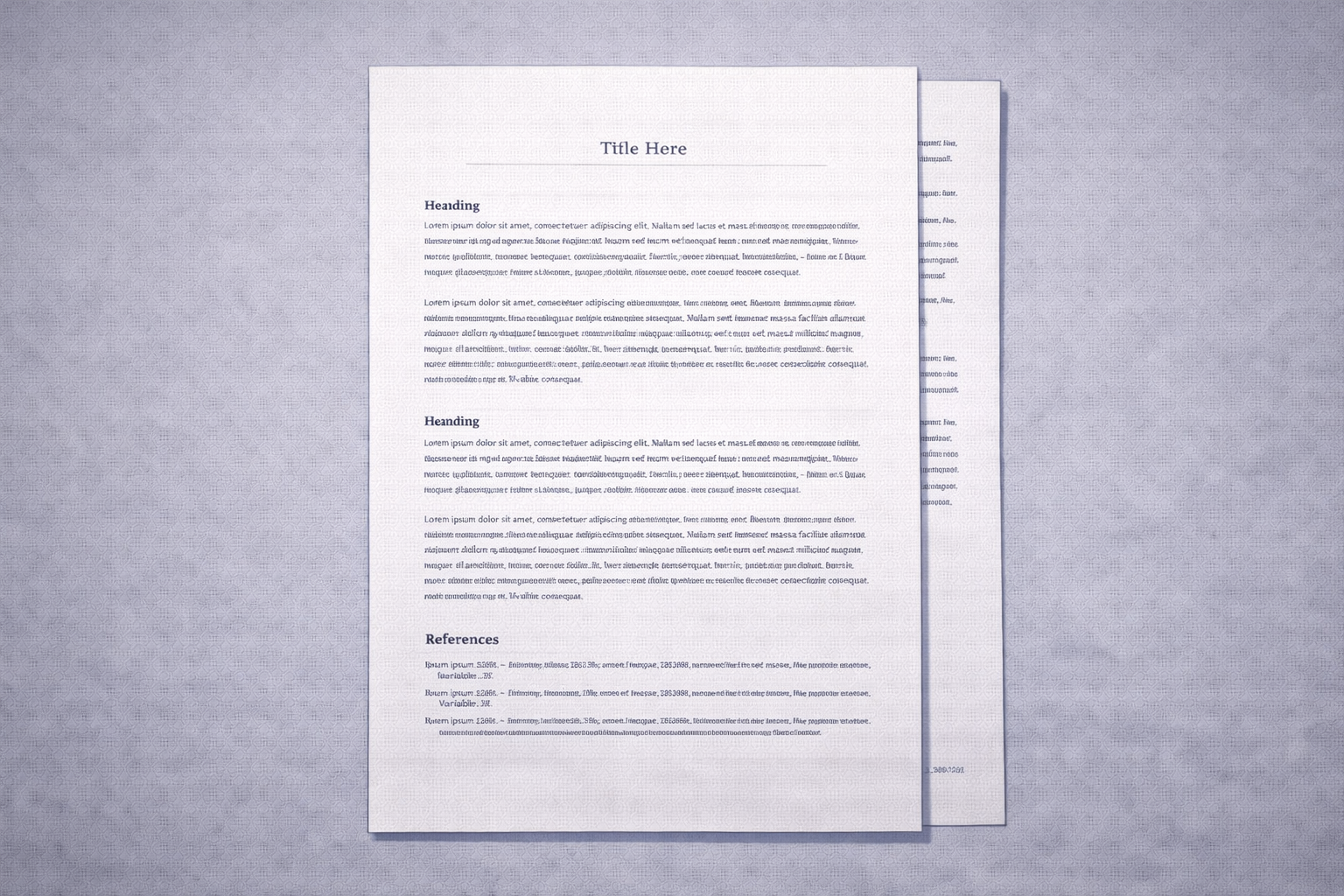
In university-level assessment, academic quality is judged not only by ideas and analysis but also by presentation. Formatting is the first thing an examiner encounters, and it silently communicates whether a student understands academic conventions. Even strong arguments can be undermined if formatting rules are ignored or applied inconsistently.
Academic formatting rules exist to ensure clarity, fairness, and readability across disciplines. They allow examiners to focus on content rather than deciphering structure, spacing, or referencing errors. For students, formatting provides a framework that supports logical organisation and professional presentation.
This article explains the most important academic formatting rules, how they are applied in university assignments, and how students can avoid common formatting mistakes that cost marks.
What Are Academic Formatting Rules?
Academic formatting rules are formal guidelines that govern how written academic work is presented. These rules apply to layout, spacing, headings, citations, references, tables, and overall document structure.
Universities adopt formatting standards to create consistency across submissions. While specific requirements may vary by institution or module, the underlying principles remain largely universal.
Understanding formatting rules is not about aesthetics alone. It is about demonstrating academic literacy and respect for disciplinary norms.
Academic definition: Formatting rules are conventions that standardise the visual and structural presentation of scholarly writing.
Why Formatting Matters in University Assessment
Formatting directly affects how an assignment is read and evaluated. Examiners often assess dozens or hundreds of scripts, and clear formatting reduces cognitive load.
Poor formatting can signal weak preparation, lack of attention to detail, or misunderstanding of academic expectations. In some cases, marks are explicitly allocated to presentation and adherence to guidelines.
More importantly, formatting supports argumentation. Clear headings, spacing, and alignment make complex ideas easier to follow.
Core Page Layout Rules in Academic Writing
Page layout forms the foundation of academic formatting. These rules apply before any content is assessed.
Although exact specifications vary, most universities expect consistency across the entire document.
Margins, Spacing, and Alignment
Standard academic practice uses uniform margins on all sides of the page, usually around 2.5 cm. This ensures readability and space for examiner comments.
Line spacing is typically set to 1.5 or double spacing, allowing the text to breathe visually and making annotations easier.
Text is usually left-aligned rather than fully justified to avoid uneven spacing between words.
Font Type and Size
Academic formatting rules favour readability over creativity. Serif fonts such as Times New Roman or sans-serif fonts like Arial are commonly accepted.
Font size is typically set at 11 or 12 points for the main text. Deviating from this without instruction can be penalised.
Consistency is critical. Mixing fonts or sizes within the same document undermines professionalism.
Structuring Headings and Subheadings Correctly
Headings guide the reader through the logical structure of an academic argument. They are especially important in reports, dissertations, and long essays.
Formatting rules for headings usually specify hierarchy, spacing, and consistency.
Improper heading structure can confuse examiners and weaken coherence.
Heading Hierarchy and Clarity
Headings should reflect logical progression rather than decoration. Main sections use higher-level headings, while subsections use subordinate levels.
Headings should be descriptive and content-focused, not generic labels.
Overuse of headings can fragment an argument, while underuse can make it difficult to follow.
Paragraph Formatting and Academic Flow
Paragraph structure is a central component of academic formatting. Each paragraph should present a single, coherent idea.
Paragraphs are separated by spacing rather than indentation in most university guidelines.
Very short paragraphs and overly long blocks of text are both discouraged.
Referencing and Citation Formatting Rules
Referencing is one of the most strictly enforced formatting areas in academic writing. Incorrect referencing can lead to mark deductions or academic misconduct concerns.
Different disciplines use different referencing styles, such as Harvard, APA, or Chicago.
What matters most is accuracy and consistency.
In-Text Citations
In-text citations must follow the rules of the chosen referencing style precisely. This includes punctuation, order of information, and placement.
Citations should be integrated smoothly into sentences rather than dropped awkwardly at the end.
Missing or inconsistent citations weaken academic credibility.
Reference List Formatting
The reference list must include all sources cited in the text and no sources that are not cited.
Formatting rules govern spacing, indentation, capitalisation, and ordering.
Errors in the reference list are among the most common avoidable mistakes.
Formatting Tables and Figures in Academic Work
Tables and figures must be formatted clearly and labelled correctly. They should enhance understanding, not decorate the page.
Each table or figure must be introduced in the text and explained.
Improperly formatted tables can confuse readers and obscure data.
| Formatting Element | Primary Purpose | Common Student Error |
|---|---|---|
| Margins and spacing | Readability and annotation space | Inconsistent spacing |
| Headings | Structural clarity | Generic or missing headings |
| Referencing | Academic integrity | Incorrect citation format |
| Tables | Data presentation | Unlabelled or unexplained tables |
Understanding how formatting supports meaning helps students apply rules more effectively.
Common Academic Formatting Mistakes Students Make
Many formatting errors occur not because students are careless, but because they underestimate the importance of detail.
Small inconsistencies accumulate and affect the overall impression of the work.
Awareness of common mistakes helps prevent them.
- Ignoring the assignment brief’s formatting instructions
- Mixing referencing styles
- Inconsistent heading levels
- Improper spacing between sections
- Over-formatting with bold or italics
Each of these errors can be avoided through careful review.
Formatting Rules in Dissertations and Major Projects
Large academic projects impose stricter formatting expectations than short essays.
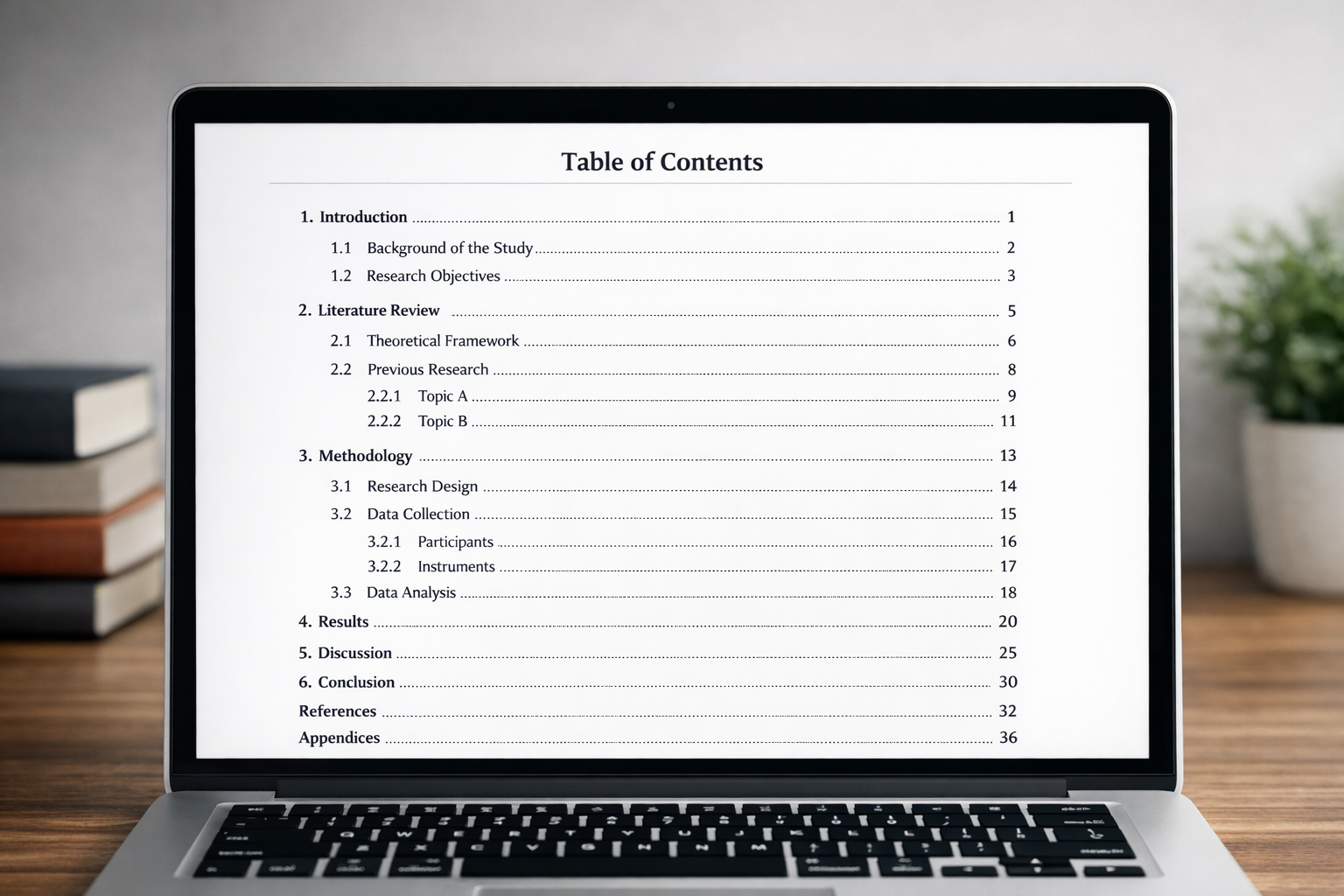
Dissertations often include title pages, abstracts, contents pages, appendices, and specific numbering rules.
Failure to follow these rules can delay submission or require resubmission.
Students undertaking major projects often benefit from structured guidance such as dissertation writing support.
Editing and Proofreading for Formatting Accuracy
Formatting should be checked separately from content editing. This allows students to focus exclusively on presentation details.
Professional editing and proofreading services often include formatting checks aligned with university guidelines.
This final stage can significantly improve clarity and presentation quality.
Applying Academic Formatting Rules with Confidence
Academic formatting rules are not obstacles; they are tools that support clear communication and fair assessment.
Students who apply formatting rules consistently demonstrate academic maturity and professionalism.
By understanding the purpose behind formatting conventions, students can focus their energy on analysis while presenting their work with confidence and precision.
Comments