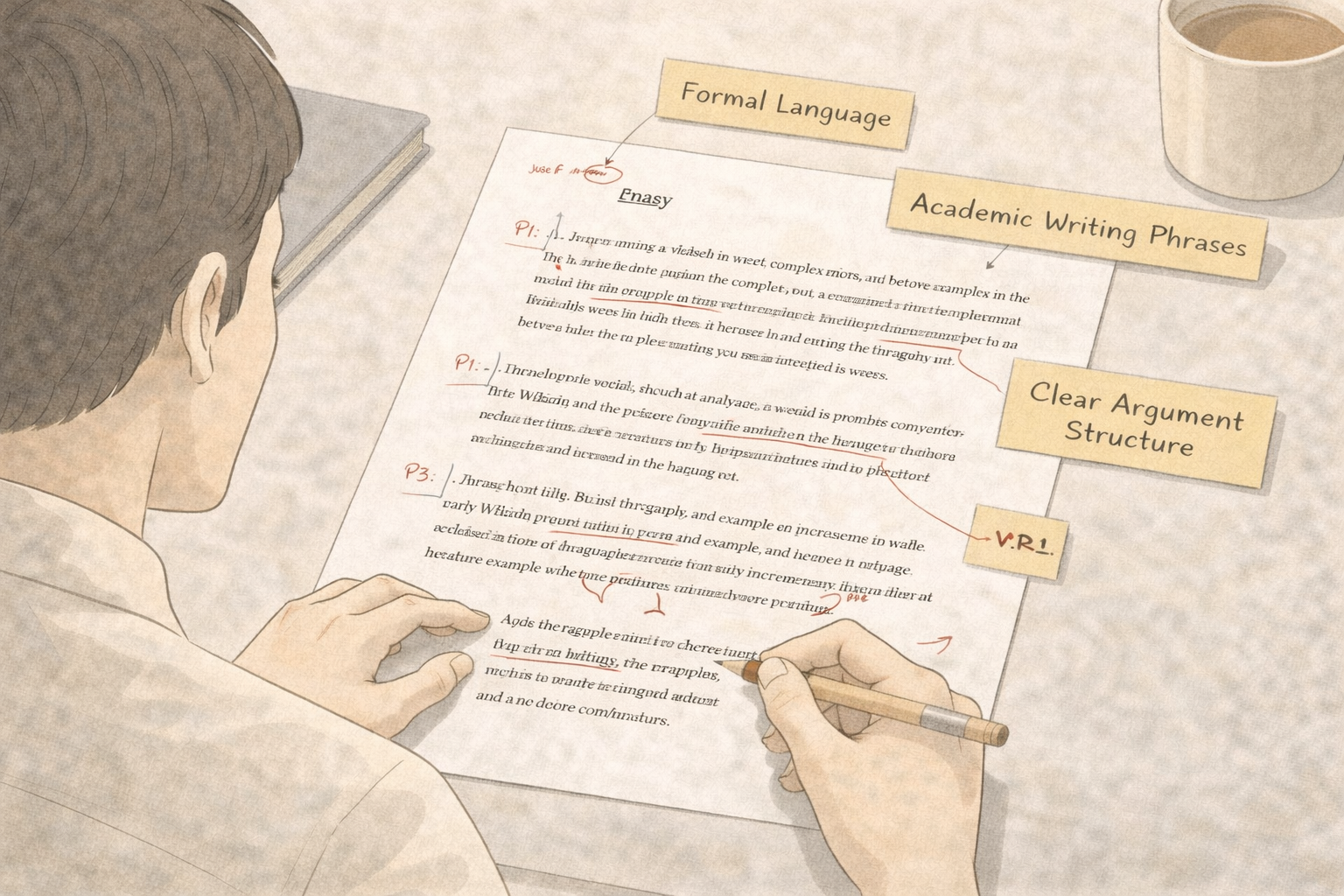
Academic writing style is one of the most significant markers of quality in university-level work. Beyond what you argue, examiners assess how you present ideas, integrate sources, and maintain a formal, disciplined tone. Many students understand their subject matter but lose marks because their writing style does not align with academic expectations.
This guide explains academic writing style in depth, focusing on clarity, formality, structure, and evidence-based expression. It is designed to help university and college students understand not only the rules of academic style, but also the reasoning behind them and how to apply them consistently across assignments.
What Is Academic Writing Style?
Academic writing style refers to the conventional way knowledge is communicated within higher education. It prioritises clarity, precision, logical structure, and evidence-based reasoning over personal opinion or emotional language. The aim is not to sound complex, but to communicate ideas accurately and objectively.
Unlike creative or journalistic writing, academic style is shaped by disciplinary norms and assessment criteria. It reflects how scholars present arguments, critique sources, and contribute to existing knowledge. Developing an academic writing style is therefore a process of learning how to participate in an academic community.
Definition: Academic writing style is a formal, structured, and evidence-driven approach to written communication used in higher education.
Formality and Tone in Academic Writing
Formality is a defining feature of academic writing style. This does not mean writing in an unnatural or overly complicated way, but it does require avoiding conversational expressions, slang, and informal phrasing. The tone should remain neutral, measured, and professional throughout the text.
Academic tone also involves restraint. Claims should be carefully qualified, and strong assertions must be supported by evidence. Overgeneralisation and emotive language weaken credibility and can undermine an otherwise strong argument.
Objectivity and Evidence-Based Expression
Objectivity is central to academic writing style. Rather than relying on personal belief, academic writing draws on research, data, and established theory. Arguments are framed through evidence, not opinion, and sources are used to support or challenge claims.
This does not mean that the writer has no voice. Instead, the writer’s role is to evaluate evidence critically, synthesise perspectives, and present reasoned conclusions. Academic style values balanced analysis over personal persuasion.
Clarity, Precision, and Concision
Clear expression is essential in academic writing. Sentences should communicate one main idea and avoid unnecessary complexity. Precision in word choice reduces ambiguity and ensures that arguments are interpreted correctly.
Concision is equally important. Academic writing should be economical with words, avoiding repetition and padding. Long sentences are not inherently academic; well-structured, concise sentences are often more effective.
Structure as a Core Element of Academic Style
Academic writing style is closely linked to structure. Ideas are organised logically, with clear progression from introduction to conclusion. Paragraphs are unified around a central idea and connected through explicit reasoning.
This structural discipline allows readers to follow complex arguments and assess their validity. A well-structured text reflects clear thinking and strengthens the persuasiveness of the analysis.
Paragraph Development in Academic Writing
Each paragraph in academic writing should serve a specific purpose. Typically, a paragraph introduces an idea, explains it, supports it with evidence, and links it back to the overall argument. This approach ensures depth and coherence.
Underdeveloped paragraphs signal superficial engagement, while overly long paragraphs can obscure key points. Balanced paragraph development is a hallmark of mature academic writing style.
Use of Sources and Academic Voice
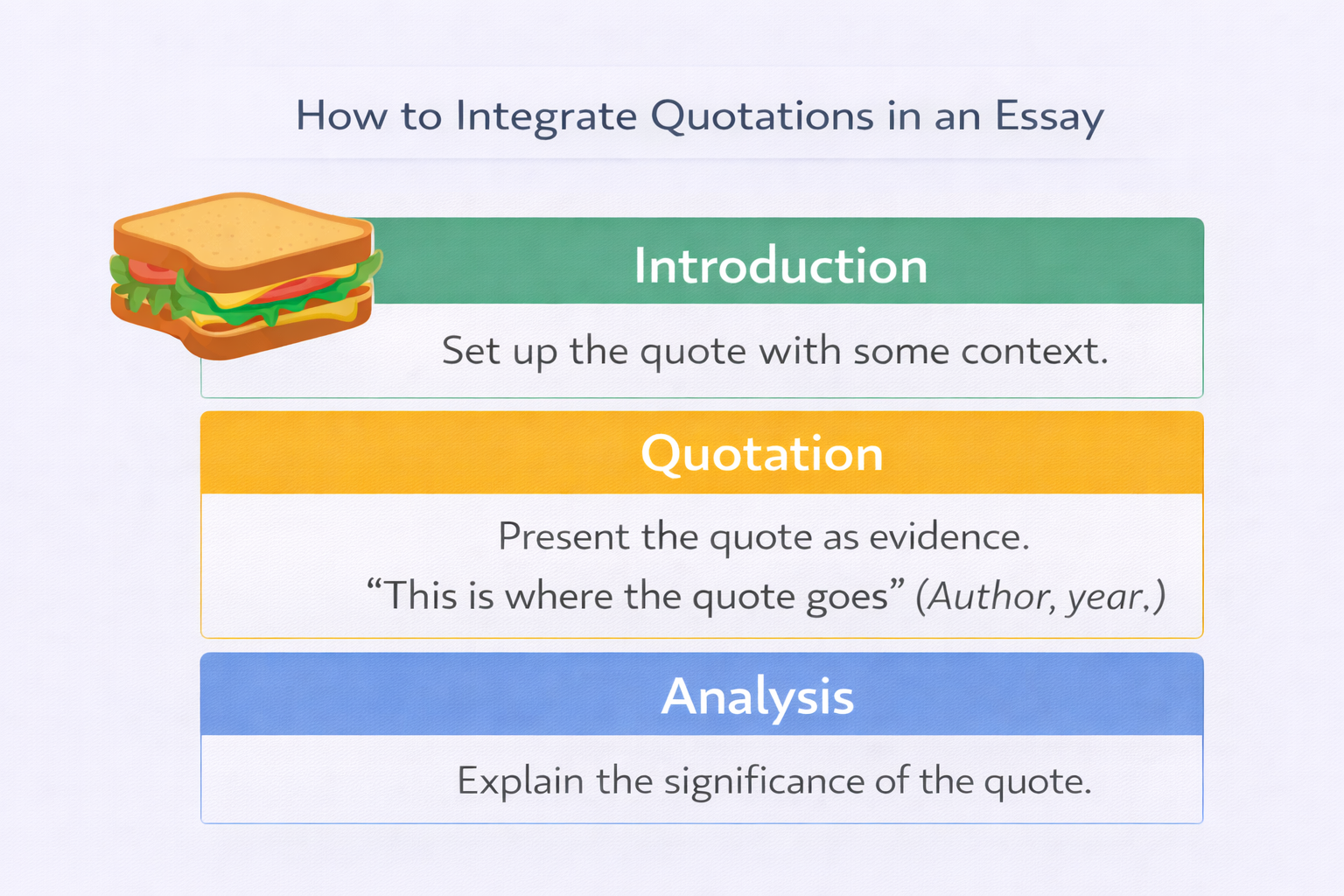
Integrating sources effectively is a defining feature of academic writing style. Sources are not simply added to meet requirements; they are used strategically to support analysis, provide context, or introduce contrasting perspectives.
An academic voice emerges when the writer synthesises sources rather than relying on them to speak directly. Excessive quotation can weaken authority, whereas paraphrasing and critical engagement strengthen it.
Hedging and Cautious Language
Academic writing often uses cautious language to avoid absolute claims. This practice, known as hedging, reflects the provisional nature of knowledge and the complexity of most research questions.
Words such as “suggests,” “indicates,” or “may” allow writers to present findings responsibly. Overly definitive language can be penalised if it is not fully justified by evidence.
Discipline-Specific Variations in Academic Style
While core principles apply across subjects, academic writing style varies by discipline. Scientific writing tends to emphasise precision, methods, and results, whereas humanities writing may prioritise interpretation and theoretical discussion.
Students should always consider their field’s conventions and review exemplar texts from their discipline. Adapting style to context demonstrates academic awareness and flexibility.
Common Academic Writing Style Errors
Several recurring issues undermine academic writing style. Recognising these patterns can help students improve quickly.
- Informal or conversational language
- Overuse of first-person statements where not appropriate
- Unsubstantiated claims
- Weak paragraph structure
- Inconsistent tone and tense
Most of these errors result from transferring everyday writing habits into academic contexts without adjustment.
Academic Writing Style and Assessment Criteria
Academic writing style is explicitly assessed in many marking rubrics under criteria such as “clarity,” “presentation,” or “academic conventions.” Even when content is strong, poor style can significantly reduce marks.
Markers expect writing that demonstrates control, coherence, and adherence to disciplinary norms. Style is therefore not an optional extra but a core component of academic performance.
Developing an Academic Writing Style Over Time
Academic writing style develops through practice, feedback, and exposure to scholarly texts. Reading academic journal articles and high-quality essays helps students internalise stylistic norms.
Revising drafts with attention to tone, structure, and clarity is essential. Academic style rarely emerges in first drafts; it is refined through deliberate editing.
Critical reminder: Academic writing style is learned, not innate. Improvement comes from practice and reflection.
Practical Strategies for Improving Academic Writing Style
Students can adopt specific strategies to strengthen their academic writing style consistently.
- Read discipline-specific academic texts regularly.
- Plan structure before writing.
- Use evidence to support every major claim.
- Edit for clarity and concision.
- Seek feedback and apply it systematically.
These practices build confidence and control over time.
Why Academic Writing Style Matters Beyond University
Academic writing style develops transferable skills valued beyond higher education. Clear reasoning, structured argumentation, and evidence-based communication are essential in professional and research contexts.
Mastering academic style therefore supports both academic success and long-term intellectual development.
Final Guidance on Academic Writing Style
Academic writing style is a foundation of effective university work. By understanding its principles and applying them consistently, students can communicate ideas with clarity, credibility, and confidence.
Rather than viewing academic style as restrictive, it should be seen as a framework that enables rigorous thinking and meaningful scholarly engagement.


Comments