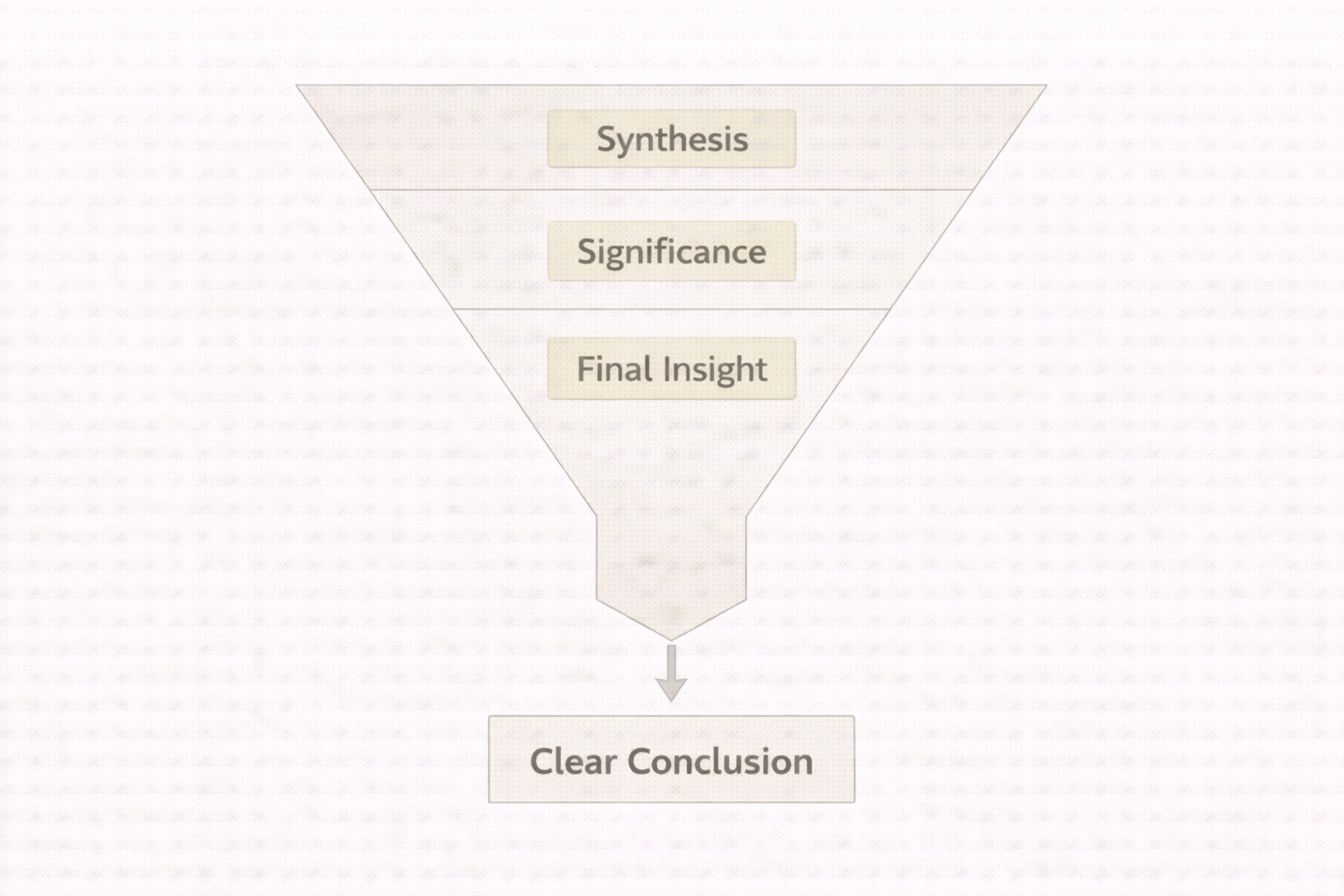
In university writing, body paragraphs carry the intellectual weight of an essay. While introductions set expectations and conclusions synthesise findings, it is within the body paragraphs that arguments are constructed, evidence is evaluated, and critical thinking becomes visible to the examiner. Understanding how to write body paragraphs effectively is therefore essential for academic success.
Many students struggle not because they lack ideas, but because their body paragraphs are underdeveloped, unfocused, or poorly structured. This article explains how to write body paragraphs that meet university standards, showing how to move from a clear point to convincing academic analysis.
What Is a Body Paragraph in Academic Writing?
A body paragraph is a self-contained unit of argument within an essay. Each paragraph focuses on one main idea that directly supports the overall thesis. In academic writing, body paragraphs are expected to do more than describe; they must analyse, evaluate, and explain.
Well-written body paragraphs demonstrate logical reasoning and evidence-based thinking. They guide the reader step by step through an argument, making it clear not only what the writer claims, but why that claim is valid.
A strong body paragraph develops one clear idea and explains its relevance to the essay’s central argument.
Why Body Paragraphs Matter Most in University Essays
University marking criteria place significant emphasis on argument development and critical analysis. These elements appear almost exclusively in body paragraphs, not in introductions or conclusions.
Weak body paragraphs often lead to comments such as “lacks depth,” “insufficient analysis,” or “descriptive rather than critical.” Learning how to structure and develop body paragraphs directly addresses these common academic weaknesses.
Most lost marks in university essays occur in body paragraphs, not in introductions or conclusions.
The Core Structure of an Effective Body Paragraph
Although disciplines vary, most academic body paragraphs follow a recognisable logical pattern. This structure ensures clarity, coherence, and analytical depth.
| Component | Function |
|---|---|
| Topic Sentence | Introduces the main idea of the paragraph |
| Explanation | Clarifies the idea and links it to the thesis |
| Evidence | Supports the idea using credible sources |
| Analysis | Explains why the evidence is significant |
| Link | Connects the paragraph to the overall argument |
Not every paragraph must follow this pattern rigidly, but omitting one of these elements often weakens the argument.
Writing Clear and Focused Topic Sentences
The topic sentence sets the direction of the entire paragraph. It should clearly state the main claim or point without introducing multiple ideas.
Effective topic sentences are specific and argumentative rather than vague. Instead of announcing the subject, they communicate a position that can be supported and analysed.
A topic sentence should make a claim that requires evidence and explanation.
For example, rather than stating that “Social media affects communication,” a stronger topic sentence would specify how or why that effect matters within the essay’s argument.
Explaining Ideas Before Introducing Evidence
One common mistake is presenting evidence too quickly, without first explaining the idea it is meant to support. Academic readers expect writers to guide them through the reasoning process.
After the topic sentence, the writer should clarify what the claim means, define key terms if necessary, and establish how the idea connects to the thesis. This explanation creates context for the evidence that follows.
Evidence without explanation often appears irrelevant or confusing to examiners.
Using Evidence Effectively in Body Paragraphs
Evidence provides credibility, but only when used purposefully. In academic body paragraphs, evidence may include scholarly sources, data, theories, or authoritative examples.
Writers should select evidence that directly supports the paragraph’s main idea rather than including sources simply to demonstrate research effort.
- Use evidence that clearly relates to the topic sentence
- Integrate sources smoothly into your own sentences
- Follow required referencing conventions consistently
Students who struggle with source integration often benefit from structured academic support such as professional essay writing assistance, particularly in research-heavy assignments.
Developing Critical Analysis, Not Description
Analysis is what transforms a paragraph from descriptive to academic. It explains how and why the evidence supports the claim, rather than merely restating what the source says.
Strong analysis interprets evidence, compares perspectives, evaluates limitations, or explores implications. This demonstrates independent thinking and engagement with the material.
| Description | Analysis |
|---|---|
| Summarises what a source says | Explains why the source matters |
| Reports findings | Interprets significance and implications |
| Lists facts | Connects facts to the argument |
Examiners reward analysis because it shows higher-order thinking rather than surface-level understanding.
Maintaining Paragraph Unity and Coherence
Each body paragraph should focus on a single idea. Introducing unrelated points, even if interesting, weakens coherence and confuses the reader.
Transitions and linking phrases help maintain logical flow both within and between paragraphs. These connections make the essay feel purposeful rather than fragmented.
How Long Should a Body Paragraph Be?
At university level, body paragraphs are typically between 150 and 250 words, depending on the overall essay length. Very short paragraphs often indicate underdeveloped ideas.
However, length alone does not determine quality. A well-developed paragraph is one that fully explains, supports, and analyses its central claim.
Adapting Body Paragraphs Across Disciplines
Different academic fields prioritise different types of reasoning. While the basic structure remains consistent, emphasis may vary.
| Discipline | Primary Focus |
|---|---|
| Social Sciences | Evidence-based argument and theory |
| Humanities | Interpretation and critical reading |
| Business | Application and practical relevance |
| Education | Policy implications and reflective analysis |
Understanding disciplinary expectations allows students to tailor their body paragraphs appropriately.
Common Mistakes Students Make in Body Paragraphs
Frequent errors include combining multiple ideas in one paragraph, overusing quotations, or failing to explain evidence. These issues reduce clarity and analytical strength.
Another common problem is writing paragraphs that do not clearly link back to the thesis, making the argument feel disconnected.
If a paragraph does not support the thesis, it does not belong in the essay.
Revising and Polishing Body Paragraphs
Effective revision focuses on clarity, depth, and coherence. Reading paragraphs individually can help identify weak topic sentences or unsupported claims.
Many students improve their final drafts by seeking academic editing and proofreading support, particularly to refine analysis and academic tone.
Mastering Body Paragraphs for Academic Success
Learning how to write body paragraphs is one of the most valuable academic skills a student can develop. Strong paragraphs demonstrate critical thinking, organisation, and scholarly engagement.
By consistently applying clear structure, purposeful evidence, and analytical depth, students can significantly improve the quality and grades of their university essays.



Comments