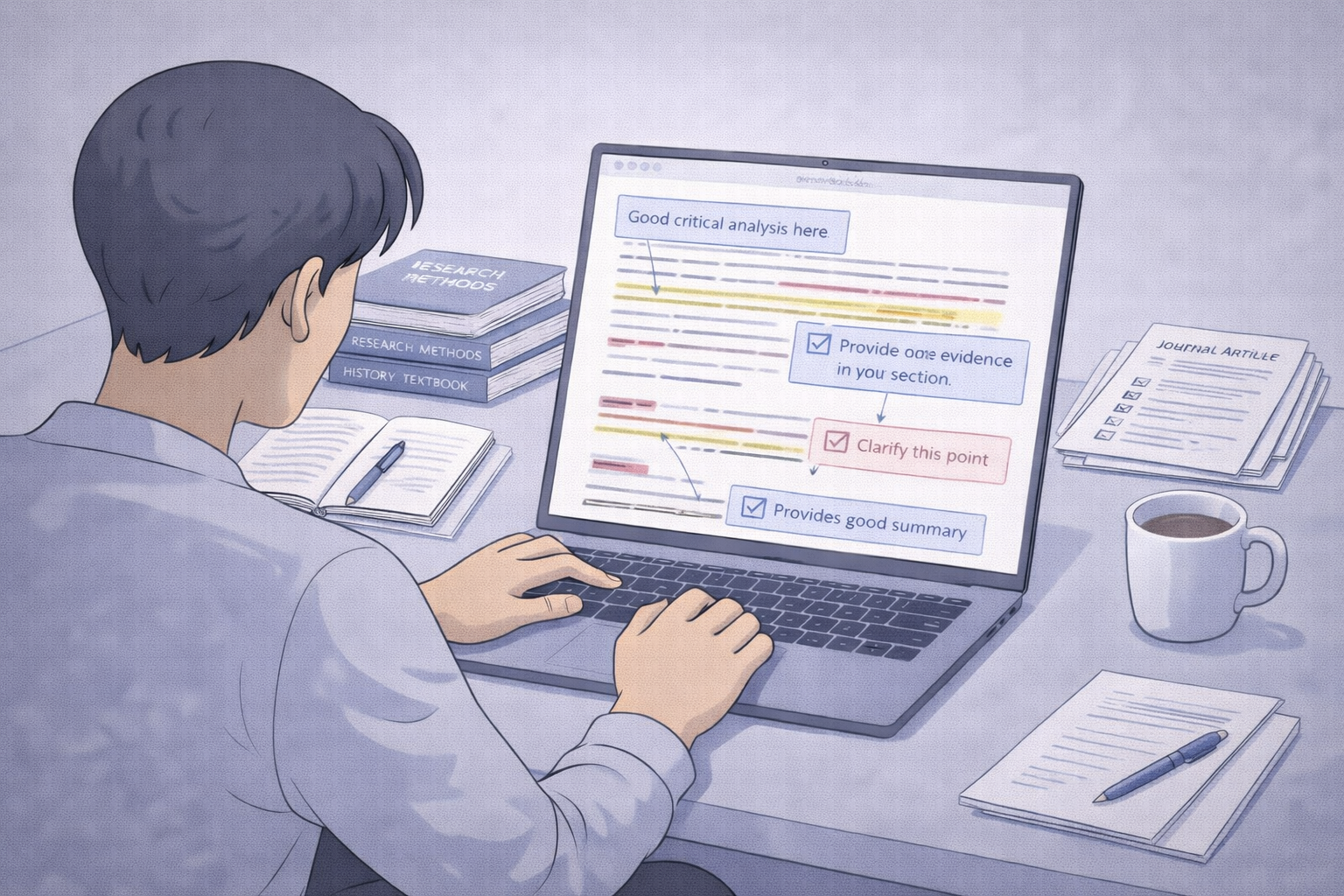
Academic writing at university level demands far more than grammatical accuracy or surface-level knowledge. Students are expected to engage critically with scholarly literature, construct defensible arguments, follow strict methodological conventions, and communicate ideas clearly within discipline-specific frameworks. For many students, these expectations create significant pressure, particularly when deadlines, language barriers, or limited supervision are involved.
Within this context, professional academic writers have become an important form of academic support. However, the role of professional academic writers is often misunderstood. Some students assume they exist to replace academic work, while others are unsure whether working with them is ethically acceptable. This article clarifies who professional academic writers are, what they do, and how students can work with them responsibly and effectively.
Who Professional Academic Writers Are
Professional academic writers are individuals with advanced academic training and experience in scholarly research and writing. Many hold postgraduate or doctoral qualifications and have backgrounds in university teaching, research, or academic publishing.
Their expertise lies not only in writing fluently, but in understanding academic conventions, disciplinary expectations, and assessment criteria. This allows them to provide informed, context-aware support rather than generic writing advice.
Importantly, professional academic writers do not function as substitutes for students. Their role is to guide, refine, and support academic work, not to assume authorship.
Why Students Work With Professional Academic Writers
Students seek professional academic writers for a variety of reasons, most of which relate to structural or procedural challenges rather than a lack of effort or ability. Academic writing is rarely taught explicitly, yet it is heavily assessed.
International students may struggle with academic English, while returning students may feel unfamiliar with current referencing or research standards. Others face time constraints due to employment, caring responsibilities, or overlapping assessments.
Professional academic writers provide targeted support that helps students navigate these challenges more effectively.
What Professional Academic Writers Actually Do
Professional academic writers offer a range of services depending on the student’s needs and the stage of the assignment. Their work typically focuses on structure, clarity, academic tone, and compliance with institutional standards.
They may assist with outlining arguments, improving coherence, refining analysis, or ensuring accurate referencing. In all cases, the student remains responsible for the intellectual content.
This distinction is central to ethical academic support.
Key definition: Professional academic writers support the academic writing process; they do not replace the student as the author.
Common Forms of Support Provided by Professional Academic Writers
The support offered by professional academic writers is often modular rather than comprehensive. Students typically engage them for specific aspects of an assignment.
The table below outlines common areas of support and their academic purpose.
| Support Area | Focus | Academic Purpose |
|---|---|---|
| Essay structuring | Argument flow and organisation | Improving coherence and logic |
| Research guidance | Source selection and synthesis | Strengthening academic grounding |
| Editing and proofreading | Language and clarity | Enhancing academic presentation |
| Referencing support | Citation accuracy | Maintaining academic integrity |
| Feedback and revision | Critical improvement | Responding to assessment criteria |
Each form of support addresses a specific academic need rather than delivering a finished submission.
Professional Academic Writers and Academic Integrity
A common concern is whether working with professional academic writers constitutes academic misconduct. Most universities prohibit submitting work written entirely by someone else.
However, many institutions explicitly permit academic support such as editing, proofreading, and skills-based guidance, provided the student retains authorship and intellectual ownership.
The ethical boundary is defined by transparency, engagement, and responsibility.
Critical warning: Submitting work written by another person as your own is plagiarism, regardless of intent or payment.
How Students Work With Professional Academic Writers Responsibly
Responsible collaboration begins with understanding institutional policies on academic integrity. Students should consult their course handbook or university regulations before engaging external support.
Ethical use also requires active involvement. Feedback should be reviewed critically, revisions should be implemented by the student, and learning should remain central.
For example, structured guidance such as essay writing support focuses on improving argumentation and structure rather than producing a ready-made submission.
The Role of Editing and Proofreading
Editing and proofreading are among the most widely accepted services offered by professional academic writers. Editing improves clarity, coherence, and academic tone, while proofreading addresses grammar, punctuation, and formatting.
These services are particularly valuable at final stages, where minor errors can detract from otherwise strong work.
Specialised proofreading and editing support ensures that presentation quality matches academic effort.
Professional Academic Writers in Research Projects
Research-based assignments and dissertations introduce additional complexity. Students must justify research design, engage critically with literature, and present findings clearly.
Professional academic writers can assist by providing feedback on structure, methodology explanation, and analytical clarity.
For extended projects, structured dissertation writing support offers staged academic guidance aligned with university expectations.
Misconceptions About Professional Academic Writers
One common misconception is that professional academic writers guarantee high grades. In reality, grades depend on the quality of analysis, originality, and alignment with assessment criteria.
Another misconception is that only struggling students seek such support. Many high-performing students use professional feedback to refine complex arguments.
Addressing these misconceptions helps students engage with academic support realistically.
Choosing Reputable Professional Academic Writers
Not all providers operate to the same standards. Reputable professional academic writers emphasise academic integrity, transparency, and student involvement.
Students should avoid services that promise guaranteed grades or encourage submission without engagement.
Clear explanations of scope, limitations, and ethical boundaries indicate credibility.
How Professional Academic Writers Support Skill Development
When used appropriately, professional academic writers contribute to long-term academic development. Students gain insight into scholarly conventions, effective argumentation, and disciplinary expectations.
Over time, this support can increase confidence and independence, particularly for students transitioning to higher levels of study.
In this way, professional academic writers function as educational resources rather than shortcuts.
Working With Professional Academic Writers Ethically and Effectively
Professional academic writers occupy a legitimate role within higher education when used responsibly. They respond to real challenges faced by students navigating complex academic systems.
By maintaining authorship, engaging actively with feedback, and respecting institutional rules, students can work with professional academic writers to strengthen both their assignments and their academic skills.
Informed, ethical collaboration ensures academic support enhances learning rather than undermines integrity.


Comments