
Academic writing is assessed not only on ideas and research quality but also on clarity, structure, and language precision. Even strong arguments can lose marks if grammatical errors, unclear phrasing, or weak organisation distract the reader. For this reason, many learners rely on a proofreading and editing service for students to refine their work before submission.
Unlike writing support that focuses on content creation, proofreading and editing target the quality of existing text. These services help students communicate their ideas more effectively while preserving academic integrity. This article explains what proofreading and editing involve, how they differ, and how students can use them responsibly.
What a Proofreading and Editing Service for Students Involves
A proofreading and editing service focuses on improving the technical and stylistic quality of academic work. The goal is to enhance readability and correctness without changing the student’s meaning, argument, or academic voice.
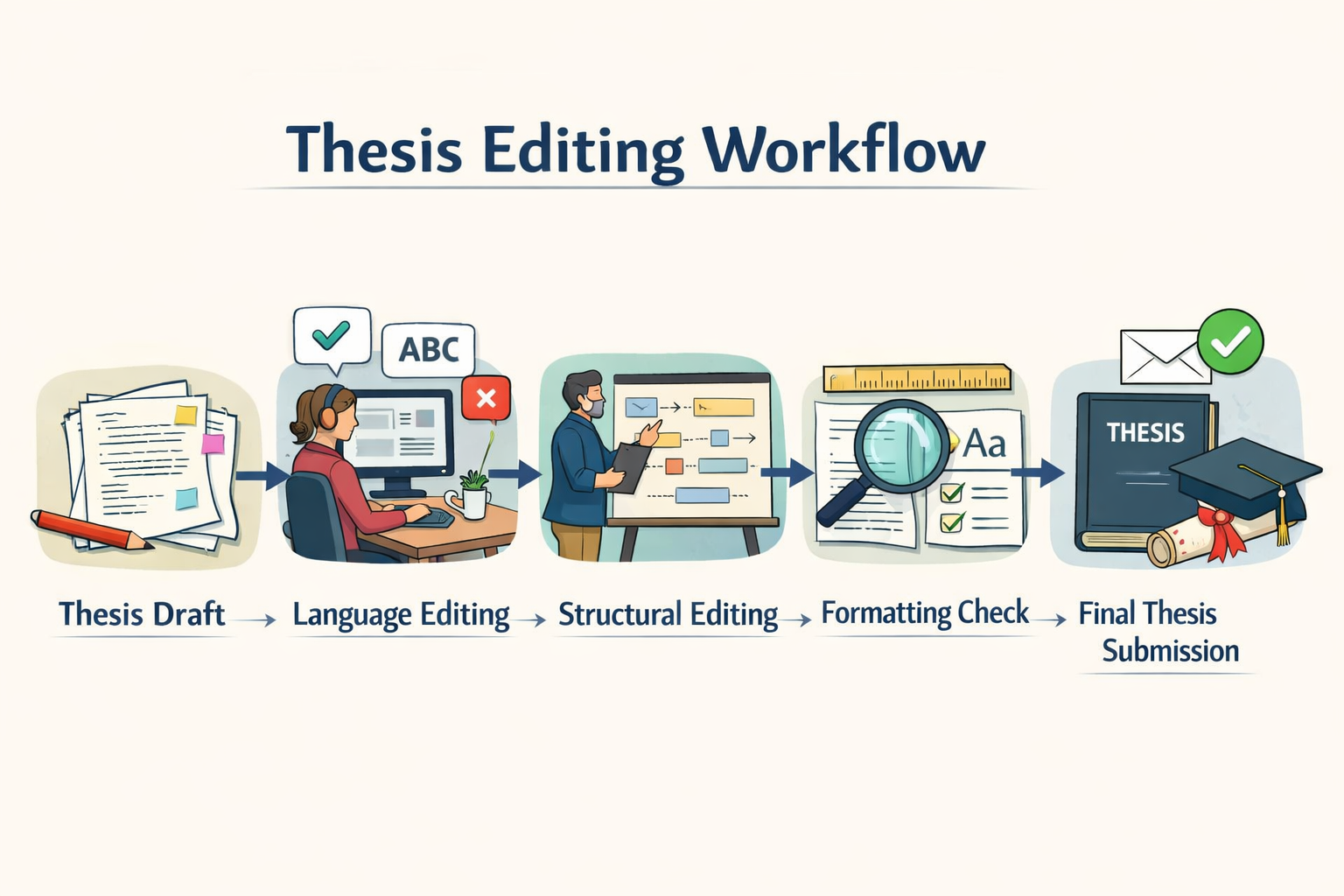
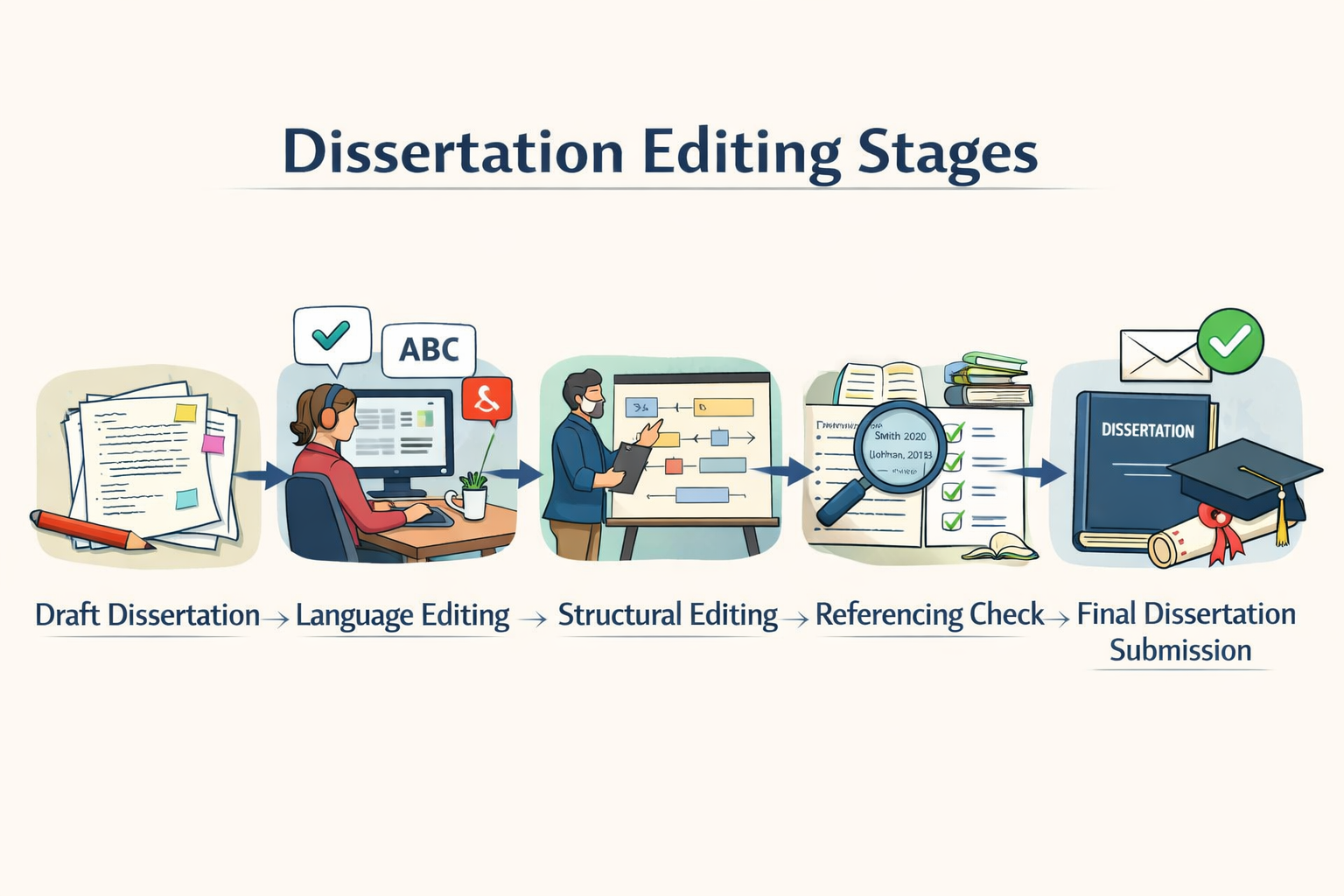
Proofreading typically occurs at the final stage of writing, while editing may be applied earlier to improve structure and coherence. Together, these processes ensure that academic standards are met.
Definition: Proofreading and editing improve clarity, accuracy, and presentation while preserving original academic content.
Why Students Use Proofreading and Editing Services
Students often write under time pressure and may struggle to identify errors in their own work. Familiarity with the text makes it difficult to notice mistakes that an external reader can immediately detect.
Language proficiency also plays a role. International students or those writing in a second language frequently use editing support to ensure grammatical accuracy and academic tone.
- Eliminating grammar and spelling errors
- Improving sentence flow and clarity
- Ensuring consistency in academic style
- Reducing the risk of misinterpretation
These benefits explain the widespread use of proofreading and editing services across disciplines.
The Difference Between Proofreading and Editing
Although often grouped together, proofreading and editing serve distinct academic functions. Understanding this difference helps students choose the appropriate level of support.
Proofreading focuses on surface-level errors, while editing addresses clarity and organisation at the sentence and paragraph level.
| Aspect | Proofreading | Editing |
|---|---|---|
| Focus | Grammar, spelling, punctuation | Clarity, flow, coherence |
| Timing | Final draft stage | Earlier drafting stages |
| Content changes | None | Minimal restructuring |
Both processes complement each other when applied appropriately.
Academic Integrity and Ethical Use
Universities generally allow proofreading and editing support as long as it does not involve rewriting content or introducing new ideas. Ethical use requires that students remain the original authors of their work.
Students should review institutional policies before using editing services to ensure compliance with academic regulations.
Examiner expectation: Edited work must reflect the student’s own thinking and academic understanding.
Critical warning: Excessive editing that alters meaning may be considered academic misconduct.
What Proofreading and Editing Services Do Not Do
Proofreading and editing services do not generate content, conduct research, or construct arguments. Their purpose is refinement, not creation.
Students remain responsible for accuracy of information, strength of analysis, and academic referencing.
Types of Academic Documents Students Edit
Editing services are used across a wide range of academic texts. Each document type presents unique challenges related to structure and discipline-specific conventions.
- Essays and coursework assignments
- Research proposals
- Dissertations and theses
- Lab reports and case studies
Tailoring editing to document type is essential for academic success.
Editing Expectations Across Academic Levels
The depth and focus of editing vary depending on the level of study. Undergraduate work prioritises clarity, while postgraduate writing demands precision and scholarly tone.
| Level | Primary Editing Focus |
|---|---|
| Undergraduate | Grammar, structure, clarity |
| Master’s | Academic tone and coherence |
| Doctoral | Precision, consistency, scholarly style |
Understanding these expectations helps students request appropriate support.
Common Errors Addressed Through Proofreading
Proofreading identifies recurring errors that weaken academic credibility. Many of these issues are minor individually but damaging collectively.
Professional proofreaders are trained to spot patterns students often overlook.
- Sentence fragments and run-on sentences
- Incorrect verb tense usage
- Inconsistent terminology
- Punctuation errors affecting meaning
Correcting these errors improves readability and examiner confidence.
When Students Should Seek Proofreading and Editing Help
Proofreading and editing are most effective when applied after content development is complete. Submitting an early draft limits the value of surface-level corrections.
Students should allow sufficient time between editing and submission to review changes and retain ownership of their work.
How Students Benefit Academically
Beyond improving grades, proofreading and editing services help students learn by example. Reviewing corrections enhances language awareness and writing skills.
Over time, this feedback reduces recurring errors and builds academic confidence.
Final Guidance on Proofreading and Editing Services for Students
A proofreading and editing service for students is a legitimate academic support tool when used ethically and thoughtfully. It helps ensure that strong ideas are communicated clearly and professionally.
Students who actively engage with feedback and understand their revised work gain both immediate assessment benefits and long-term academic skills.

Comments