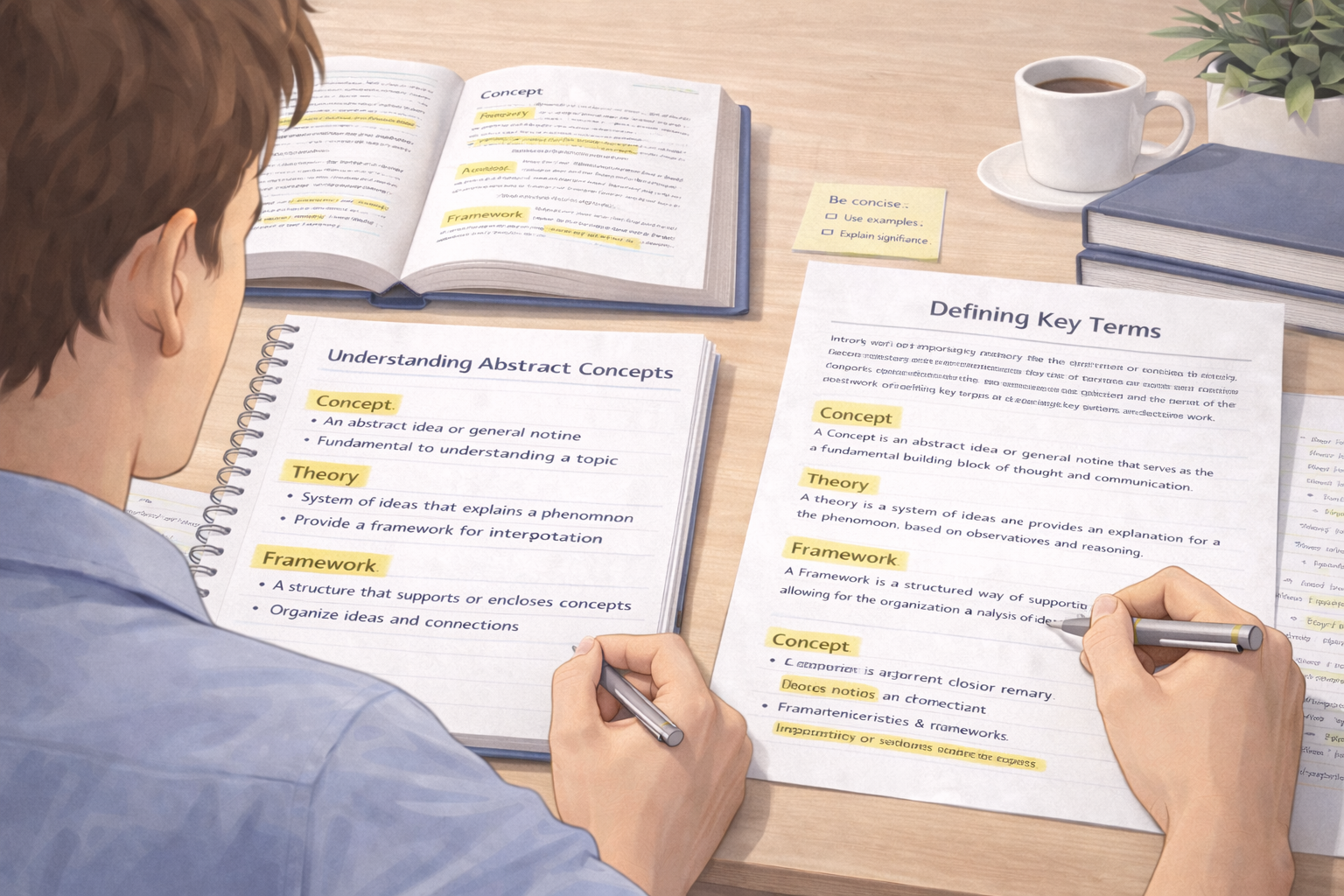
A synthesis essay outline is an essential planning tool that helps students organise ideas, sources, and arguments before drafting a full academic paper. In higher education, synthesis essays are frequently assigned to assess a student’s ability to combine information from multiple texts and present a unified explanation or argument. Without a clear outline, students often struggle to integrate sources logically, leading to disjointed or overly descriptive writing.
Using a structured synthesis essay outline allows students to move systematically from broad understanding to focused analysis. It ensures that each paragraph contributes meaningfully to the central thesis and that sources are connected rather than listed. This guide explains the core components of a synthesis essay outline and how to use them effectively in academic writing.
Purpose of a Synthesis Essay Outline
The primary purpose of a synthesis essay outline is to establish a logical framework for integrating multiple sources around a single controlling idea. Unlike outlines for narrative or descriptive essays, a synthesis outline must explicitly account for how different texts relate to one another. This planning stage encourages analytical thinking before writing begins.
An effective outline also supports academic coherence. By mapping out claims, evidence, and relationships in advance, students reduce the risk of repetition, weak transitions, or unsupported assertions. In university contexts, this level of organisation aligns closely with assessment criteria related to structure and critical engagement.
Core Structure of a Synthesis Essay Outline
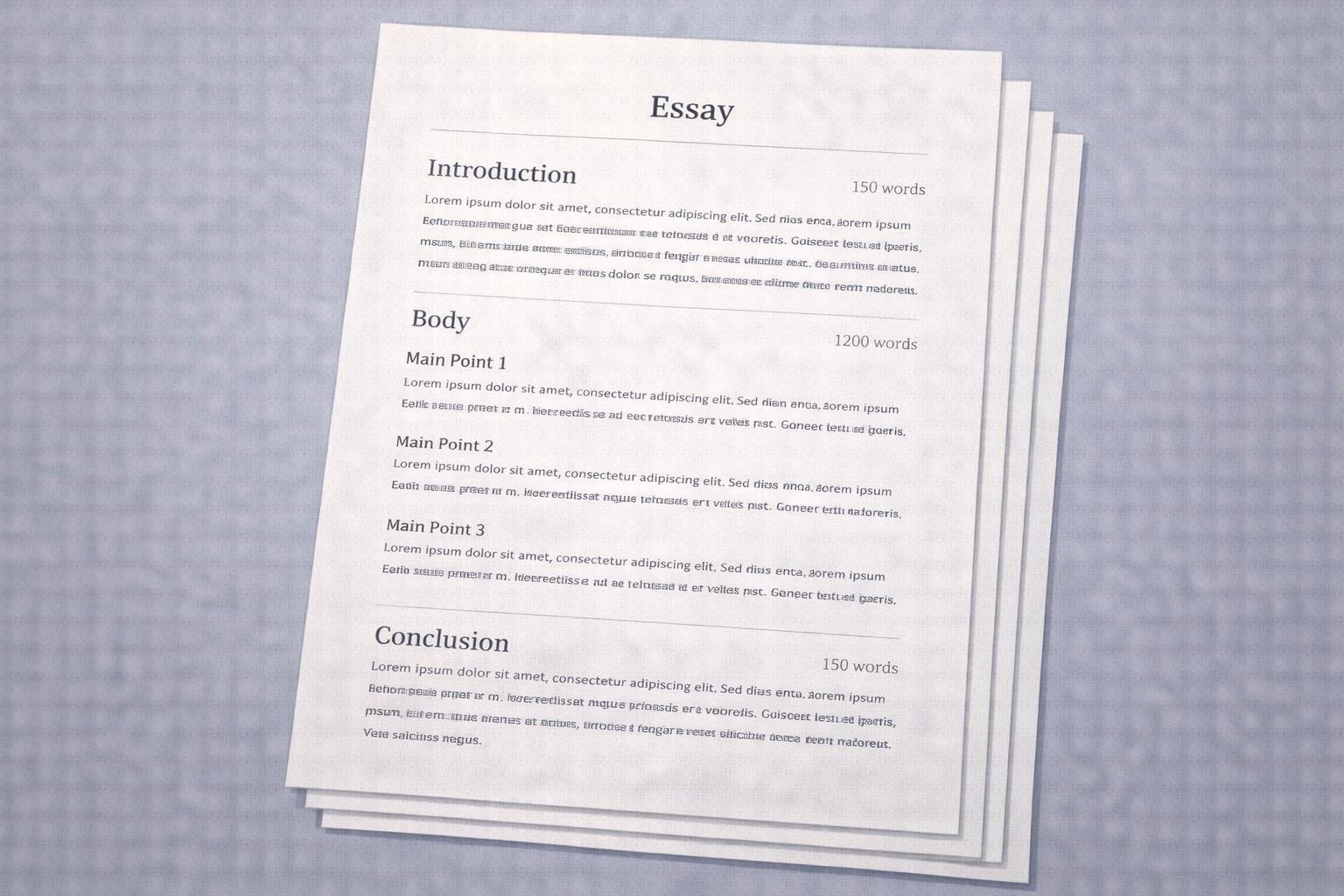
Most synthesis essay outlines follow the conventional academic structure of introduction, body sections, and conclusion. However, the emphasis within each section is distinct because the goal is synthesis rather than summary or persuasion alone. Each part of the outline must explicitly reference source integration.
| Section | Outline Focus | Key Elements |
|---|---|---|
| Introduction | Establish context and thesis | Background, topic framing, synthesis thesis |
| Body Sections | Integrate and analyse sources | Thematic points, source comparison, interpretation |
| Conclusion | Consolidate synthesis | Restated thesis, implications, overall insight |
This structural overview provides a foundation, but the effectiveness of a synthesis essay depends on how well each section is developed and connected.
Introduction Section in a Synthesis Essay Outline
The introduction of a synthesis essay outline should begin with contextual information that frames the topic and highlights why multiple perspectives are necessary. At this stage, students identify the broader academic conversation rather than focusing on individual sources in detail.
The introduction outline must culminate in a clear synthesis thesis. This thesis does not simply state an opinion; instead, it signals how different sources will be brought together to explain, interpret, or resolve an issue. A strong thesis guides the organisation of all subsequent sections.
A synthesis thesis should indicate relationships between sources, not just a stance on the topic.
Body Paragraph Organisation: Thematic Synthesis
Body sections in a synthesis essay outline are usually organised thematically rather than by source. Each section should represent a key idea or pattern that emerges across multiple texts. This approach prevents the essay from becoming a series of isolated summaries.
Within the outline, each body section should include: the main claim, the sources that contribute to that claim, and a brief note explaining how those sources relate to one another. This ensures that synthesis is intentional rather than incidental.
Example of a Thematic Body Section Outline
A body section outline might include:
- Main idea or theme (e.g., impact of technology on learning)
- Source A: key finding or argument
- Source B: supporting or contrasting perspective
- Synthesis note explaining connection or tension
By planning body sections this way, students maintain analytical focus and avoid repeating similar points across paragraphs.
Managing Source Integration in the Outline
One of the most challenging aspects of synthesis writing is balancing multiple sources without overloading the essay. A well-designed outline helps students decide where each source is most relevant and how often it should appear. This prevents over-reliance on a single text.
At the outline stage, students should also note whether sources complement, extend, or contradict one another. Explicitly identifying these relationships strengthens analytical depth and prepares students to address complexity in the final draft.
Conclusion Planning in a Synthesis Essay Outline
The conclusion section of a synthesis essay outline should focus on consolidation rather than repetition. Students should plan to restate the thesis in light of the integrated discussion and emphasise the broader implications of the synthesis.
In academic contexts, strong conclusions often suggest why the synthesis matters — for example, how it contributes to understanding a debate, informs practice, or highlights areas for further research. Including this intention in the outline helps avoid abrupt or superficial endings.
Common Outline Mistakes to Avoid
Students frequently make the mistake of organising synthesis essays by source instead of by idea. This leads to outlines that resemble annotated bibliographies rather than analytical essays. Another common error is writing vague outline points that do not specify how sources will be connected.
To avoid these issues, outlines should always include brief synthesis notes explaining the relationship between sources. This extra step ensures that the final essay demonstrates integration rather than accumulation of information.
Using the Outline as a Writing Roadmap
A synthesis essay outline should function as a flexible roadmap rather than a rigid script. As students draft and revise, they may refine themes or adjust source placement. However, starting with a detailed outline significantly reduces structural problems later in the writing process.
In university-level writing, where clarity, coherence, and critical thinking are assessed rigorously, a strong synthesis essay outline is not optional — it is a strategic academic tool.
Final Academic Guidance
Developing a synthesis essay outline trains students to think relationally about sources and ideas. This skill extends beyond individual assignments and supports advanced academic tasks such as literature reviews and research projects.
By approaching synthesis with a structured outline, students can produce essays that are analytically rigorous, logically organised, and aligned with university expectations.

Comments