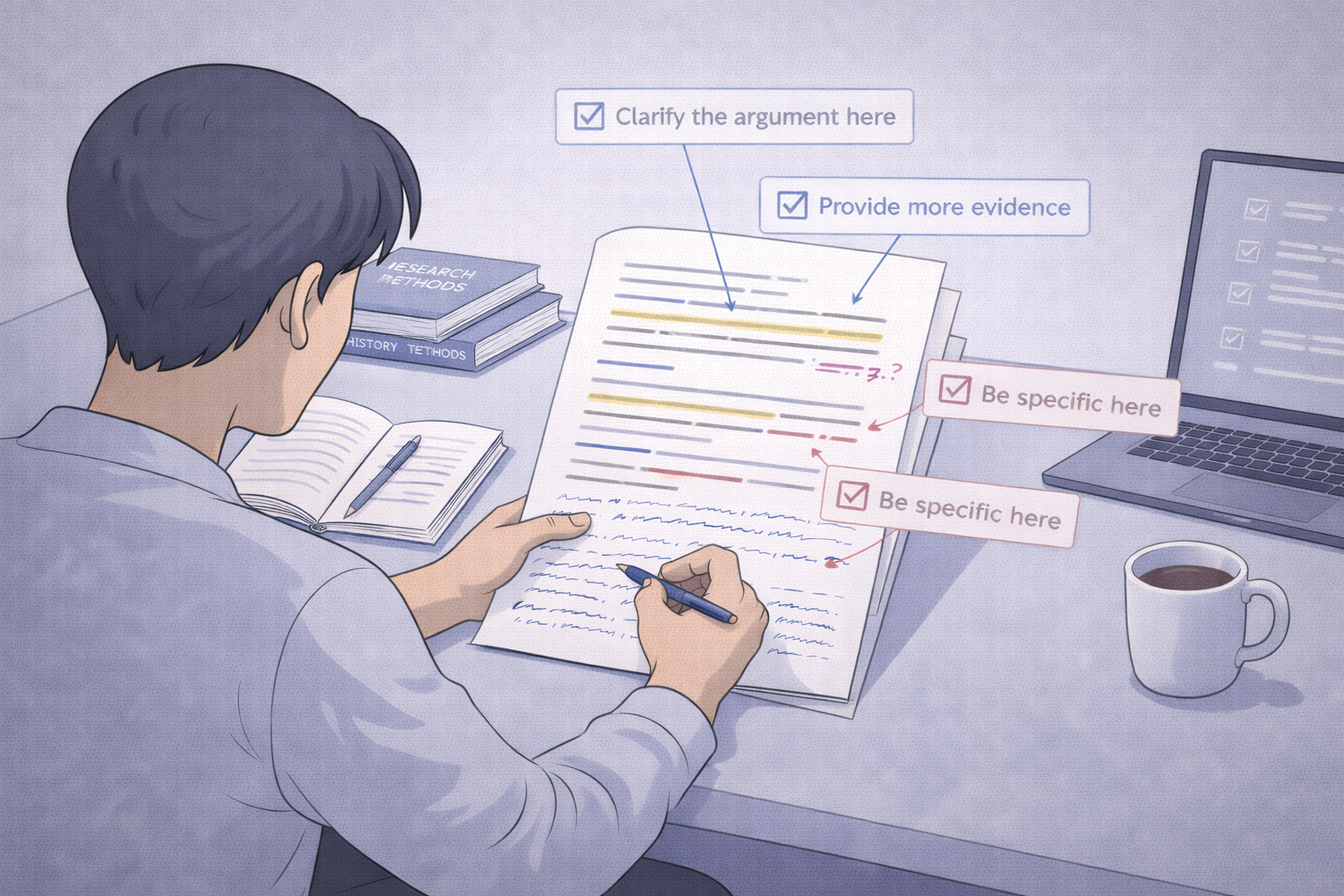
Academic writing is one of the most demanding aspects of university study. Beyond understanding course content, students are expected to communicate ideas with precision, structure arguments logically, engage critically with scholarly sources, and follow strict disciplinary conventions. These expectations intensify as students progress from undergraduate coursework to postgraduate research.
In response to these pressures, academic writing assistance has become an increasingly common form of academic support. Yet the term is often misunderstood, sometimes associated with shortcuts or ethical concerns rather than learning-oriented guidance. This article clarifies what academic writing assistance actually means, how it functions in practice, and how students can use it responsibly to strengthen their academic work.
What Academic Writing Assistance Means in Higher Education
Academic writing assistance refers to structured support designed to help students improve the quality, clarity, and academic rigor of their written work. Rather than focusing solely on producing text, it addresses the processes that underpin effective academic writing.
This form of assistance may involve feedback on argumentation, guidance on structure, help with academic style, or support with referencing and source integration. The defining feature is that the student remains intellectually responsible for the work.
Academic writing assistance is therefore best understood as a learning resource rather than a substitute for student effort.
Core principle: Academic writing assistance supports how students write, not what they think.
Why Academic Writing Is Challenging for Many Students
Many students struggle with academic writing not because they lack understanding of the subject, but because academic conventions are rarely intuitive. Expectations around tone, evidence use, and argument structure differ significantly from everyday writing.
International students may face additional challenges related to academic English, while mature students returning to study often need to reacclimatise to scholarly conventions.
Academic writing assistance exists to bridge these gaps, offering guidance where formal teaching time is limited.
Common Forms of Academic Writing Assistance
Academic writing assistance is not a single service but a spectrum of support options. These vary in depth and purpose depending on student needs and institutional expectations.
Understanding these forms helps students choose appropriate support without crossing ethical boundaries.
Typical Types of Academic Writing Assistance
The table below outlines common forms of academic writing assistance and their academic focus.
| Type of assistance | Main focus | Academic benefit |
|---|---|---|
| Structural feedback | Essay or chapter organisation | Improved coherence and flow |
| Language editing | Clarity and academic tone | Clearer scholarly expression |
| Referencing support | Citation accuracy and consistency | Reduced technical errors |
| Argument development | Logic and critical engagement | Stronger analytical depth |
| Feedback and review | Overall academic quality | Alignment with marking criteria |
Each form targets a different dimension of academic writing rather than content ownership.
Academic Writing Assistance vs. Writing for Students
A critical distinction exists between academic writing assistance and having work written on a student’s behalf. Universities generally prohibit the latter, as it undermines assessment integrity.
Academic writing assistance, by contrast, focuses on feedback, improvement, and guidance. The student remains responsible for the final submission.
Misunderstanding this distinction often leads to unnecessary anxiety or misuse of services.
Examiner warning: Submitting work authored by another person is academic misconduct, even if guidance was requested.
How Academic Writing Assistance Supports Learning
When used appropriately, academic writing assistance contributes directly to skill development. Students learn how to structure arguments, integrate sources, and write with greater clarity.
Over time, this support reduces dependence on external help as students internalise academic conventions.
This developmental role distinguishes academic writing assistance from transactional services.
Using Academic Writing Assistance Ethically
Ethical use of academic writing assistance requires transparency and engagement. Students should treat feedback as a learning tool rather than a final product.
Actively revising work, questioning suggestions, and reflecting on feedback ensures that learning remains central.
Many universities explicitly allow editing, feedback, and guidance when properly acknowledged.
Academic Writing Assistance Across Different Levels of Study
The nature of academic writing assistance changes across educational stages. Undergraduate students often focus on structure and basic argumentation, while postgraduate students require deeper analytical and methodological support.
Doctoral-level writing assistance frequently centres on clarity, coherence, and consistency rather than foundational skills.
Tailored support recognises these evolving academic demands.
Academic Writing Assistance for Essays and Coursework
For coursework-based assessments, academic writing assistance often focuses on meeting marking criteria and demonstrating critical engagement.
Support may include reviewing essay drafts, refining thesis statements, or improving paragraph cohesion.
Structured essay writing support helps students align their work with assessment expectations.
Academic Writing Assistance in Research Projects
Extended research projects introduce additional complexity, including literature synthesis, methodology explanation, and sustained argumentation.
Academic writing assistance in this context supports clarity and logical progression rather than research design itself.
Students undertaking large projects often benefit from staged feedback rather than one-off review.
The Role of Editing and Proofreading in Academic Writing Assistance
Editing and proofreading are integral components of academic writing assistance, particularly for students confident in their ideas but less certain about expression.
Editing addresses structure and clarity, while proofreading focuses on grammar, punctuation, and formatting accuracy.
Professional editing and proofreading services help ensure presentation quality reflects intellectual effort.
Academic Writing Assistance and Disciplinary Expectations
Different disciplines impose distinct writing conventions. Humanities essays may prioritise theoretical discussion, while science-based assignments emphasise precision and method.
Business and management writing often requires applied analysis and evidence-based recommendations.
Effective academic writing assistance adapts to these disciplinary norms rather than imposing a generic style.
Evaluating Academic Writing Assistance Providers
Not all providers operate with the same academic standards. Reputable services emphasise ethical boundaries, learning outcomes, and student responsibility.
Students should be cautious of guarantees related to grades or promises to bypass institutional rules.
Clear explanations of scope and limitations signal academic credibility.
Common Misconceptions About Academic Writing Assistance
A frequent misconception is that seeking assistance indicates weakness. In reality, academic writing is a learned skill, and seeking feedback is a standard scholarly practice.
Another misconception is that assistance replaces effort. Effective use requires engagement and revision.
Clarifying these misconceptions helps normalise responsible support-seeking.
Academic Writing Assistance as Part of Academic Development
Academic writing assistance is most valuable when integrated into a student’s broader learning strategy. It complements lectures, supervision, and independent study.
Through repeated feedback and refinement, students develop confidence and academic independence.
The long-term benefit lies in skill acquisition rather than immediate performance.
Making Informed Use of Academic Writing Assistance
Academic writing assistance reflects the complexity of modern higher education rather than a failure of ability. Writing well at university requires practice, feedback, and reflection.
When used ethically and actively, academic writing assistance strengthens communication, clarity, and scholarly engagement.
Informed use ensures that assistance supports learning outcomes while preserving academic integrity.

Comments