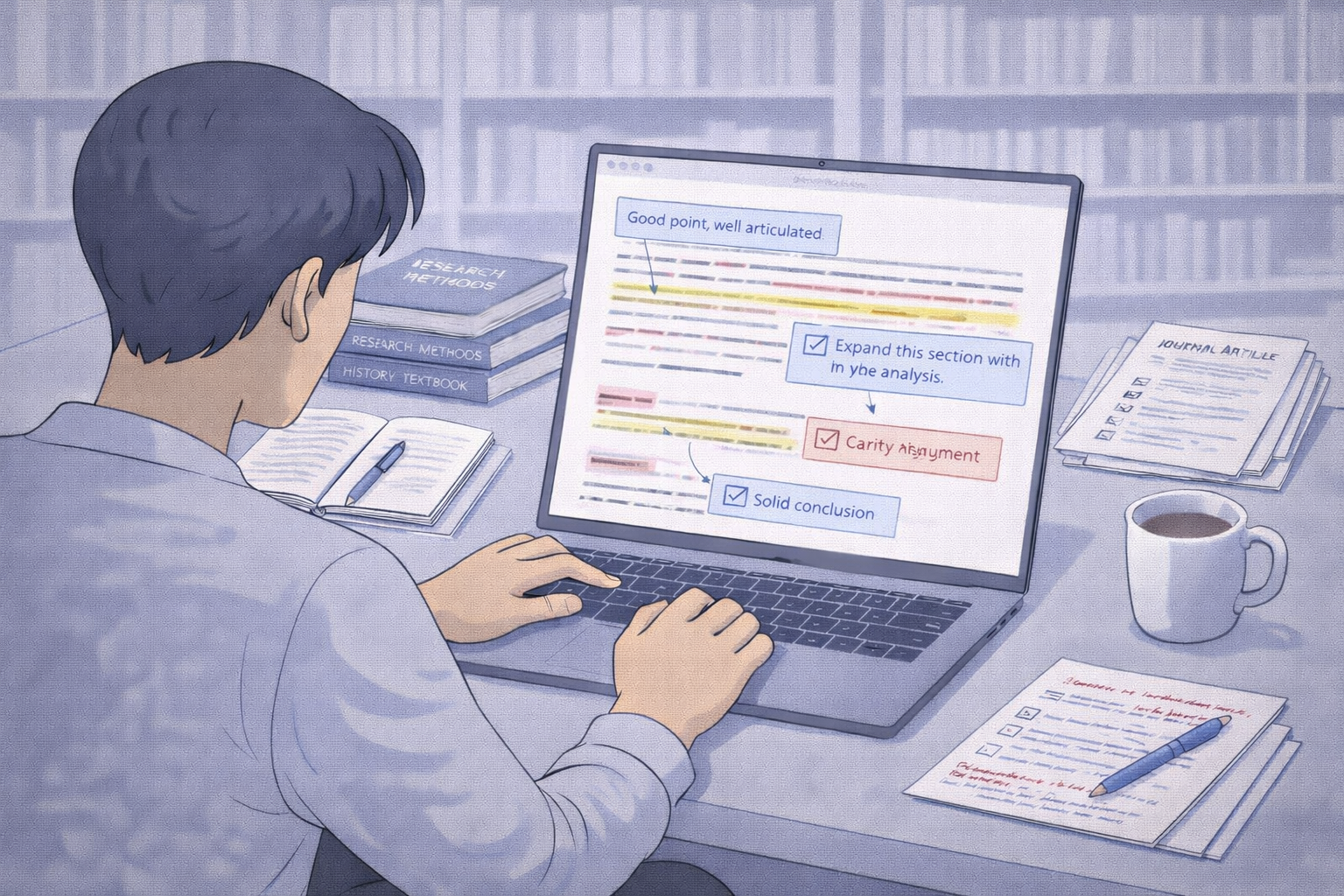
Academic writing has become increasingly complex across universities and colleges. Students are expected to demonstrate not only subject knowledge, but also critical thinking, methodological awareness, academic integrity, and precise adherence to institutional guidelines. Within this context, academic writing services have emerged as a structured form of academic support rather than a shortcut around academic work.
Despite their widespread use, academic writing services are often misunderstood. Some students associate them with plagiarism or academic dishonesty, while others assume they guarantee high grades. In reality, legitimate academic writing services operate within clear ethical boundaries and focus on supporting learning, clarity, and academic development. This article explains what academic writing services are, what they are not, and how students can use them responsibly.
Why Academic Writing Services Exist in Higher Education
University-level writing places demands on students that extend far beyond basic composition skills. Assignments often require engagement with scholarly sources, formal argumentation, discipline-specific conventions, and strict formatting requirements.
Many students enter higher education without extensive training in academic writing. International students, returning learners, and those transitioning from coursework to independent research may find these expectations particularly challenging.
Academic writing services exist to bridge this gap by offering structured guidance, feedback, and technical support that complements institutional teaching.
What Academic Writing Services Actually Provide
Academic writing services do not function as a single, uniform offering. Instead, they consist of a range of support options that address different stages of the writing process.
At their core, these services aim to improve clarity, structure, argumentation, and compliance with academic standards. The student remains responsible for the ideas, research, and final submission.
Understanding the scope of these services helps students make informed and ethical decisions.
Key principle: Academic writing services support the writing process; they do not replace the student as the author.
Common Types of Academic Writing Services
Academic writing services typically fall into several well-defined categories. Each serves a different academic purpose and carries different ethical considerations.
The table below outlines the most common forms of academic writing support and their intended function.
| Service Type | Focus Area | Typical Use |
|---|---|---|
| Essay writing support | Structure and argument development | Draft guidance and revision |
| Research assistance | Source selection and synthesis | Improving literature engagement |
| Editing and proofreading | Language, clarity, and accuracy | Final-stage refinement |
| Formatting and referencing | Style guide compliance | Technical correction |
| Dissertation support | Extended research projects | Ongoing academic guidance |
This variety reflects the fact that academic writing difficulties are rarely limited to a single aspect of an assignment.
Academic Writing Services vs Academic Misconduct
One of the most important distinctions students must understand is the difference between legitimate academic writing services and academic misconduct. Universities generally prohibit submitting work written entirely by another person.
However, many institutions explicitly allow editing, proofreading, and academic skills support, provided the intellectual content remains the student’s own.
Problems arise when students misunderstand these boundaries or when services fail to communicate them clearly.
Critical warning: Submitting work produced by someone else as your own constitutes plagiarism, even if the service was paid.
How Students Use Academic Writing Services Responsibly
Responsible use of academic writing services begins with transparency. Students should review their university’s academic integrity policy and understand what forms of assistance are permitted.
Ethical use also requires active engagement. Feedback should be reviewed critically, revisions should be made by the student, and learning should be the primary outcome.
For example, structured support such as essay writing assistance focuses on improving coherence and argumentation rather than producing a finished submission.
The Role of Editing and Proofreading in Academic Writing
Editing and proofreading are among the most widely accepted academic writing services. These services address clarity, grammar, consistency, and academic tone.
Editing may involve sentence restructuring and stylistic improvement, while proofreading focuses on surface-level errors such as spelling, punctuation, and formatting.
Specialised proofreading and editing services are particularly valuable for final submissions, where small errors can negatively affect grades.
Academic Writing Services Across Different Levels of Study
The nature of academic writing support varies depending on the level of study. Undergraduate students often require help understanding structure, citation practices, and basic academic conventions.
Postgraduate students, by contrast, face higher expectations for originality, critical depth, and methodological rigour. As a result, their use of academic writing services tends to be more specialised.
In both cases, the ethical framework remains the same: support should enhance learning rather than replace it.
Academic Writing Services and Research-Based Assignments
Research-based assignments introduce additional complexity, including literature reviews, data analysis, and methodological justification. Academic writing services can help students navigate these demands.
Support may include feedback on research questions, guidance on structuring literature reviews, or assistance with presenting findings clearly.
For extended projects, services such as dissertation writing support offer staged guidance aligned with academic expectations.
Misconceptions About Academic Writing Services
A common misconception is that academic writing services guarantee high grades. In reality, grades depend on the quality of ideas, evidence, and critical thinking demonstrated by the student.
Another misconception is that only struggling students use these services. Many high-achieving students use academic support proactively to refine and polish their work.
Recognising these misconceptions helps students approach academic writing services with realistic expectations.
Choosing a Reputable Academic Writing Service
Not all academic writing services operate to the same standard. Reputable providers emphasise academic integrity, transparency, and student involvement.
Students should look for services that clearly explain their scope, avoid unrealistic guarantees, and encourage learning rather than dependency.
Clear communication and ethical boundaries are indicators of a credible academic writing service.
How Academic Writing Services Support Skill Development
When used appropriately, academic writing services can contribute to long-term skill development. Students gain insight into academic conventions, argument structure, and effective scholarly communication.
Over time, this support can increase confidence and independence, particularly for students transitioning to higher levels of study.
In this sense, academic writing services function as educational resources rather than substitutes for academic effort.
Using Academic Writing Services with Confidence and Integrity
Academic writing services occupy a legitimate place within higher education when used responsibly. They respond to real challenges faced by students working within demanding academic systems.
By maintaining authorship, engaging actively with feedback, and respecting institutional rules, students can use these services to strengthen both their work and their academic skills.
Ultimately, informed and ethical use ensures that academic writing services support learning rather than undermine it.

Comments