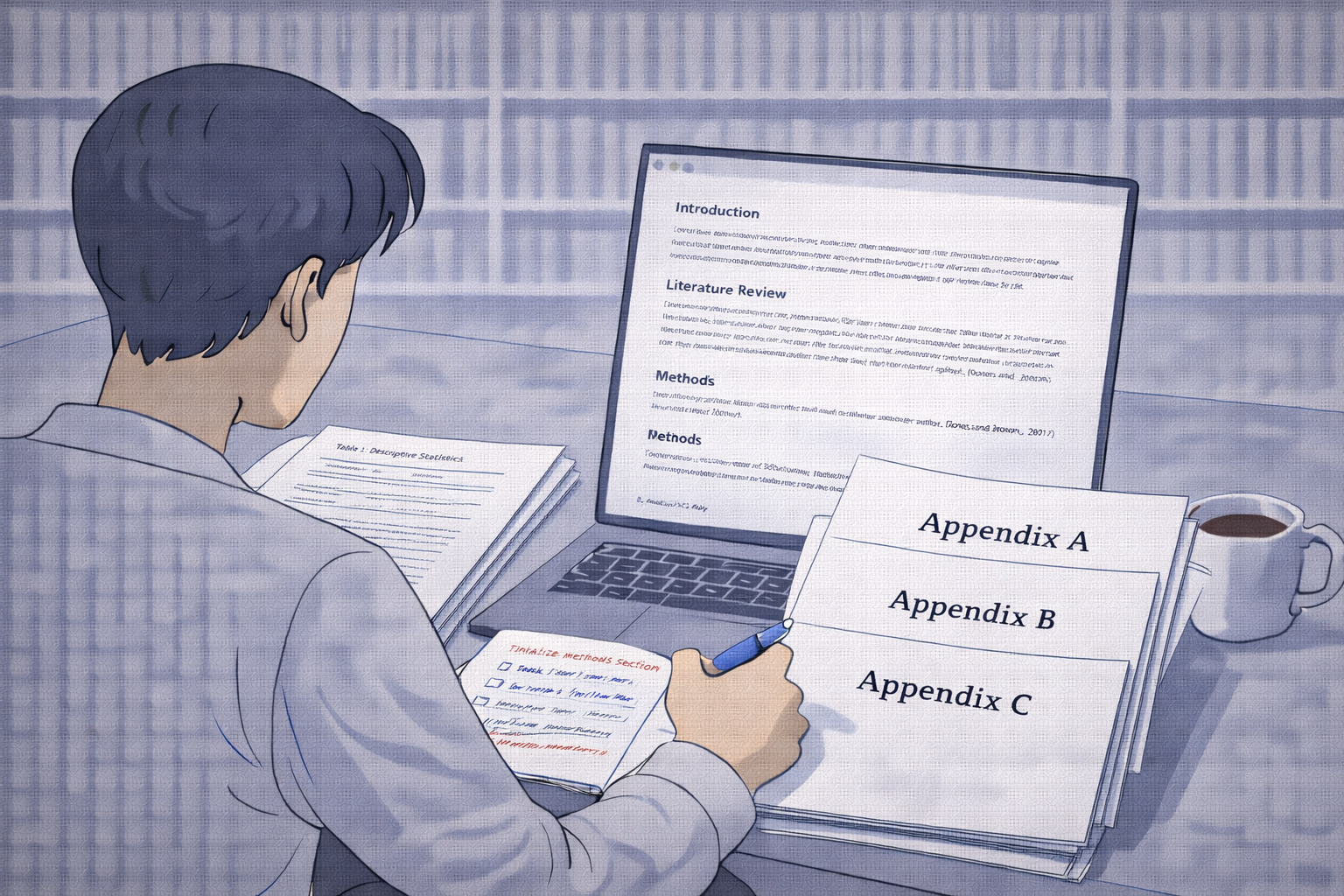
In academic writing, clarity and structure are not limited to the main body of an assignment. Appendices play a crucial supporting role by housing supplementary material that strengthens an argument without overloading the core discussion. Despite their importance, appendices are one of the most commonly mishandled sections of student work, particularly in relation to labelling, ordering, and referencing. Incorrect appendix labelling can create confusion for examiners and, in some cases, lead to unnecessary loss of marks.
Appendix labelling rules exist to ensure that additional material is presented consistently, transparently, and in a way that supports academic integrity. Students often struggle with questions such as whether to use letters or numbers, how to title appendices, and how to refer to them correctly in the main text. This article addresses those challenges directly, providing a comprehensive explanation of appendix labelling rules and how to apply them correctly across different types of university assignments.
Understanding the Academic Purpose of Appendices
An appendix is designed to contain material that is relevant but not essential to the immediate flow of the main argument. Typical appendix content includes extended data tables, survey instruments, interview transcripts, technical calculations, or detailed policy documents. The key principle is that the main text should remain fully coherent without the appendix, while the appendix offers depth and transparency for readers who wish to examine the supporting material in detail.
From an examiner’s perspective, appendices demonstrate methodological rigour and ethical transparency. However, they are assessed indirectly. Examiners rarely read appendices line by line unless prompted by clear references in the main text. This is why correct labelling is not a cosmetic detail but a functional requirement: it signals relevance, allows efficient navigation, and shows that the student understands academic conventions.
Appendix labelling rules also protect students from overloading the core word count. Most universities exclude appendices from the word limit, but only when they are used appropriately and labelled correctly. Mislabelled or poorly integrated appendices may be disregarded entirely, undermining the evidence base of the assignment.
Standard Appendix Labelling Conventions Explained
Across most disciplines and referencing styles, appendices are labelled using capital letters rather than numbers. The conventional sequence is Appendix A, Appendix B, Appendix C, and so on. Each appendix should contain one coherent type of material rather than a mixture of unrelated documents. This separation improves readability and reinforces the logical organisation of supplementary content.
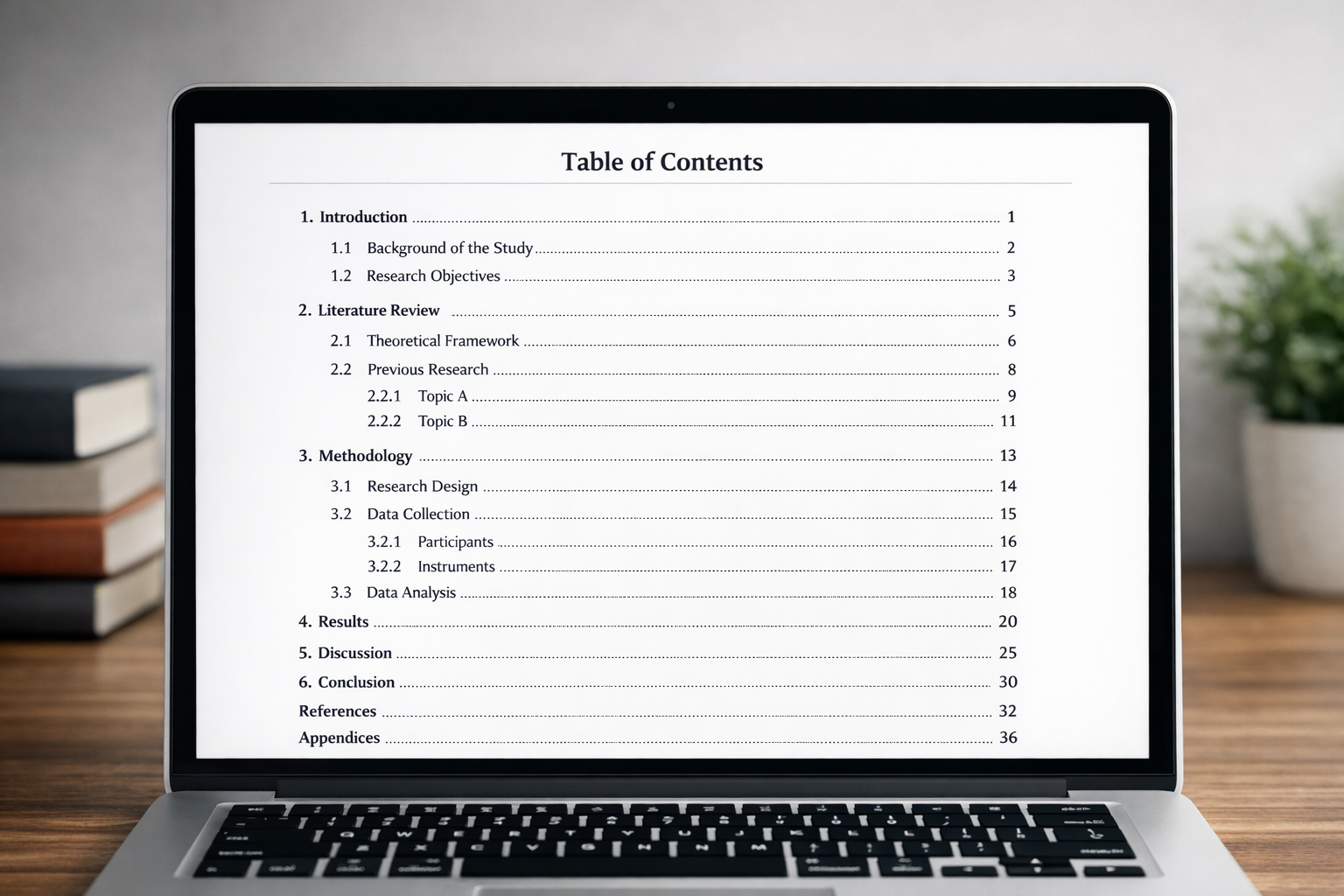
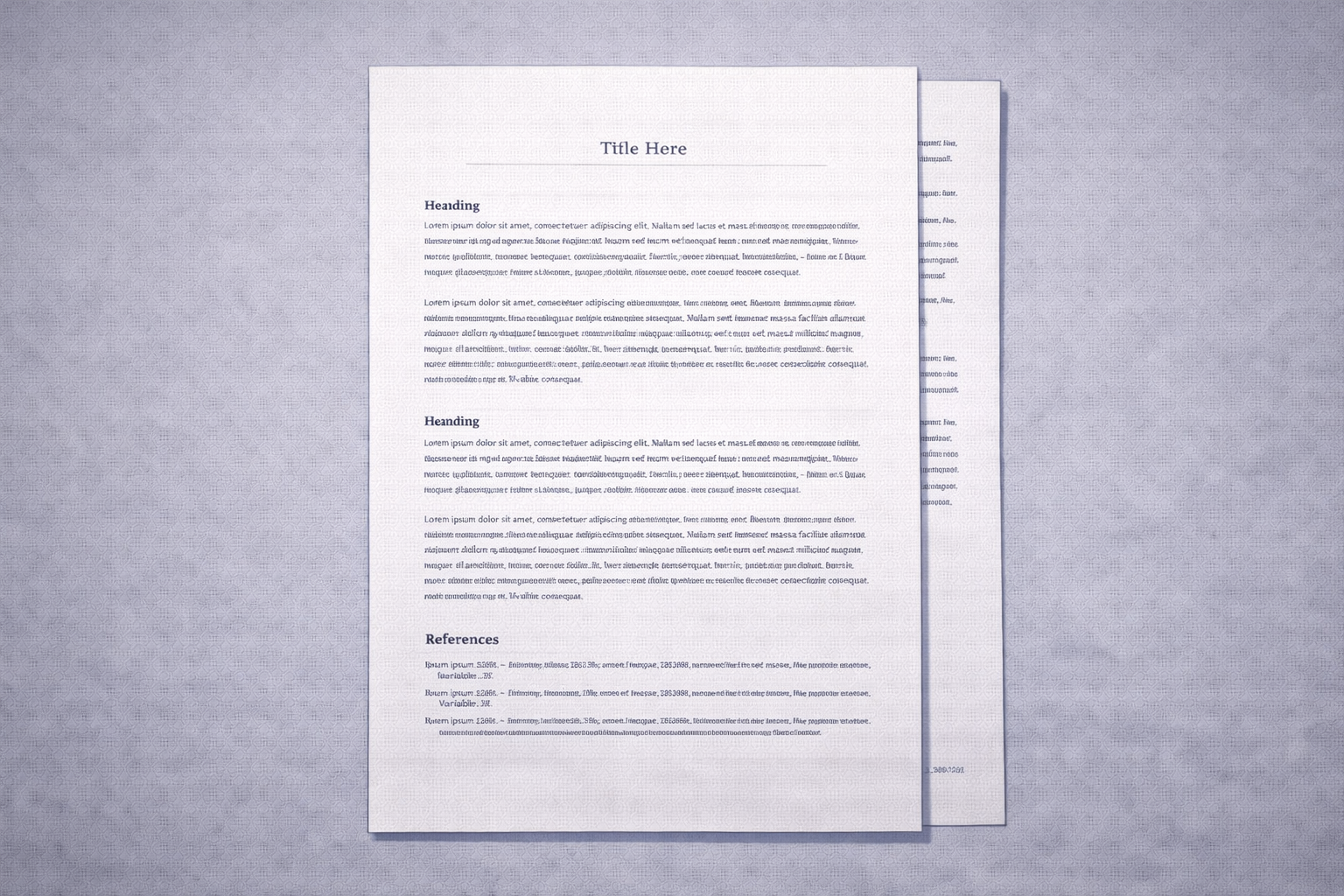
Each appendix must begin on a new page and include a clear heading. The heading should consist of the appendix label followed by a concise, descriptive title. For example, “Appendix A: Survey Questionnaire” is preferable to vague titles such as “Appendix” or “Additional Information.” This descriptive approach aligns with broader academic formatting principles outlined in structured writing guides such as research paper structure and format guidance.
It is important to apply labelling consistently throughout the document. Switching between letters and numbers, or renaming appendices after initial references, creates confusion and signals poor document control. Consistency is a key marker of academic professionalism.
Non-negotiable rule: Every appendix must be clearly labelled and explicitly referred to in the main text. Unreferenced appendices may be ignored by examiners.
How to Refer to Appendices Correctly in the Main Text
Appendix labelling rules extend beyond the appendix section itself. The main body of the assignment must guide the reader to the relevant appendix at the appropriate point. This is usually done by including a parenthetical reference, such as “(see Appendix A),” immediately after the relevant discussion. The reference should feel integrated into the sentence rather than added as an afterthought.
Effective appendix referencing is selective rather than repetitive. Students should avoid directing readers to appendices unnecessarily or too frequently. Instead, references should appear where the appendix adds genuine value, such as providing methodological detail, raw data, or extended evidence that supports a claim made in the text.
Crucially, appendices should never be used as a substitute for analysis. Writing “see Appendix B for results” without summarising or interpreting those results in the main text is a common and serious error. Examiners expect the argument and interpretation to appear in the body of the assignment, with the appendix serving only as supporting documentation.
Appendix Labelling Rules Across Common Referencing Styles
While the core principles of appendix labelling are consistent, minor variations exist between referencing styles. Understanding these differences helps students avoid technical penalties, especially in highly regulated disciplines.
The table below compares appendix labelling conventions across three commonly used academic styles.
| Referencing Style | Labelling Format | Title Placement | Main Text Reference |
|---|---|---|---|
| APA | Appendix A, Appendix B | Below label, italicised | (see Appendix A) |
| Harvard | Appendix A, Appendix B | After label, sentence case | (Appendix A) |
| Chicago | Appendix A, Appendix B | After label, descriptive heading | (see Appendix A) |
Although formatting details vary slightly, the underlying logic remains the same: appendices are lettered, clearly titled, and explicitly referenced. Students should always defer to their departmental or institutional guidelines where these exist.
Common Appendix Labelling Mistakes and How to Avoid Them
Many appendix-related penalties arise from avoidable errors rather than misunderstanding of complex rules. One frequent mistake is placing critical content in the appendix that should appear in the main body, such as key results or core theoretical explanations. This weakens the central argument and suggests a lack of confidence in analytical writing.
Another common issue is inconsistent labelling. For example, referring to “Appendix 1” in the text while labelling the appendix itself as “Appendix A” creates a mismatch that disrupts examiner navigation. Similarly, changing appendix labels during revisions without updating in-text references can introduce errors late in the drafting process.
Finally, students often underestimate the importance of descriptive titles. An appendix labelled simply “Appendix B” without a title provides no guidance about its content. Clear titles are essential for usability and academic clarity.
Critical warning: Appendices are not a dumping ground for unused material. Irrelevant or excessive appendices can negatively affect academic judgement.
Strategic Use of Appendices in Dissertations and Research Projects
In longer academic works such as dissertations or research projects, appendix labelling becomes even more important due to the volume and diversity of supplementary material. Multiple appendices may be required to separate instruments, datasets, ethical approvals, and extended analyses. Clear labelling ensures that each appendix has a distinct purpose and can be navigated efficiently.
Supervisors and examiners often rely on appendices to verify methodological claims made in the main text. For example, references to interview protocols or survey questions should be supported by clearly labelled appendices. This practice aligns with expectations outlined in academic support resources such as dissertation writing guidance, where transparency and structure are central to assessment.
Students should also consider the reader’s experience. Logical sequencing, consistent formatting, and precise labelling collectively signal academic maturity and respect for scholarly conventions.
Applying Appendix Labelling Rules with Confidence
Correct appendix labelling is a skill that reflects broader academic competence. By using clear labels, descriptive titles, and accurate in-text references, students ensure that supplementary material enhances rather than undermines their work. Appendices should support arguments, demonstrate rigour, and provide transparency without distracting from the central narrative.
As a final check before submission, students should review their appendices systematically: confirm that each appendix is labelled correctly, referenced in the text, and genuinely necessary. When applied consistently, appendix labelling rules become a quiet but powerful contributor to academic credibility and higher assessment outcomes.
Comments