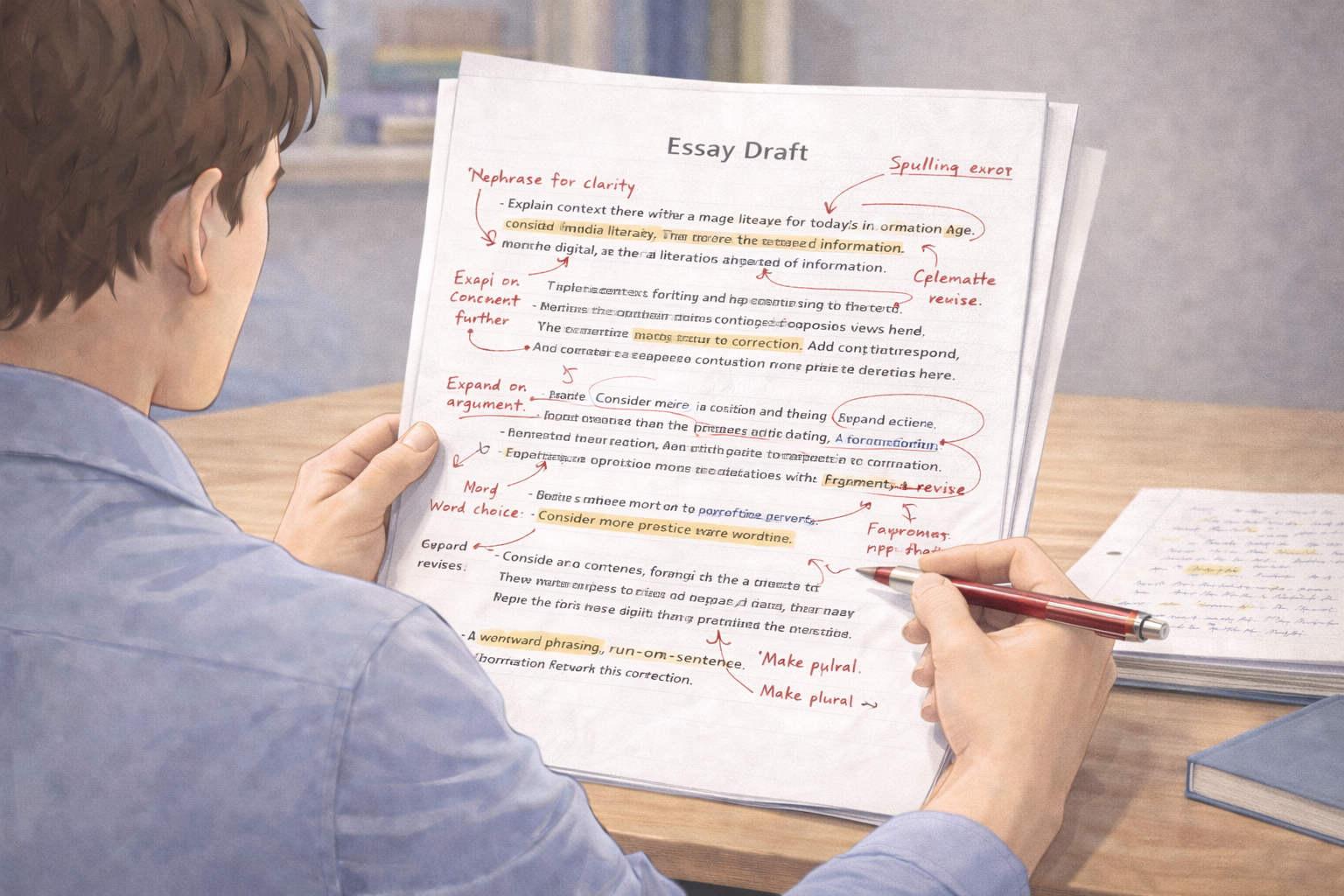
For many university and college students, completing an assignment is only part of the academic challenge; ensuring that the writing is clear, correctly structured, and academically credible is often harder. An assignment editing service for students provides professional support that improves language quality, argument coherence, and presentation before submission. Understanding what these services include and how they differ from proofreading or writing assistance is essential for effective revision and academic success.
Academic editing services provide targeted feedback on writing quality rather than generating original content. They help students clarify ideas, correct technical issues, and align their work with academic conventions. This article explores assignment editing in depth, providing students with a thorough understanding of how these services work, what they cover, and how to choose reputable support for rigorous academic assignments.
Why Students Use Assignment Editing Services
Students turn to assignment editing services for a variety of reasons. In many academic programmes, language quality and writing clarity are examined separately from content quality, meaning that poor presentation can reduce marks even if the research is strong. Student writers sometimes struggle to see their own errors after multiple revisions, a phenomenon known as document blindness. Editing services provide an external, expert perspective that identifies issues students might miss.
Another common reason students seek editing support is language proficiency. For non‑native English speakers, academic conventions, syntax, and style can be particularly challenging. Professional editors help ensure that ideas are communicated clearly and correctly, without sacrificing the student’s voice or analytical depth. Assignment editing services also help students ensure that formatting, citation style, and academic tone meet institutional requirements.
Academic expectation: Examiners expect not only rigorous content but also clear, well‑structured writing that adheres to disciplinary and institutional conventions.
What an Assignment Editing Service Covers
Assignment editing services do more than correct surface errors; they engage with your writing to improve academic communication. Most professional academic editing services, such as the :contentReference[oaicite:0]{index=0} offered by Epic Essay, include a range of interventions designed to elevate assignment quality.
These typically include:
- Clarity and coherence improvements – reorganising sentences and paragraphs so arguments flow logically.
- Academic tone enhancement – ensuring language is formal, objective, and appropriate to academic contexts.
- Grammar and syntax refinement – correcting errors in sentence structure, tense, subject‑verb agreement, and other grammatical issues.
- Reference and citation alignment – ensuring that citations match the chosen style (e.g., APA, Harvard, MLA) and are correctly formatted.
- Formatting consistency – checking that headings, spacing, margins, and other presentation elements comply with guidelines.
Rather than rewriting your ideas, editors preserve your voice while polishing your expression, organisation, and technical accuracy. This collaborative approach helps students retain ownership of their work while improving its academic quality.
Editing Versus Proofreading: Understanding the Difference
Many students confuse editing with proofreading, but the two services serve distinct purposes in the revision process. Editing focuses on enhancing the substance and form of writing, while proofreading addresses technical accuracy at the final stage.
To clarify these differences, consider the functions of each service:
| Aspect | Editing | Proofreading |
|---|---|---|
| Primary Focus | Clarity, structure, academic tone | Grammar, spelling, punctuation |
| Depth of Changes | Substantive revisions and refinements | Surface‑level corrections |
| Stage in Writing Process | After content drafting | Final stage before submission |
| Typical Outcomes | Improved readability and argument flow | Error‑free and polished presentation |
This comparison clarifies that while both services enhance writing quality, editing is deeper and more transformative than proofreading. Most assignment editing services will offer both, sometimes as combined packages, to ensure comprehensive support.
How Assignment Editors Improve Academic Writing
Professional academic editors bring expertise in language, structure, and disciplinary conventions. Their role often includes:
- Rewriting sentences that are unclear or awkward without changing meaning.
- Suggesting reorganisation of paragraphs to strengthen argumentation.
- Standardising terminology and eliminating inconsistencies.
- Revising introductions and conclusions for tighter focus and cohesion.
For example, an editor might refine an assignment introduction to ensure it clearly states the primary research question and previews the structure of the argument. Similarly, editors help transition between sections so that your ideas build logically rather than appearing segmented.
When to Use an Assignment Editing Service
Students should consider professional editing support when they have completed a draft and need help with clarity, academic tone, or technical presentation. This often occurs when:
- The assignment deadline is near and self‑revision time is limited.
- Language proficiency challenges make it hard to refine expression independently.
- Feedback from peers or supervisors highlights coherence issues.
- Formatting and citation guidelines must be strictly met.
Using an assignment editing service at an appropriate stage prevents wasted effort on final polishing before structural and substantive issues are addressed.
Choosing a Quality Editing Service
Not all editing services are equal. Students should evaluate providers based on expertise, transparency, and alignment with academic standards. Key criteria include:
- Academic experience: Editors familiar with university standards and disciplines can provide targeted academic guidance.
- Service scope: Ensure the service offers both editing and proofreading, as needed.
- Turnaround time: Reliable timelines help you integrate edits before submission.
- Revision policies: Free revisions show a commitment to quality and student satisfaction.
- Ethical guidelines: Work should support, not replace, your original content and insights.
Professional editing services—like those offered by Epic Essay—provide expert editors, quality guarantees, and structured revision processes that align with students’ academic needs.:contentReference[oaicite:1]{index=1}
Integrating Editing into Your Academic Workflow
To make the most of an assignment editing service, it should be integrated into your revision workflow thoughtfully. A recommended process includes:
- Draft early: Complete your assignment early to allow time for substantive revision.
- Self‑revise: Conduct your own revisions before seeking professional editing to reduce superficial errors.
- Use editing service: Engage professional editing to refine clarity, structure, and academic tone.
- Proofread: After substantive edits, ensure a final proofreading pass for technical accuracy.
- Final check: Verify compliance with assignment guidelines before submission.
This sequence ensures that professional editing enhances quality at the right stage rather than masking deeper writing issues.
Common Misconceptions About Editing Services
Students sometimes misunderstand what editing services do. A prevalent misconception is that editing will write content for you; in reality, ethical academic editing improves your draft without producing new substantive content. Another misconception is that editing is unnecessary if grammar checkers were used. Automated tools help but cannot replace expert academic insight, especially regarding structure, argumentation, and academic tone.
Benefits of Professional Editing for Students
Engaging a professional assignment editing service can yield several academic benefits:
- Enhanced clarity and readability of your argument.
- Improved academic tone and professional presentation.
- Greater confidence in assignment quality and submission readiness.
- Reduced risk of marks lost due to technical errors or unclear writing.
Ultimately, the goal of editing is to strengthen your work so that your ideas are communicated effectively and rigorously.
Final Guidance on Assignment Editing Service for Students
An assignment editing service for students provides critical support that refines your academic writing, enhances presentation, and ensures consistency with university expectations. By understanding what such services include, how they differ from proofreading, and how to integrate them into your revision workflow, you can maximise the impact of your academic writing. Thoughtful use of professional editing elevates your work, improves clarity, and helps you submit assignments with confidence—reflecting both intellectual effort and academic professionalism.



Comments