
A dissertation is not simply a long piece of writing; it is a carefully structured academic argument developed across a series of interconnected chapters. Each chapter plays a distinct role in demonstrating research competence, analytical depth, and scholarly contribution. For this reason, creating a clear dissertation chapter outline is one of the most important steps in successful dissertation writing.
Many students encounter difficulties not because their research is weak, but because their chapters lack focus, coherence, or logical progression. An effective chapter outline ensures that ideas build systematically, evidence is presented in the correct place, and the overall argument remains clear to the reader.
This guide explains the standard dissertation chapter outline used across most universities, clarifies the function of each chapter, and highlights how chapters should work together to meet academic assessment criteria.
Why a Dissertation Chapter Outline Matters
A dissertation chapter outline acts as a structural blueprint for the entire research project. It helps students organise complex material, maintain balance between sections, and avoid unnecessary repetition or gaps in argumentation.
From an examiner’s perspective, structure is inseparable from quality. A well-organised dissertation signals academic maturity and control over the research process, while a poorly structured manuscript often obscures even strong research findings.
Examiner expectation: Each dissertation chapter should have a clear purpose and contribute directly to answering the research question.
Developing a chapter outline early allows students to write with clarity and confidence, reducing major revisions later.
Front Sections of a Dissertation
Before the main chapters begin, a dissertation includes several preparatory sections that provide context and orientation for the reader. Although these sections are not argumentative, they must be accurate, concise, and professionally presented.
Typical front sections include the title page, abstract, acknowledgements, and table of contents. Universities often provide strict formatting guidelines for these components.
- Title page
- Abstract
- Declaration of originality
- Acknowledgements
- Table of contents
- List of tables and figures
The abstract is particularly important because it summarises the entire dissertation for examiners and external readers.
Chapter 1: Introducing the Research Focus
The first chapter establishes the foundation of the dissertation by defining the research problem and its academic context. This chapter explains what the study investigates, why it matters, and how it contributes to existing knowledge.
A strong opening chapter moves from a broad discussion of the topic to a precise statement of the research aim. It should also clearly articulate the research questions or hypotheses guiding the study.
Common elements of this chapter include:
- Background and context of the study
- Problem statement
- Research aims and objectives
- Research questions or hypotheses
- Significance of the research
- Overview of dissertation structure
This chapter sets expectations for the reader and frames the intellectual direction of the dissertation.
Chapter 2: Reviewing the Literature
The literature review chapter demonstrates the student’s understanding of existing research and theoretical debates relevant to the topic. Rather than summarising sources individually, this chapter synthesises and critiques prior studies.
A well-developed literature review shows how the research fits within the field, identifies gaps in knowledge, and justifies the need for the current study.
Key functions of this chapter include:
- Mapping major theories and concepts
- Evaluating strengths and weaknesses of previous research
- Identifying gaps or inconsistencies
- Positioning the current study within scholarly debates
This chapter provides the theoretical and empirical foundation for the research design.
Chapter 3: Research Design and Methodology
The methodology chapter explains how the research was conducted and why the chosen methods were appropriate. Examiners assess this chapter carefully to evaluate rigor, validity, and ethical awareness.
This chapter should clearly describe the research approach while also justifying methodological decisions.
Typical components include:
- Research approach and design
- Data collection methods
- Sampling or participant selection
- Data analysis procedures
- Ethical considerations
Transparency is essential; readers should understand exactly how conclusions were reached.
Chapter 4: Presenting the Findings
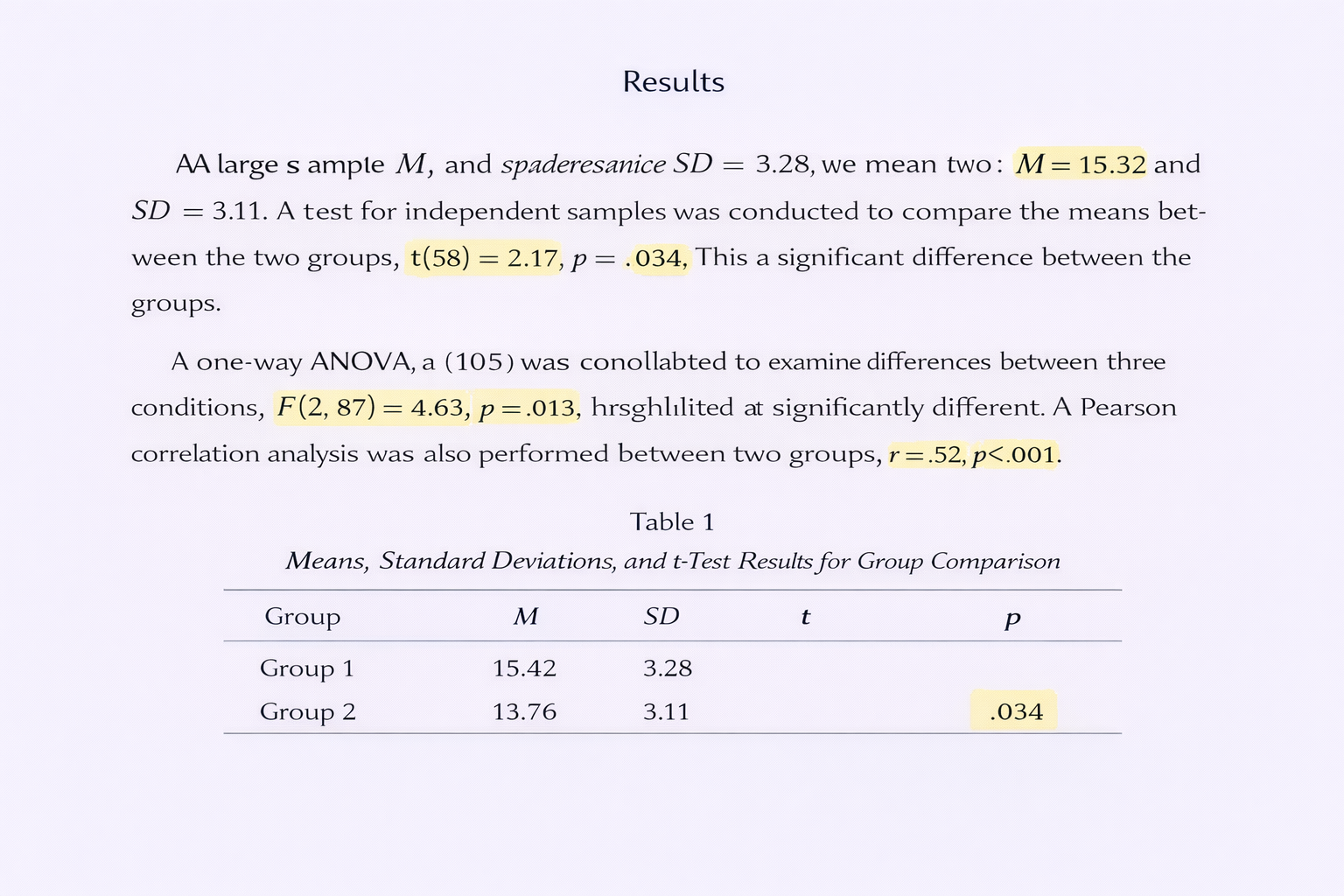
The findings chapter reports the results of the research without extensive interpretation. Its purpose is to present data clearly and systematically in relation to the research questions.
Depending on the methodology, findings may be presented numerically, thematically, or narratively. Tables and figures are often used to enhance clarity.
At this stage, interpretation is minimal; the focus is on accuracy and organisation.
Chapter 5: Analysis and Interpretation
This chapter explains what the findings mean in relation to the research questions, literature, and theoretical framework. It is here that the student demonstrates analytical depth and scholarly insight.
The analysis chapter connects empirical results to existing research, explaining similarities, differences, and implications.
Critical warning: Describing results without interpretation weakens the academic contribution of the dissertation.
Strong analysis explicitly addresses how the findings advance understanding in the field.
Final Chapter: Drawing Conclusions and Implications
The concluding chapter synthesises the entire dissertation. Rather than repeating earlier sections, it draws together key insights and articulates the overall contribution of the research.
This chapter typically includes:
- Summary of key findings
- Theoretical and practical implications
- Limitations of the study
- Recommendations for future research
A strong conclusion reinforces the significance and originality of the dissertation.
References and Appendices
The final sections of a dissertation ensure academic transparency and completeness. All sources cited must appear in the reference list, formatted according to the required referencing style.
Appendices contain supplementary materials such as questionnaires, extended data tables, or ethical approval documents that support the research.
| Chapter | Primary Purpose |
|---|---|
| Introduction | Defines research focus and scope |
| Literature Review | Positions research within existing scholarship |
| Methodology | Explains research design and methods |
| Findings | Presents research results |
| Analysis | Interprets findings and contributions |
| Conclusion | Synthesises insights and implications |
This outline may vary slightly by discipline, but the logical progression remains consistent.
Final Advice on Planning a Dissertation Chapter Outline
An effective dissertation chapter outline provides structure, clarity, and direction throughout the research process. It allows students to focus on argument development rather than organisational uncertainty.
By planning chapters carefully and ensuring each section serves a clear purpose, students improve coherence and reduce the risk of major structural revisions.
A strong outline transforms a complex research project into a manageable, well-articulated academic contribution.


Comments