Plagiarism is a major academic concern in university research writing and one of the most common reasons students face penalties, revisions, or disciplinary action. It can occur intentionally or unintentionally, often as a result of poor note-taking, misunderstanding citation rules, or pressure to meet deadlines. Regardless of intent, plagiarism is treated seriously across higher education institutions.
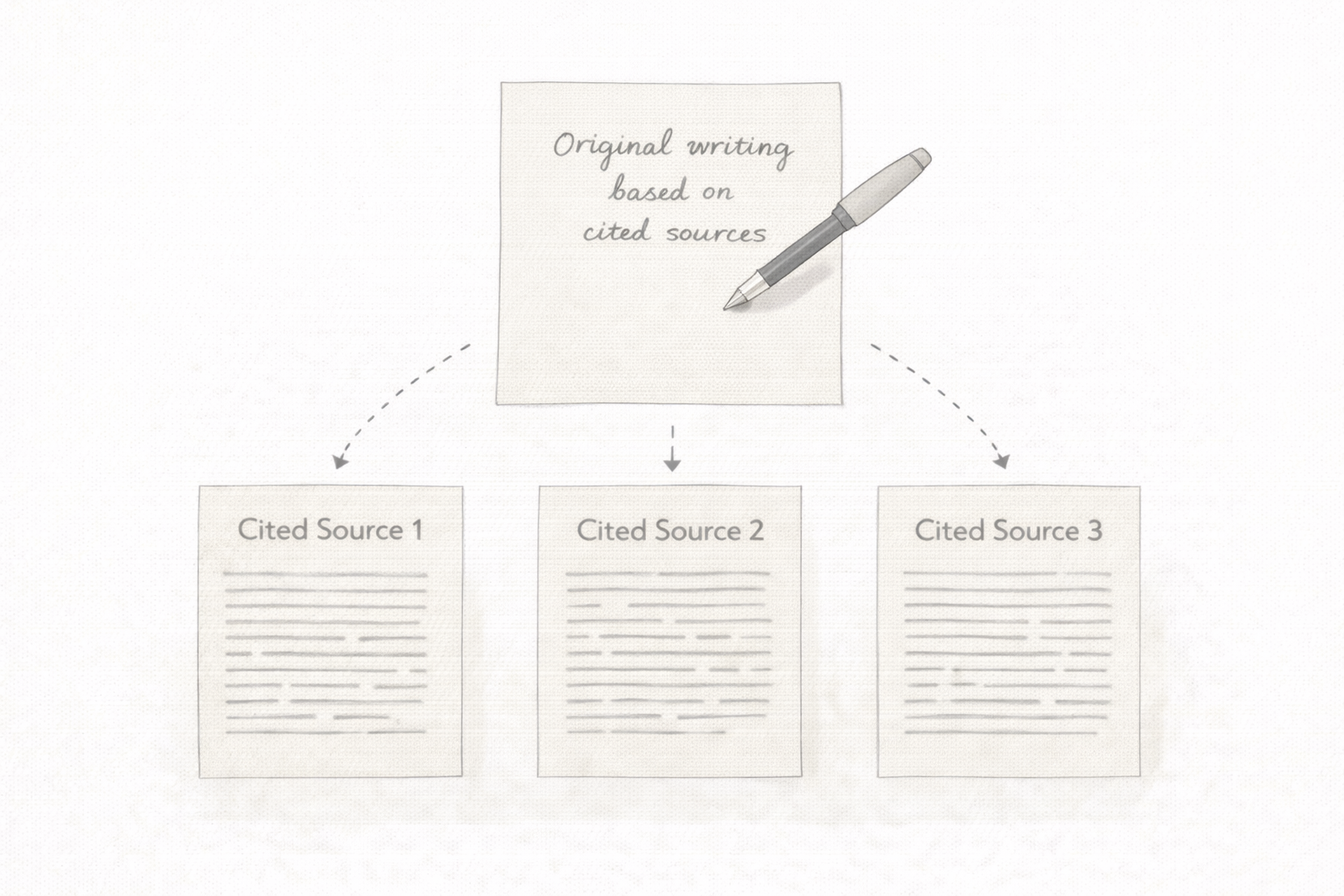
In research writing, originality does not mean inventing ideas without reference to existing scholarship. Instead, it means engaging critically with existing research while clearly acknowledging the intellectual contributions of others. Academic integrity depends on transparency, accuracy, and responsible use of sources.
This article explains how to avoid plagiarism in research writing by developing sound academic habits. It outlines practical strategies, common risk areas, and examiner expectations to help students produce original, ethical, and credible research work.
Understanding What Plagiarism Means in Academic Research
Plagiarism occurs when a writer presents another person’s ideas, words, data, or structure as their own without proper acknowledgement. In academic research, this includes copying text verbatim, closely paraphrasing without citation, or reusing work submitted previously without permission.
Universities recognise multiple forms of plagiarism, including direct plagiarism, mosaic plagiarism, self-plagiarism, and accidental plagiarism. Importantly, lack of intent does not excuse the offence. Students are expected to understand and apply academic conventions consistently.
Plagiarism is not defined by how much is copied, but by whether proper credit is given.
Understanding this definition is the first step toward avoiding academic misconduct.
Why Avoiding Plagiarism Is Central to Research Credibility
Research writing is built on trust. Readers, examiners, and reviewers must be able to trace claims back to reliable sources and distinguish between original analysis and referenced material. Plagiarism undermines this trust and calls the entire research project into question.
Academic penalties for plagiarism range from grade reductions to course failure or expulsion, depending on severity and institutional policy. Beyond penalties, plagiarism damages a student’s academic reputation and confidence.
Ethical research practice also prepares students for professional and postgraduate work, where originality and accountability are essential.
Common Causes of Plagiarism in Student Research Writing
Plagiarism often results from process-related issues rather than deliberate dishonesty. Time pressure, unfamiliarity with citation standards, and poor source management frequently contribute to unintentional plagiarism.
Another common cause is overreliance on source language. When students read extensively without processing ideas critically, they may unconsciously reproduce phrasing or structure too closely.
Recognising these risk factors allows students to address plagiarism proactively rather than reactively.
Using Sources Correctly: Quoting, Paraphrasing, and Summarising
Effective source use requires understanding the distinction between quoting, paraphrasing, and summarising. Each method serves a different academic purpose and carries specific citation requirements.
Direct quotations reproduce the original wording and must be enclosed in quotation marks with an appropriate citation. Paraphrasing involves restating ideas entirely in one’s own words and sentence structure, while still crediting the original source. Summarising condenses broader arguments into a concise overview.
Changing a few words is not paraphrasing.
True paraphrasing requires reprocessing the idea conceptually before rewriting it.
Evaluating Paraphrasing Quality to Avoid Plagiarism
Students often believe that paraphrasing automatically avoids plagiarism, but this is not always the case. Paraphrases that closely mirror the original sentence structure or vocabulary may still be flagged by plagiarism detection software.
Effective paraphrasing involves changing both language and structure while preserving meaning. Reading the source, setting it aside, and then writing from understanding rather than memory is a useful technique.
Paraphrased material must always be cited, as the underlying idea remains someone else’s intellectual property.
Keeping Accurate Research Notes from the Start
One of the most effective ways to avoid plagiarism is disciplined note-taking during the research phase. Notes should clearly distinguish between direct quotations, paraphrased ideas, and personal reflections.
Failing to label notes properly increases the risk of inserting copied material into a draft unintentionally. Students should record full bibliographic details alongside notes to avoid citation gaps later.
Organised research notes support ethical writing and reduce stress during drafting.
Understanding Citation and Referencing Expectations
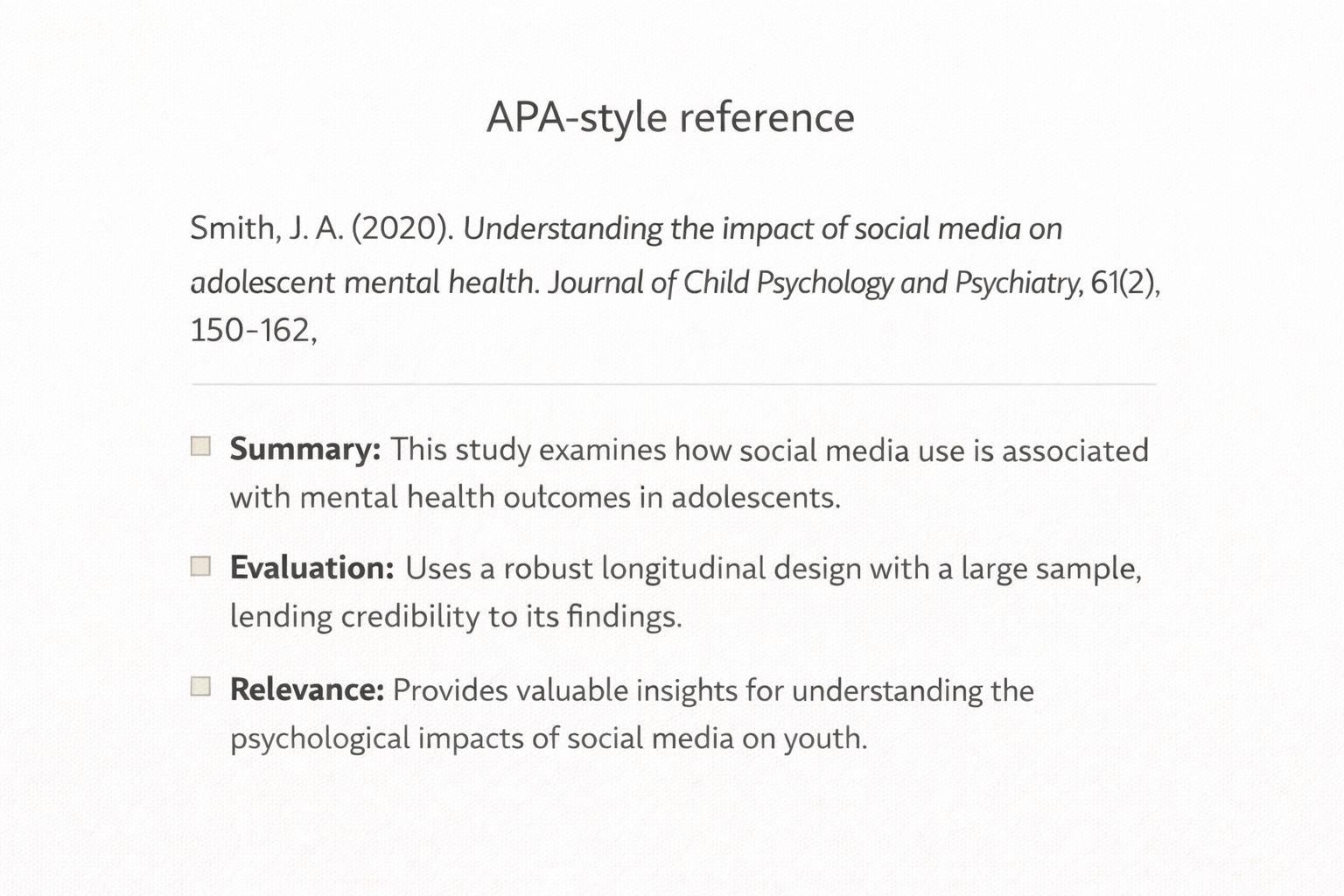
Correct citation is essential to avoiding plagiarism. While citation styles differ across disciplines, their purpose is consistent: to acknowledge sources clearly and consistently.
In-text citations show where external ideas are used, while reference lists provide full publication details. Missing citations, incorrect formatting, or inconsistent referencing can all raise plagiarism concerns.
Students should follow the citation style specified in their assignment brief and consult official style guides when uncertain.
How Plagiarism Detection Tools Are Used in Universities
Most universities use plagiarism detection software to screen research writing. These tools compare submissions against academic databases, online content, and previous student work.
While similarity percentages are often reported, examiners focus on context rather than raw numbers. Legitimately cited material and reference lists are not treated as plagiarism.
Plagiarism detection tools support academic judgement; they do not replace it.
Students should use these tools diagnostically, not as substitutes for ethical writing.
Table of High-Risk Practices and Safer Academic Alternatives
The table below outlines common high-risk practices that lead to plagiarism and safer alternatives students should adopt.
| High-Risk Practice | Why It Causes Plagiarism | Safer Academic Alternative |
|---|---|---|
| Copying text into drafts | Blurs line between notes and writing | Summarise ideas before drafting |
| Patchwriting | Retains original structure | Rewrite from conceptual understanding |
| Missing citations | Hides source contribution | Cite every external idea |
| Reusing past work | Violates originality rules | Seek permission or rewrite fully |
Adopting safer alternatives consistently strengthens academic integrity.
Developing an Original Academic Voice
A strong academic voice reduces plagiarism risk by prioritising analysis over description. Students should aim to synthesise sources rather than report them sequentially.
Originality in research writing emerges through comparison, evaluation, and critical engagement with literature. Even when drawing on existing studies, students can contribute original insight through interpretation.
Developing this voice takes practice but is essential for higher-level academic work.
Final Strategies for Avoiding Plagiarism with Confidence
Avoiding plagiarism in research writing requires planning, discipline, and ethical awareness. By understanding what constitutes plagiarism and adopting sound research practices, students can protect their academic integrity.
Clear note-taking, accurate citation, careful paraphrasing, and critical engagement with sources form the foundation of plagiarism-free writing. These practices also enhance clarity and analytical quality.
Ultimately, avoiding plagiarism is not about fear of penalties, but about respecting scholarship and producing research that is genuinely one’s own.

Comments