
The methodology section is one of the most closely scrutinised parts of any academic research paper. While introductions and literature reviews establish what a study is about, the methodology explains how the research was actually conducted. For examiners and supervisors, this section is the primary basis for judging whether a study is credible, replicable, and academically sound.
Many students struggle with methodology writing because it demands precision rather than persuasion. Unlike argumentative sections, the methodology must be factual, transparent, and logically structured. Vague descriptions, missing justifications, or inconsistent terminology often lead to significant mark deductions, even when the research topic itself is strong.
This guide explains how to write a methodology section step by step, with academic depth and practical clarity. It is designed for undergraduate and postgraduate students working on essays, dissertations, research proposals, and journal-style papers across disciplines.
What the Methodology Section Is Expected to Achieve
The core purpose of a methodology section is to demonstrate that the research was designed and conducted systematically. It must show that the chosen methods align logically with the research questions and that the results are trustworthy.
Examiners read the methodology not to be impressed by complexity, but to assess coherence. Every methodological choice should follow logically from the research aim, and each step should be described clearly enough that another researcher could replicate the study under similar conditions.
The methodology section answers one central question: could this study realistically be repeated by another researcher using the information provided?
To achieve this, the methodology typically explains the research approach, design, data sources, sampling strategy, data collection procedures, analysis techniques, and ethical considerations.
Choosing and Explaining the Research Approach
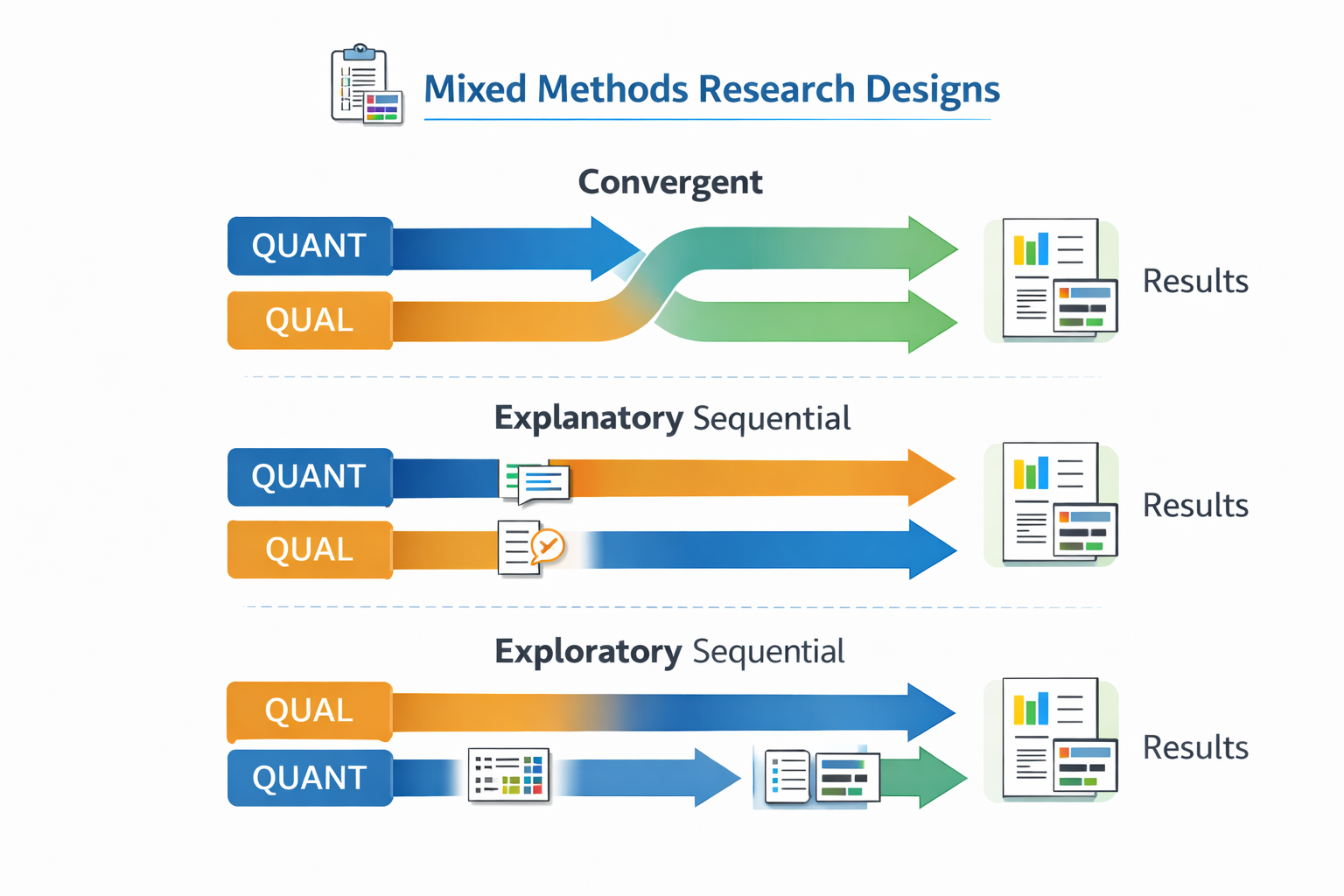
The first major element of a methodology section is the research approach. This refers to the overall philosophical and practical orientation of the study, most commonly qualitative, quantitative, or mixed methods.
A qualitative approach focuses on meanings, experiences, and interpretations. It is often used in interviews, focus groups, and textual analysis. A quantitative approach emphasises numerical data, statistical testing, and measurement, typically through surveys or experiments. Mixed methods research intentionally combines both to provide a more comprehensive understanding.
When writing this part of the methodology, students must do more than name the approach. They must justify it. The explanation should show why the chosen approach is the most suitable for addressing the research questions.
Never assume the research approach is self-evident. Explicit justification is required, even for seemingly obvious choices.
Describing the Research Design with Precision
Research design refers to the structural framework of the study. It explains how the research was organised and how variables or themes were examined. Common designs include experimental, correlational, case study, cross-sectional, and longitudinal designs.
This section should clearly name the design and explain how it was implemented in practice. For example, a case study design should specify the case boundaries, context, and rationale for selecting that case.
The table below illustrates how different research designs align with typical academic purposes.
| Research Design | Primary Purpose | Typical Use Cases |
|---|---|---|
| Experimental | Test cause-and-effect relationships | Laboratory studies, intervention research |
| Cross-sectional | Analyse data at one point in time | Surveys, opinion studies |
| Case Study | Explore phenomena in depth | Organisational, educational, or policy research |
| Longitudinal | Examine change over time | Developmental or trend studies |
After presenting the design, briefly explain its strengths and acknowledge any inherent limitations, showing critical awareness.
Explaining Data Sources and Sampling Decisions
Data sources describe where the information analysed in the study came from. This may include primary data such as interviews or questionnaires, or secondary data such as databases, reports, or archival documents.
Sampling explains how participants, texts, or data points were selected. This section should specify the sampling method used, such as random, purposive, convenience, or stratified sampling, and justify why it was appropriate.
Crucially, students must explain not only who or what was included, but also why. Sample size should be stated clearly, alongside any inclusion or exclusion criteria.
Transparent sampling decisions strengthen credibility by allowing readers to evaluate representativeness and potential bias.
Detailing Data Collection Procedures
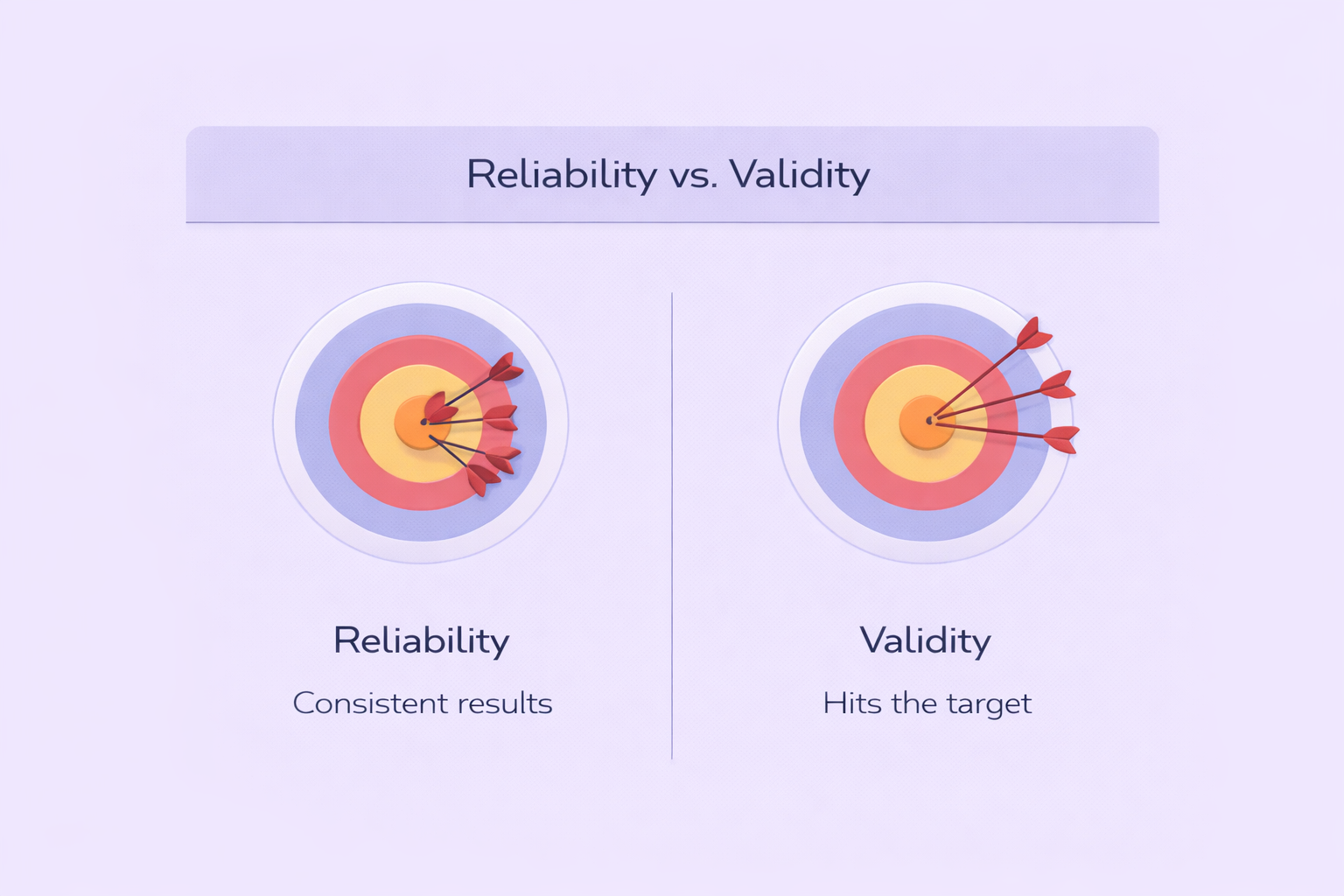
The data collection subsection explains how information was gathered in practice. This includes tools used, procedures followed, and timelines involved. Precision is essential, as vague descriptions undermine reliability.
For example, survey-based research should specify how the questionnaire was administered, the scale types used, and the duration of data collection. Interview-based studies should describe the interview format, recording methods, and setting.
Where instruments were adapted from existing studies, this should be acknowledged. If new instruments were developed, a brief explanation of their development and testing is required.
Justifying Data Analysis Techniques
Data analysis describes how raw data were transformed into findings. The level of detail should match the academic level of the work, with postgraduate research requiring more depth than undergraduate assignments.
Quantitative studies should specify statistical tests, software used, and significance thresholds. Qualitative studies should explain coding processes, thematic analysis steps, or discourse analysis frameworks.
The table below contrasts qualitative and quantitative analysis expectations.
| Aspect | Qualitative Analysis | Quantitative Analysis |
|---|---|---|
| Data Type | Textual or visual | Numerical |
| Analysis Focus | Themes and meanings | Patterns and relationships |
| Common Tools | NVivo, manual coding | SPSS, R, Excel |
Regardless of approach, analysis choices must be explicitly linked back to the research questions.
Addressing Ethical Considerations Properly
Ethical considerations are a mandatory component of methodology writing, particularly in research involving human participants. This section explains how participants’ rights, privacy, and well-being were protected.
Common ethical elements include informed consent, confidentiality, data protection, and voluntary participation. Even when formal ethical approval was not required, ethical awareness must still be demonstrated.
Omitting ethics is interpreted as a methodological weakness, not an oversight.
Maintaining Academic Style and Methodological Coherence
Beyond content, the quality of a methodology section depends heavily on clarity and consistency. Terminology should remain stable throughout, and tense usage should be consistent, typically past tense for completed research.
The methodology should also align seamlessly with other sections. Research questions introduced earlier must be clearly addressed through the methods described, and the results section should logically follow from the analytical procedures outlined.
Overly technical language without explanation should be avoided. Academic rigour comes from precision, not obscurity.
How to Conclude a Methodology Section Effectively
A strong methodology section ends by reinforcing the overall coherence of the research design. Without introducing new information, the final paragraph should briefly reaffirm how the chosen methods appropriately address the research aim.
This closing synthesis reassures the reader that the study was carefully planned, ethically conducted, and analytically sound. When done well, it strengthens the credibility of the entire research paper and prepares the reader for the results that follow.

Comments