
Article reviews are a common form of assessment at university level, particularly in disciplines such as psychology, nursing, education, business, sociology, and the sciences. Despite their frequency, many students struggle with article reviews because they approach them as summaries rather than as critical academic evaluations.
A university article review requires students to demonstrate an understanding of a scholarly article’s argument, methodology, evidence, and contribution to its field. More importantly, it tests a student’s ability to analyse strengths, limitations, and implications using academic criteria. This guide explains how to write an article review that meets university standards and aligns with examiner expectations.
The article moves from understanding the purpose of an article review to structuring sections, developing critical analysis, and avoiding common academic mistakes.
What an Article Review Is in University Context
An article review is a structured academic critique of a scholarly journal article. Its purpose is not to restate what the author has written, but to evaluate how effectively the research question is addressed and how convincingly the argument is supported.
At university level, article reviews are designed to assess critical reading skills, disciplinary knowledge, and academic writing ability. Students must demonstrate that they can engage with research rather than accept it at face value.
An article review evaluates the quality, credibility, and contribution of a scholarly article, not just its content.
Understanding this distinction is essential for achieving high marks.
Understanding the Assignment Brief and Assessment Criteria
Before writing, students should carefully examine the assignment brief. Article reviews differ by discipline, word count, and focus. Some require methodological critique, while others prioritise theoretical contribution or practical relevance.
Assessment criteria typically reward accuracy of understanding, depth of critical analysis, clarity of academic writing, and appropriate use of evidence. Ignoring these criteria often leads to avoidable grade penalties.
Students should also confirm whether external sources are required to contextualise the article.
Preparing to Write: Reading the Article Critically
Effective article reviews begin with critical reading. This means reading the article actively, questioning its assumptions, methods, and conclusions rather than reading passively.
Key elements to identify include the research question, thesis, theoretical framework, methodology, data sources, and conclusions. Students should also note how the author positions the study within existing research.
Annotating the article and taking structured notes helps transform reading into analytical preparation.
Structuring an Academic Article Review
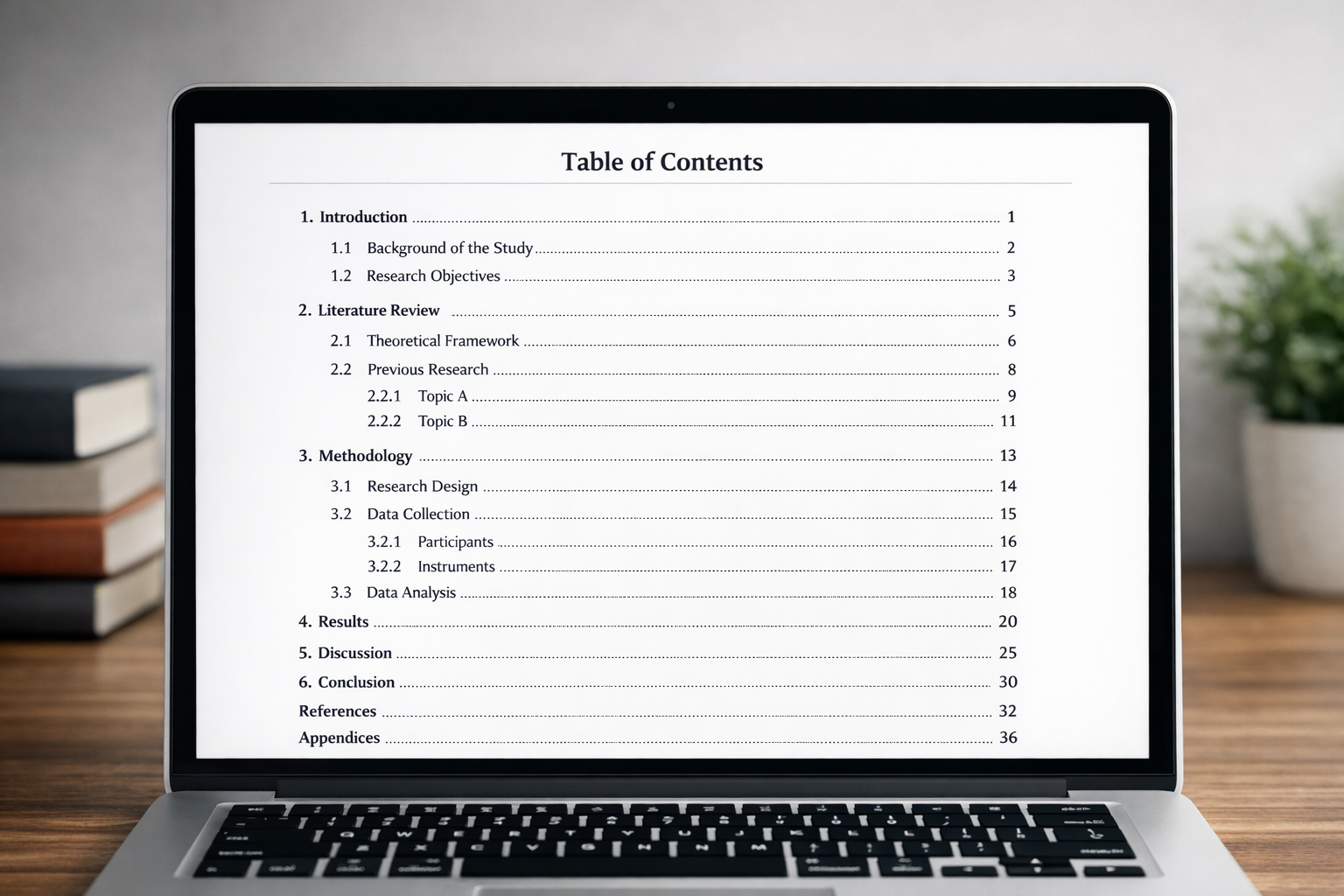
While formatting may vary slightly by discipline, most university article reviews follow a consistent academic structure. This structure supports logical flow and clarity.
Introduction: Context and Focus
The introduction should identify the article being reviewed, including the author(s), title, journal, and publication year. It should briefly outline the article’s research focus and significance.
Rather than summarising the entire study, the introduction should establish the purpose of the review and signal the criteria that will guide evaluation.
Strong introductions position the article within its academic field.
Summary of the Article’s Argument
A concise summary of the article’s main argument and findings is usually required. This section should focus on the research question, key claims, and conclusions.
The summary should be selective and analytical. Excessive detail reduces space for critical evaluation and weakens the overall review.
At university level, summary should support analysis rather than replace it.
Critical Analysis and Evaluation
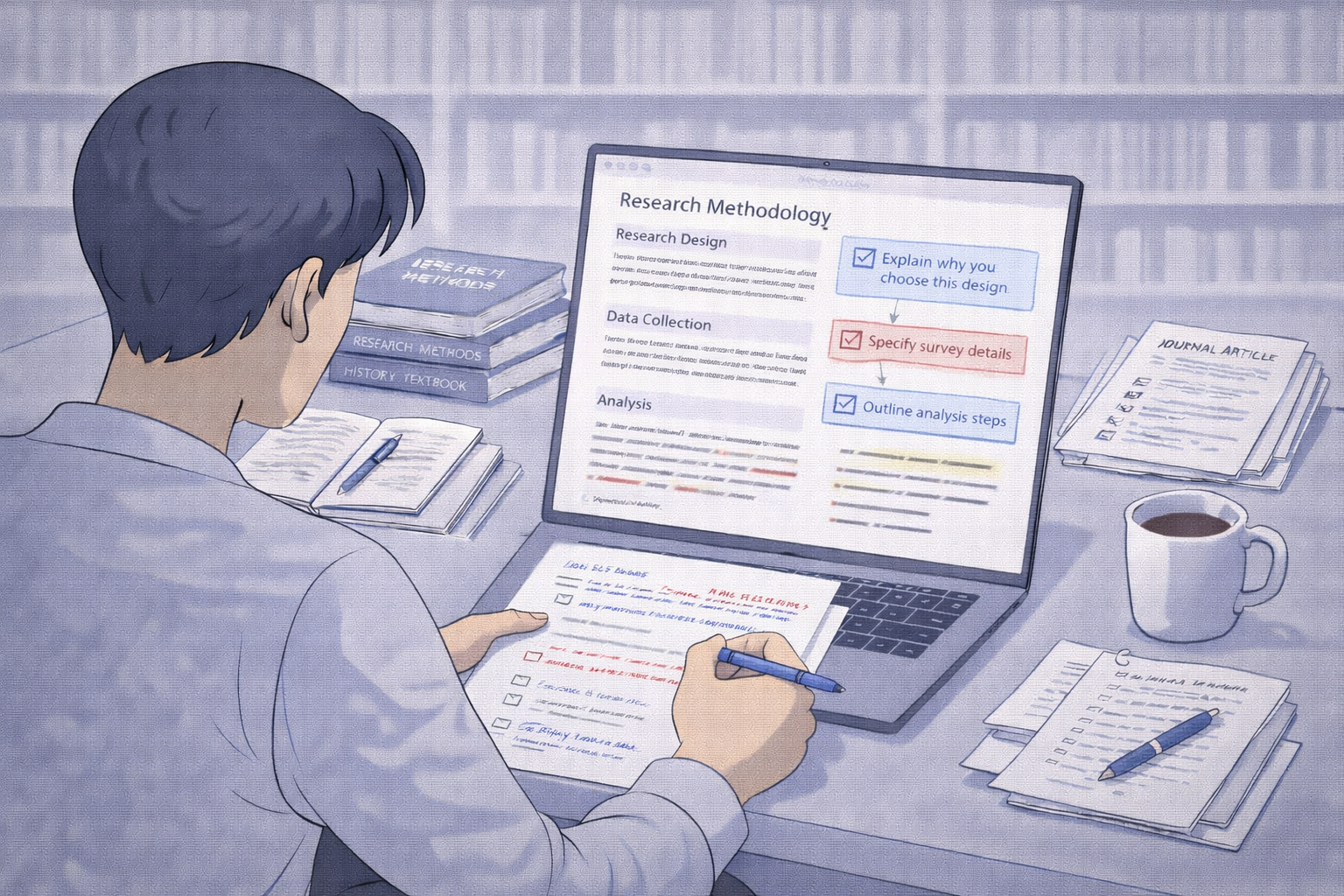
This section forms the core of the article review. Students must evaluate how effectively the research design, methodology, and argument address the research question.
Critical analysis may assess the appropriateness of the method, reliability of data, coherence of the argument, and validity of conclusions. Claims should be supported with references to specific parts of the article.
Balanced evaluation demonstrates academic maturity and credibility.
Key Criteria Used to Evaluate Scholarly Articles
Most disciplines assess research articles using similar evaluative criteria. The table below outlines common dimensions used in university article reviews.
| Criterion | Focus of Evaluation | Guiding Questions |
|---|---|---|
| Research Question | Clarity and relevance | Is the research question clearly defined and justified? |
| Methodology | Appropriateness and rigor | Does the method suit the research aim? |
| Evidence | Quality of data and analysis | Is the evidence sufficient and credible? |
| Contribution | Scholarly significance | Does the article advance knowledge in the field? |
Using these criteria helps structure analysis and align the review with academic standards.
Maintaining an Academic Tone and Style
Article reviews must be written in a formal academic tone. Personal opinions should be avoided unless supported by scholarly reasoning.
Evaluative statements should be phrased objectively, using evidence rather than emotive language. Phrases such as “the study demonstrates” or “the methodology limits generalisability” reflect academic convention.
Precision and clarity are essential for credibility.
Using Evidence Effectively in an Article Review
Evidence in an article review typically includes paraphrased arguments, brief quotations, or references to specific sections of the article.
Each reference should support an evaluative point rather than simply restating content. Quotations should be used sparingly and integrated into analysis.
Students must follow the required referencing style consistently.
Common Mistakes in University Article Reviews
Several recurring errors weaken student article reviews.
- Overly descriptive summaries with minimal critique
- Unsupported personal opinions
- Failure to evaluate methodology or evidence
- Lack of clear structure and academic focus
Describing what the article says without evaluating how well it supports its claims is a common reason for low marks.
Avoiding these issues significantly improves analytical quality.
Writing a Strong Conclusion
The conclusion should synthesise the evaluation rather than introduce new analysis. It should briefly restate the article’s contribution and the reviewer’s overall assessment.
Some disciplines expect students to comment on implications for future research or practice.
A concise conclusion reinforces the reviewer’s critical judgment.
Meeting Examiner Expectations in Article Reviews
Examiners typically assess article reviews based on depth of understanding, analytical insight, academic writing quality, and adherence to assessment criteria.
High-quality reviews demonstrate independent thinking, balanced evaluation, and strong engagement with scholarly research.
Clear structure, disciplined argumentation, and precise language are consistent indicators of top-band work.
Building Long-Term Academic Skills Through Article Reviews
Learning how to write an article review develops transferable academic skills, including critical reading, research literacy, and analytical writing.
These skills are essential for dissertations, research proposals, and postgraduate study.
With practice, article reviews become a valuable opportunity to demonstrate intellectual confidence and scholarly engagement.

Comments