
Postgraduate academic writing represents a significant transition in academic expectations. At this level, writing is no longer assessed primarily on comprehension or correct application of concepts, but on the ability to engage critically with scholarship, justify methodological choices, and construct sustained, evidence-based arguments. Many capable students struggle not because they lack intelligence, but because postgraduate writing demands a different way of thinking and communicating academically.
Students entering postgraduate study often discover that techniques which were rewarded at undergraduate level are no longer sufficient. Longer assignments, greater emphasis on originality, and stricter evaluation of argument coherence require new writing strategies. This article explains postgraduate academic writing in practical terms, clarifying expectations, common challenges, and the skills needed to produce work that meets advanced academic standards.
What Defines Postgraduate Academic Writing
Postgraduate academic writing is defined by depth, independence, and critical judgement. Unlike undergraduate writing, which often demonstrates learning through explanation, postgraduate writing demonstrates learning through evaluation, synthesis, and scholarly positioning.
At this level, students are expected to situate their work within academic debates, not simply report what others have written. Arguments must be clearly justified, and claims must be supported with carefully selected evidence.
Postgraduate academic writing therefore functions as a form of scholarly dialogue rather than a summary exercise.
Academic definition: Postgraduate academic writing demonstrates independent critical engagement with research rather than reproduction of established knowledge.
How Postgraduate Writing Differs from Undergraduate Writing
The shift from undergraduate to postgraduate writing is often underestimated. At postgraduate level, structure becomes more flexible, but expectations for coherence and justification increase substantially.
Undergraduate writing may rely on instructor-provided frameworks and narrowly defined questions. Postgraduate assignments, by contrast, often require students to refine their own focus, justify scope, and defend analytical decisions.
This shift explains why students who performed well previously may initially struggle with postgraduate academic writing.
| Aspect | Undergraduate Writing | Postgraduate Writing |
|---|---|---|
| Primary purpose | Demonstrate understanding | Demonstrate critical judgement |
| Use of sources | Support explanation | Engage in scholarly debate |
| Structure | Prescribed and linear | Strategic and argument-driven |
| Originality | Limited | Expected and rewarded |
This comparison highlights why postgraduate academic writing requires deliberate skill development rather than simple extension of earlier habits.
Critical Thinking as the Core of Postgraduate Writing
Critical thinking is central to postgraduate academic writing. Examiners expect students to question assumptions, evaluate evidence quality, and recognise limitations in existing research.
This does not mean dismissing established scholarship, but engaging with it thoughtfully. Strong postgraduate writing shows awareness of complexity, uncertainty, and competing interpretations.
Superficial agreement with sources, even when extensively cited, is rarely rewarded at postgraduate level.
Argument Development and Scholarly Voice
Developing a clear scholarly voice is one of the most challenging aspects of postgraduate academic writing. Students must balance respect for existing research with confidence in their own analytical contribution.
A strong academic voice emerges through consistent argumentation, careful qualification of claims, and transparent reasoning. This voice is not personal opinion, but a reasoned position grounded in evidence.
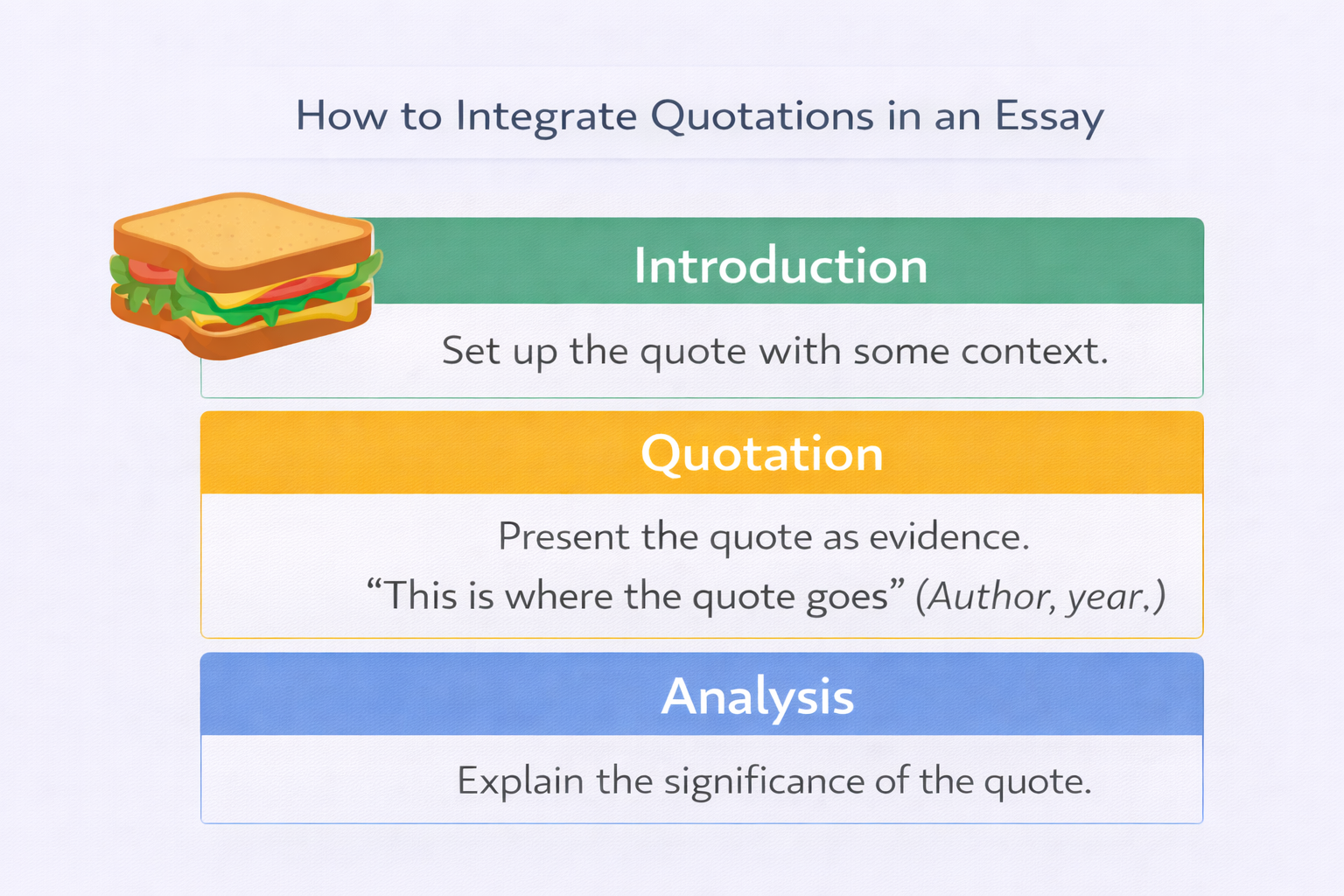
Overuse of quotations often weakens scholarly voice by obscuring the writer’s own analytical role.
Managing Authorial Stance
Postgraduate writing requires students to adopt a measured authorial stance. Claims should be precise and defensible rather than absolute or speculative.
Effective writers use cautious language where appropriate, signalling awareness of limitations without undermining authority.
This balance strengthens credibility in the eyes of examiners.
Postgraduate Academic Writing and Use of Literature
At postgraduate level, literature use shifts from supporting content to shaping argument. Sources are selected strategically to frame debates, justify methods, and contextualise findings.
Literature reviews are expected to be analytical and thematic rather than descriptive. Simply summarising studies rarely meets postgraduate standards.
Effective integration of literature demonstrates both breadth of reading and depth of understanding.
Methodological Writing at Postgraduate Level
Methodology sections in postgraduate academic writing require explicit justification of research design. Examiners assess not only what methods were used, but why they were appropriate.
This includes consideration of alternatives, limitations, and ethical implications. Methodological transparency is a key marker of postgraduate-level rigour.
Weak methodology writing often undermines otherwise strong analysis.
Structure and Coherence in Postgraduate Assignments
Although postgraduate writing allows greater structural flexibility, coherence remains essential. Each section must contribute clearly to the overall argument.
Headings should guide the reader through the logic of the discussion rather than merely label content areas. Transitions between sections are especially important in longer postgraduate assignments.
Clear structure supports examiner comprehension and strengthens perceived academic control.
Common Challenges in Postgraduate Academic Writing
Many students encounter similar difficulties when developing postgraduate writing skills. These challenges are often developmental rather than indicative of lack of ability.
- Overly descriptive writing with limited analysis
- Unclear or overly broad research focus
- Weak integration of literature
- Inconsistent academic tone
- Insufficient justification of methods or claims
Recognising these patterns early allows students to address them strategically.
Critical warning: Descriptive writing rarely meets postgraduate assessment criteria, even when well-referenced.
Editing and Refinement at Postgraduate Level
Revision plays a particularly important role in postgraduate academic writing. Initial drafts often contain strong ideas that are obscured by unclear structure or imprecise language.
Editing should focus first on argument coherence and clarity before addressing sentence-level issues. Refinement improves not only readability, but analytical impact.
Many students benefit from professional support such as proofreading and editing services to identify issues that are difficult to see independently.
Postgraduate Writing in Dissertations and Major Projects
Dissertations and theses represent the highest form of postgraduate academic writing. They require sustained argumentation, extensive literature engagement, and methodological sophistication.
At this level, writing quality is inseparable from research design and structure. Weak writing often reflects conceptual problems rather than language issues alone.
Guidance on managing extended postgraduate writing is explored further in dissertation writing support, where structure, argument, and academic standards are addressed holistically.
Developing Postgraduate Academic Writing Skills Over Time
Postgraduate academic writing is a skill developed through practice, feedback, and reflection. Early difficulties are common and should be viewed as part of academic progression.
Engaging actively with supervisor feedback, analysing high-quality journal articles, and revising iteratively all contribute to improvement.
Confidence grows as students learn to trust their analytical judgement and academic voice.
Approaching Postgraduate Academic Writing with Confidence
Postgraduate academic writing is demanding, but it is also learnable. Understanding expectations transforms writing from an opaque challenge into a structured academic practice.
By focusing on critical engagement, coherent argumentation, and disciplined use of evidence, students can meet and exceed postgraduate standards.
When approached strategically, postgraduate academic writing becomes not just a requirement for assessment, but a foundation for scholarly and professional development.


Comments