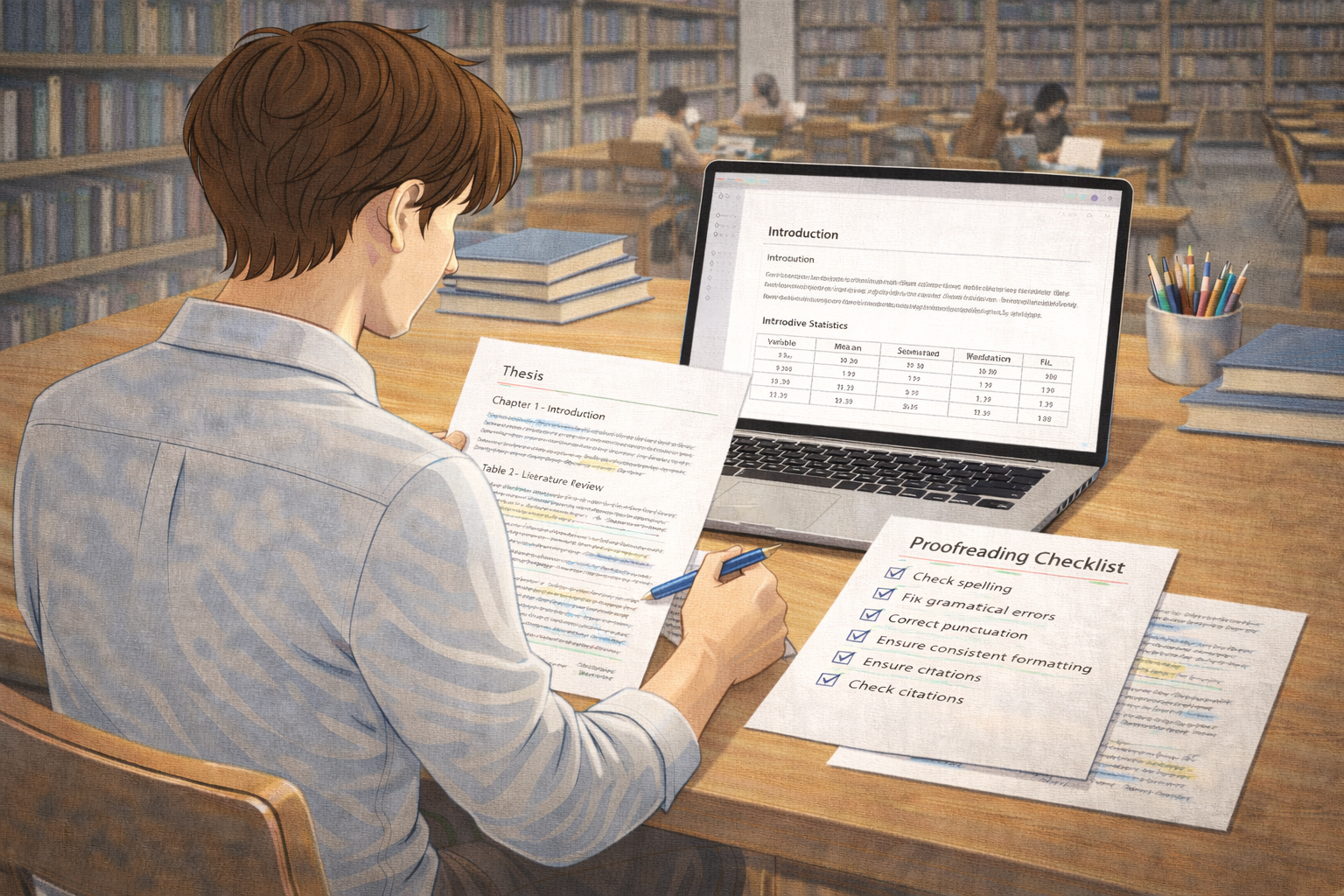
Formatting a thesis is not a cosmetic exercise; it is a formal academic requirement that directly affects assessment outcomes and acceptance for submission. Universities impose strict thesis formatting guidelines to ensure consistency, readability, and archival standards across disciplines.
Many students underestimate formatting until the final stages of writing, only to discover that margins, headings, pagination, or referencing do not comply with institutional rules. These errors can delay submission, trigger resubmission requests, or result in unnecessary mark deductions.
This guide explains thesis formatting guidelines in a structured, practical way. It focuses on universal academic expectations while recognising that specific institutions may apply additional rules. Students should always cross-check this guidance with their faculty handbook.
Why Thesis Formatting Guidelines Matter
Thesis formatting guidelines exist to support academic clarity and administrative consistency. Examiners assess not only the quality of research but also the student’s ability to follow formal academic conventions.
Proper formatting improves readability by creating predictable visual structure. It allows examiners to navigate chapters, tables, and references efficiently, which directly influences how arguments are interpreted.
Examiner expectation: A thesis that ignores formatting guidelines signals poor academic discipline, regardless of research quality.
In many universities, failure to meet formatting standards can result in automatic corrections before grading even begins.
Standard Page Layout Requirements
Most institutions apply similar baseline layout rules across disciplines. These requirements ensure printed and digital copies remain legible and suitable for long-term storage.
While minor variations exist, students should expect strict enforcement of margins, spacing, and alignment.
| Element | Standard Requirement | Academic Purpose |
|---|---|---|
| Margins | 1 inch (2.54 cm) on all sides | Binding and readability |
| Line spacing | Double-spaced body text | Examiner annotation |
| Font | Times New Roman, 12-point | Standardisation |
| Alignment | Left-aligned (not justified) | Clean text flow |
Always verify whether your department allows alternatives such as Arial or Calibri, as some STEM faculties permit different fonts.
Title Page and Front Matter Structure
The title page is the formal entry point of the thesis and must follow strict institutional order. Errors here are among the most common reasons for administrative rejection.
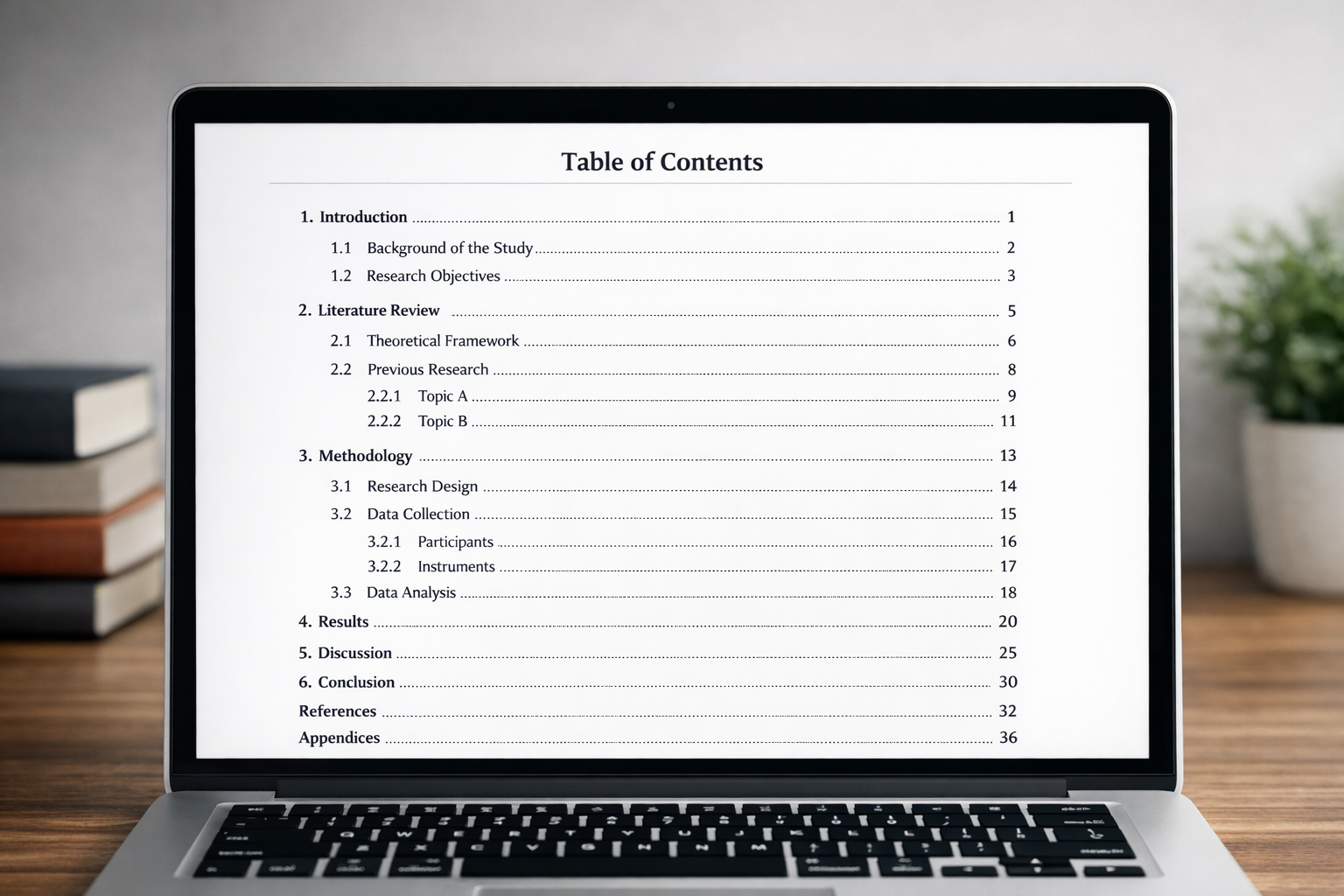
Front matter typically includes the title page, abstract, acknowledgements, table of contents, and lists of figures or tables. These sections use Roman numerals for page numbering.
- Title of the thesis (centred and capitalised)
- Student name and registration number
- Degree programme and institution
- Submission date
Each element must appear in the correct sequence and spacing as defined by university policy.
Chapter Structure and Heading Hierarchy
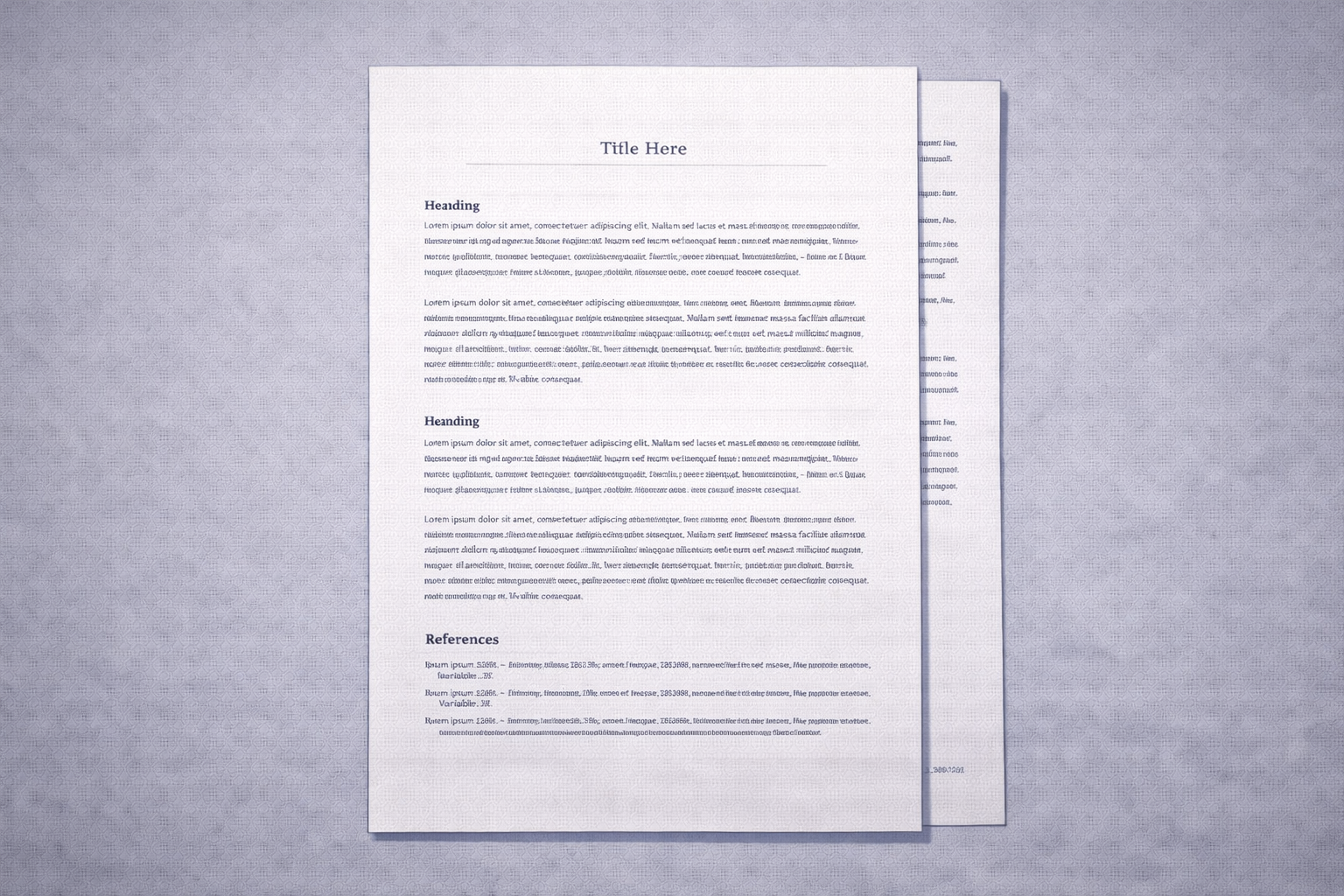
Thesis chapters must follow a clear hierarchy of headings that reflects logical progression. Inconsistent heading levels confuse readers and weaken structural coherence.
Most universities expect numbered chapters with consistent subheading styles throughout the document.
Typical Thesis Chapter Order
While exact titles may vary by discipline, the following structure is widely accepted:
- Introduction
- Literature Review
- Methodology
- Results / Findings
- Analysis / Discussion
- Conclusion
Each chapter should begin on a new page, and headings must use consistent font size and spacing.
Formatting Tables and Figures in a Thesis
Tables and figures must be formatted consistently and positioned close to their first reference in the text. They should never appear without explanation.
All tables and figures must be numbered sequentially within chapters or across the entire thesis, depending on institutional rules.
Critical rule: Every table and figure must be introduced and interpreted in the text.
| Component | Formatting Rule | Common Error |
|---|---|---|
| Table title | Above the table | Placed below |
| Figure caption | Below the figure | Missing caption |
| Source note | Below table/figure | Embedded in text |
Consistency across chapters is more important than stylistic creativity.
Referencing and Citation Formatting
Theses must use the referencing style specified by the department, commonly APA, Harvard, Chicago, or MLA. Mixing styles is unacceptable.
In-text citations and reference lists must align precisely with formatting rules for punctuation, italics, and ordering.
Warning: Incorrect referencing is treated as an academic integrity issue, not a formatting error.
Pagination and Section Breaks
Pagination rules differ between front matter and the main body. Roman numerals are used before Chapter 1, while Arabic numerals begin with the introduction.
Page numbers are usually placed in the top right or bottom centre, depending on institutional policy.
Appendices and Supplementary Materials
Appendices contain supporting materials that are too detailed for the main body, such as questionnaires, extended data tables, or technical diagrams.
Each appendix must be labelled clearly (Appendix A, Appendix B) and referenced in the main text.
Final Thesis Formatting Checklist
Before submission, students should complete a final formatting audit:
- Margins, font, and spacing checked
- Heading hierarchy consistent
- Tables and figures numbered and titled
- Pagination correct throughout
- Referencing style applied consistently
This step prevents administrative delays and unnecessary corrections.
Mastering Thesis Formatting with Confidence
Thesis formatting guidelines exist to uphold academic standards and ensure clarity of presentation. While they may seem restrictive, they ultimately support the credibility of your research.
By applying these principles early and reviewing formatting regularly, students can focus on intellectual contribution rather than last-minute technical fixes. Proper formatting is not optional; it is a fundamental component of successful thesis submission.

Comments