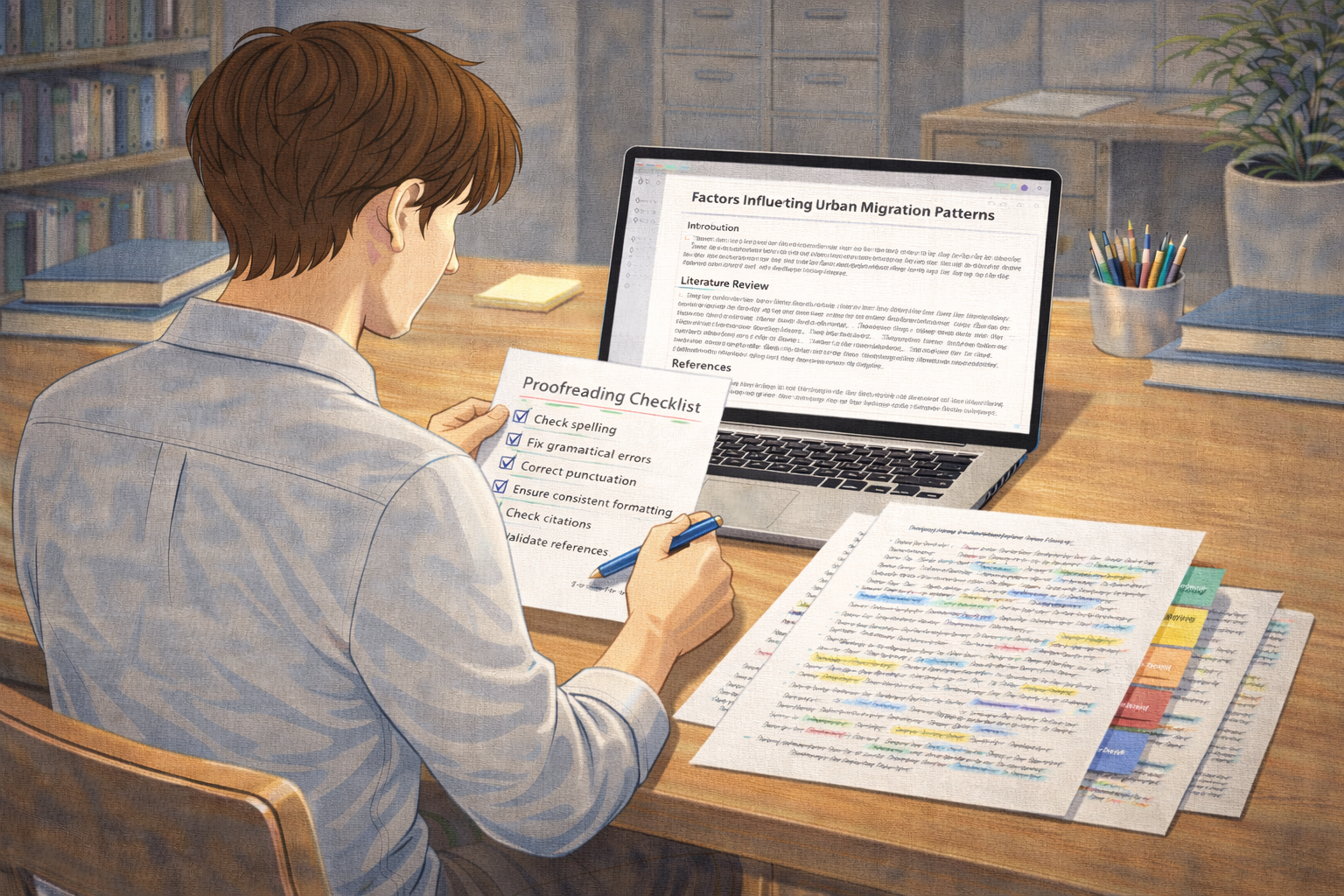
For university students, the difference between a well-written paper and a submission judged careless often comes down to proofreading. Proofreading is not merely scanning for spelling errors; it is a strategic review of content quality, structure, academic tone, referencing accuracy, and formatting compliance. Despite its importance, many students rush through proofreading or treat it as an afterthought, which can compromise grades even when the underlying research is strong.
Using a systematic proofreading checklist before submission elevates academic writing from functional to polished. This checklist supports deeper revision by encouraging students to inspect each element of their work against academic quality standards.
This guide offers a comprehensive proofreading checklist before submission, designed to help students across disciplines submit high-quality, error-free academic writing.
Why a Proofreading Checklist Before Submission Matters
Proofreading is the final stage in the writing process where the essay or report is evaluated as a whole. During this stage, writers ensure that the argument flows logically, that evidence supports claims, and that all components — from title page to references — meet assignment criteria.
Examining a paper with a checklist prevents reactive editing, where writers fix only obvious surface errors. Instead, a checklist supports proactive revision that improves clarity, accuracy, and academic professionalism.
Academic principle: Proofreading assesses both form and content; it is not limited to eliminating typos.
In many marking rubrics, proofreading quality contributes directly to grades under “academic presentation” or “writing quality.”
Structural Elements to Verify Before Submission
A strong academic paper follows a coherent structure, guiding the reader through argumentation and interpretation. Structural flaws can weaken even the most insightful analysis.
Before submission, students should check that all main structural elements are present and clearly linked.
- Clear thesis statement that aligns with assignment requirements
- Logical progression of paragraphs supporting the central argument
- Effective introduction that situates topic and purpose
- Concluding paragraph summarising insights without introducing new ideas
Structural proofreading ensures that readers — including markers — can follow the author’s line of reasoning without confusion.
Content Accuracy and Academic Rigor
Beyond structure, the substance of a paper must be accurate and academically credible. Errors in content or misinterpretation of sources undermine credibility.
When proofreading content, students should ask:
- Are all claims supported by evidence?
- Have key sources been correctly interpreted?
- Are quotations integrated and explained?
- Is the analysis sufficiently deep rather than descriptive?
Recognising unsupported claims or weak analysis during proofreading allows revision that strengthens the paper’s scholarly contribution.
Language, Style, and Academic Tone
Academic writing requires a specific tone: clear, formal, and objective. Informal language, contractions, or vague phrasing detract from academic professionalism.
Proofreading should include a careful review of sentence clarity, consistency of tense, and precision of vocabulary.
- Avoidance of colloquial expressions
- Consistent academic terminology throughout
- Appropriate use of passive or active voice based on discipline norms
- Clarity in complex sentence constructions
Students often overlook stylistic inconsistencies, but markers notice them as signs of rushed editing.
Referencing and Citation Accuracy
Referencing is a frequent source of deduction when proofreading is neglected. A complete proofreading checklist before submission must include a thorough review of citations and references.
Tasks to check include:
- Every in-text citation matches an entry in the reference list
- Reference list entries are complete and correctly formatted
- Direct quotations include accurate page numbers
- Secondary sources are cited appropriately
Accurate referencing reflects academic integrity and prevents plagiarism concerns. When in doubt, students should consult style guidance such as APA, Harvard, Chicago, or MLA manuals.
Grammar, Spelling, and Punctuation Review
At its core, proofreading is a language check. Grammar and spelling errors distract readers and compromise clarity.
Students should systematically review:
- Subject-verb agreement
- Correct use of apostrophes and commas
- Spelling consistency, especially in technical terms
- Capitalisation norms for titles and academic terminology
Tools such as grammar checkers can assist, but human review remains essential to catch context-specific errors and ensure academic tone.
Formatting and Presentation Checks
Formatting is often dictated by departmental or institutional guidelines. A neglected formatting review can result in lost marks even if content quality is high.
Proofreaders should verify:
- Margins, line spacing, and font meet guidelines
- Page numbering is consistent
- Headings and subheadings follow required hierarchy
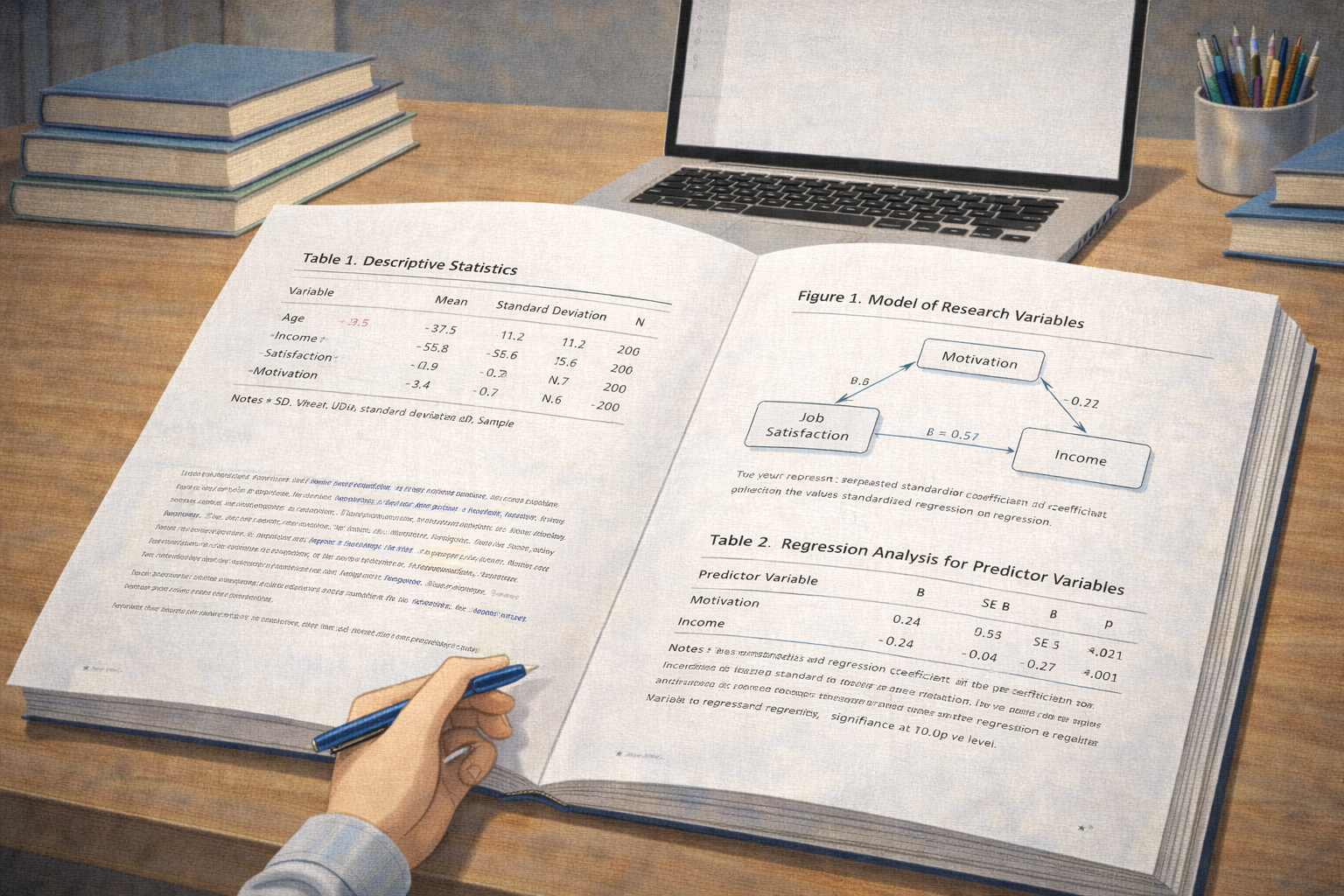
- Tables and figures are numbered and titled correctly
- Appendices are labelled and referenced appropriately
Formatting errors are easily avoidable but frequently overlooked in final drafts.
Checklist: Proofreading Before Submission
The following checklist brings together the core checks students should perform before submitting any academic assignment:
| Area | Task |
|---|---|
| Structure | Thesis statement clear and central; logical paragraph flow |
| Content | Arguments supported with evidence; no factual errors |
| Style | Academic tone consistent; no colloquial language |
| References | All in-text citations match references; no missing sources |
| Grammar & Spelling | No grammar or spelling errors; punctuation consistent |
| Formatting | Layout complies with guidelines; tables/figures labelled |
Using this checklist actively during proofreading improves coherence and minimises avoidable errors.
Practical Proofreading Strategies
Effective proofreading is often deliberate and methodical rather than rushed. Students can adopt strategies that enhance accuracy:
- Proofread on paper as well as on screen to catch more errors
- Read aloud to test sentence clarity
- Take breaks between writing and proofreading
- Use peers or academic support services for additional review
These strategies reduce cognitive bias where writers see what they expect rather than what is actually on the page.
Common Proofreading Pitfalls to Avoid
Even experienced students make predictable errors during proofreading:
- Fixing surface errors while missing deeper structural flaws
- Assuming spell-checkers catch all mistakes
- Proofreading immediately after writing without a break
- Neglecting referencing checks
Awareness of these pitfalls helps students approach proofreading more strategically.
Final Guidance Before Submission
Proofreading is a necessary step in academic writing that separates polished, professional work from submissions that underperform due to avoidable errors. A comprehensive proofreading checklist before submission supports deeper revision and ensures work reflects the student’s true intellectual effort.
By following structured checks for content integrity, academic tone, referencing accuracy, and formatting compliance, students can submit work with confidence and credibility.
Remember: Effective proofreading is not optional — it is integral to scholarly communication.

Comments