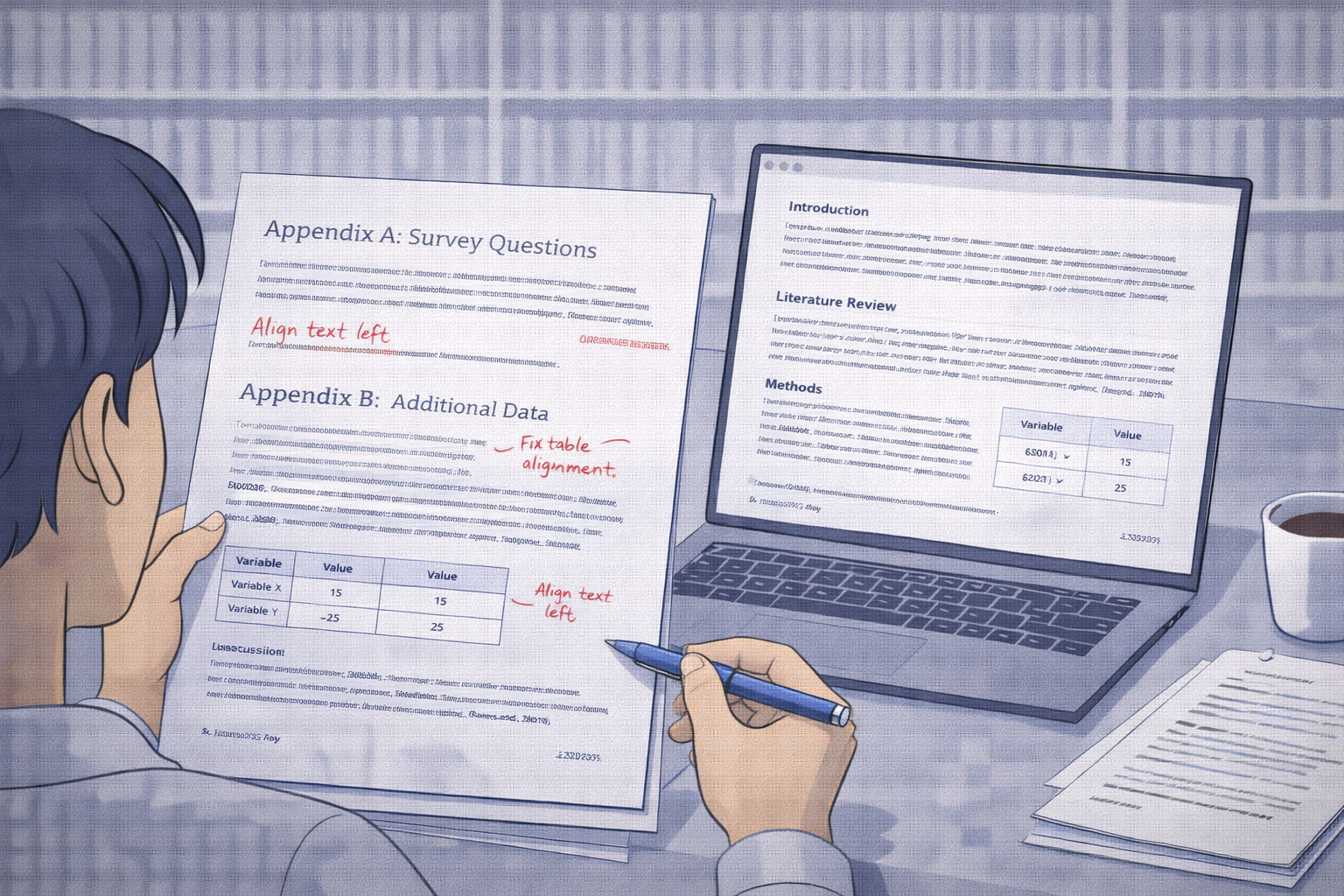
Appendices are designed to support academic work, not to complicate it. When used correctly, they provide transparency, methodological depth, and evidential backing without disrupting the flow of the main argument. However, appendix formatting mistakes are among the most frequent technical issues flagged by examiners, particularly in research-based assignments, dissertations, and final-year projects.
Many students assume appendices are informal or optional sections that receive little scrutiny. In reality, poorly formatted appendices can undermine otherwise strong work by signalling weak academic control, lack of attention to detail, or misunderstanding of assessment conventions. This article focuses specifically on appendix formatting mistakes, explaining why they occur, how examiners interpret them, and what students should do to avoid them in university-level writing.
Why Appendix Formatting Errors Matter to Examiners
From an examiner’s perspective, appendices are functional tools. They allow verification of claims made in the main text, demonstrate ethical and methodological transparency, and show how data were generated or analysed. When appendices are disorganised or incorrectly formatted, the examiner’s ability to evaluate the work efficiently is compromised.
Appendix formatting mistakes also disrupt navigability. If an examiner cannot easily locate “Appendix B” because it is mislabelled, embedded mid-text, or inconsistently referenced, frustration replaces evaluation. While such errors may appear minor to students, they often contribute to lower marks under criteria such as “presentation,” “structure,” or “academic conventions.”
These expectations align with broader academic structure principles outlined in research paper structure and format guidance, where coherence, signposting, and document control are central to academic quality.
Using Appendices as a Storage Space for Unused Content
One of the most serious appendix formatting mistakes is treating the appendix as a dumping ground for material that does not fit into the main body. Students sometimes include loosely related readings, excessive raw data, or abandoned drafts in the appendix in the hope that it will impress the examiner.
This approach backfires. Examiners expect appendices to contain only material that directly supports or substantiates points made in the main text. Irrelevant appendices signal poor judgement and raise questions about the student’s ability to prioritise academically meaningful content.
A well-constructed appendix is selective and purposeful. Every item included should be clearly referenced in the main text and should exist to enhance transparency, not to inflate perceived effort.
Examiner expectation: If an appendix is not clearly relevant and referenced in the text, it may be ignored entirely during marking.
Incorrect Labelling and Numbering of Appendices
Incorrect labelling is one of the most common appendix formatting mistakes across disciplines. Students frequently mix numbering systems, referring to “Appendix 1” in the text while labelling the section itself as “Appendix A.” Others fail to label appendices at all, assuming their position at the end of the document is sufficient.
Standard academic convention requires appendices to be labelled using capital letters in sequence: Appendix A, Appendix B, Appendix C, and so on. Each appendix must begin on a new page and include both the label and a descriptive title. Consistency is essential; once a system is chosen, it must be applied throughout the document.
These labelling rules are not cosmetic. They allow examiners to cross-reference efficiently and assess whether supporting material genuinely underpins the argument presented.
Failing to Reference Appendices in the Main Text
An appendix that is never mentioned in the main body of an assignment is, academically speaking, invisible. One of the most damaging appendix formatting mistakes is including appendices without directing the reader to them at the relevant analytical moment.
Each appendix should be explicitly referenced in the text using its correct label, for example “(see Appendix A).” This reference should appear where the appendix adds value, such as after a methodological explanation or a summary of results that are presented in full in the appendix.
Equally problematic is over-referencing. Constantly directing the reader to appendices for basic understanding interrupts flow and suggests weak integration between analysis and evidence.
Placing Core Analysis or Results in the Appendix
Students sometimes misuse appendices to avoid explaining complex material in the main text. This results in core analysis, key findings, or essential theoretical explanations being hidden away in appendices rather than integrated into the argument.
From an academic standpoint, this is a structural error rather than a formatting one, but it is closely linked to appendix misuse. Appendices should contain supporting material, not central claims or interpretations. Examiners expect the main body to stand alone as a coherent, analytically complete piece of writing.
Where data tables or technical outputs are extensive, a summary should appear in the main text, with the full version placed in the appendix and clearly referenced. This approach balances clarity with depth.
Inconsistent Formatting Within Appendices
Another frequent appendix formatting mistake is internal inconsistency. Students may format tables differently across appendices, switch fonts, or apply inconsistent spacing and heading styles. These inconsistencies suggest rushed compilation or lack of proofreading.
Appendices are part of the same academic document as the main body and should follow the same formatting logic. Headings, font size, line spacing, and citation style should remain consistent unless specific institutional guidelines state otherwise.
Careful proofreading of appendices is therefore just as important as proofreading the main chapters, a point reinforced in academic proofreading and editing support, where presentation errors are recognised as frequent mark-limiting factors.
Common Appendix Formatting Mistakes and Their Academic Impact
The table below summarises frequent appendix formatting mistakes and explains why they negatively affect academic assessment.
| Formatting Mistake | Description | Academic Impact |
|---|---|---|
| Unlabelled appendices | Appendices included without clear labels or titles | Examiner may ignore content or penalise presentation |
| No in-text references | Appendices not cited in the main body | Supporting evidence considered irrelevant |
| Mixed numbering systems | Using letters and numbers inconsistently | Confusion and reduced academic credibility |
| Core analysis in appendix | Key arguments placed outside main text | Weakened argument and lower analytical marks |
This comparison highlights that appendix formatting mistakes are rarely trivial. They affect how examiners read, interpret, and ultimately judge academic work.
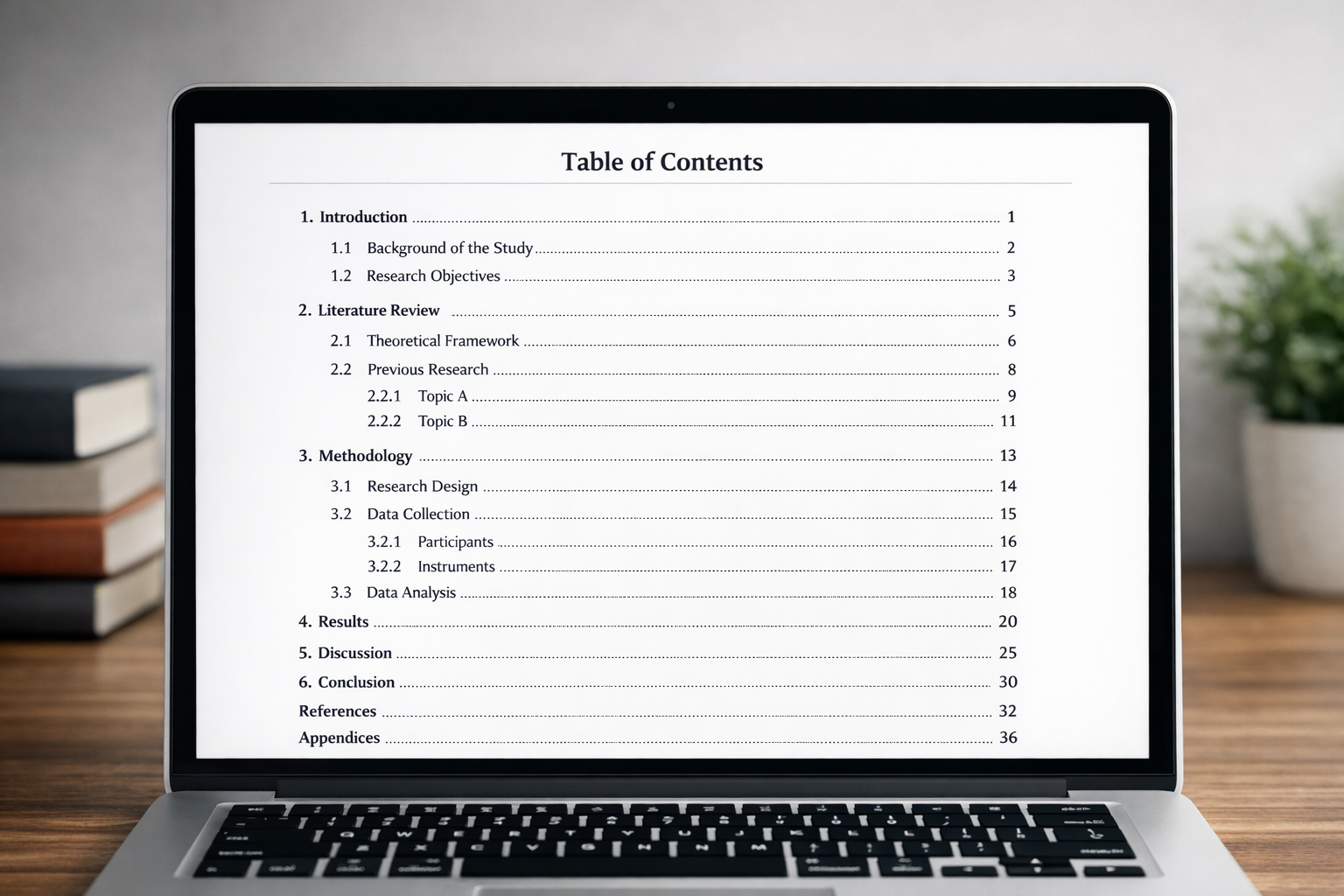
Appendix Formatting Mistakes in Dissertations and Large Projects
In dissertations and extended research projects, appendix formatting mistakes become more visible due to volume. Multiple appendices, large datasets, and technical documentation increase the risk of mislabelling, inconsistency, and poor integration.
Universities often require separate lists of appendices in such projects, making accuracy even more important. A single mislabelled appendix can cascade into multiple referencing errors across chapters.
Students undertaking major research projects should approach appendices as part of the overall structural design, not as an afterthought. This approach aligns with expectations outlined in dissertation writing guidance, where structure, clarity, and academic control are critical assessment criteria.
How to Avoid Appendix Formatting Mistakes Before Submission
Preventing appendix formatting mistakes requires deliberate checking rather than last-minute assembly. Students should review appendices systematically, ensuring each one has a clear purpose, correct label, and accurate in-text reference.
A useful final check is to ask whether the main text still makes sense if the appendices are removed. If it does not, the appendix content may be too central and should be integrated into the body instead.
Critical reminder: Appendices support academic arguments; they do not carry them.
Presenting Appendices with Academic Confidence
Appendix formatting mistakes are avoidable when students understand the academic function of appendices and apply conventions consistently. Clear labelling, selective inclusion, and purposeful referencing transform appendices from a liability into an asset.
By treating appendices as an integral part of academic structure rather than an optional extra, students demonstrate organisational skill, methodological transparency, and respect for scholarly conventions. These qualities contribute quietly but significantly to stronger academic outcomes.

Comments