
Compare and contrast essays are a foundational genre in university writing because they require more than description. Students must demonstrate analytical thinking by identifying meaningful similarities and differences between two or more subjects and explaining why those comparisons matter in an academic context.
Many students struggle with this essay type not because they lack ideas, but because they are unsure how to structure comparisons, integrate evidence, or maintain balance between the subjects. This article provides clear compare and contrast essay examples, explains accepted academic structures, and highlights what instructors look for in high-quality comparative writing.
What Is a Compare and Contrast Essay in Academic Writing
A compare and contrast essay is an analytical piece of writing that examines two or more subjects by identifying their similarities and differences. The purpose is not simply to list traits, but to evaluate relationships, patterns, and implications between the subjects being compared.
At university level, instructors expect comparisons to be selective and purposeful. Students must focus on relevant criteria linked to the essay question rather than attempting to compare everything about the subjects.
Academic definition: A compare and contrast essay evaluates similarities and differences between subjects to reveal deeper insight, relationships, or significance.
Common Structures Used in Compare and Contrast Essay Examples
Successful compare and contrast essay examples follow clear organisational patterns. Choosing the correct structure helps maintain clarity and prevents unbalanced or repetitive analysis.
Block Structure Method
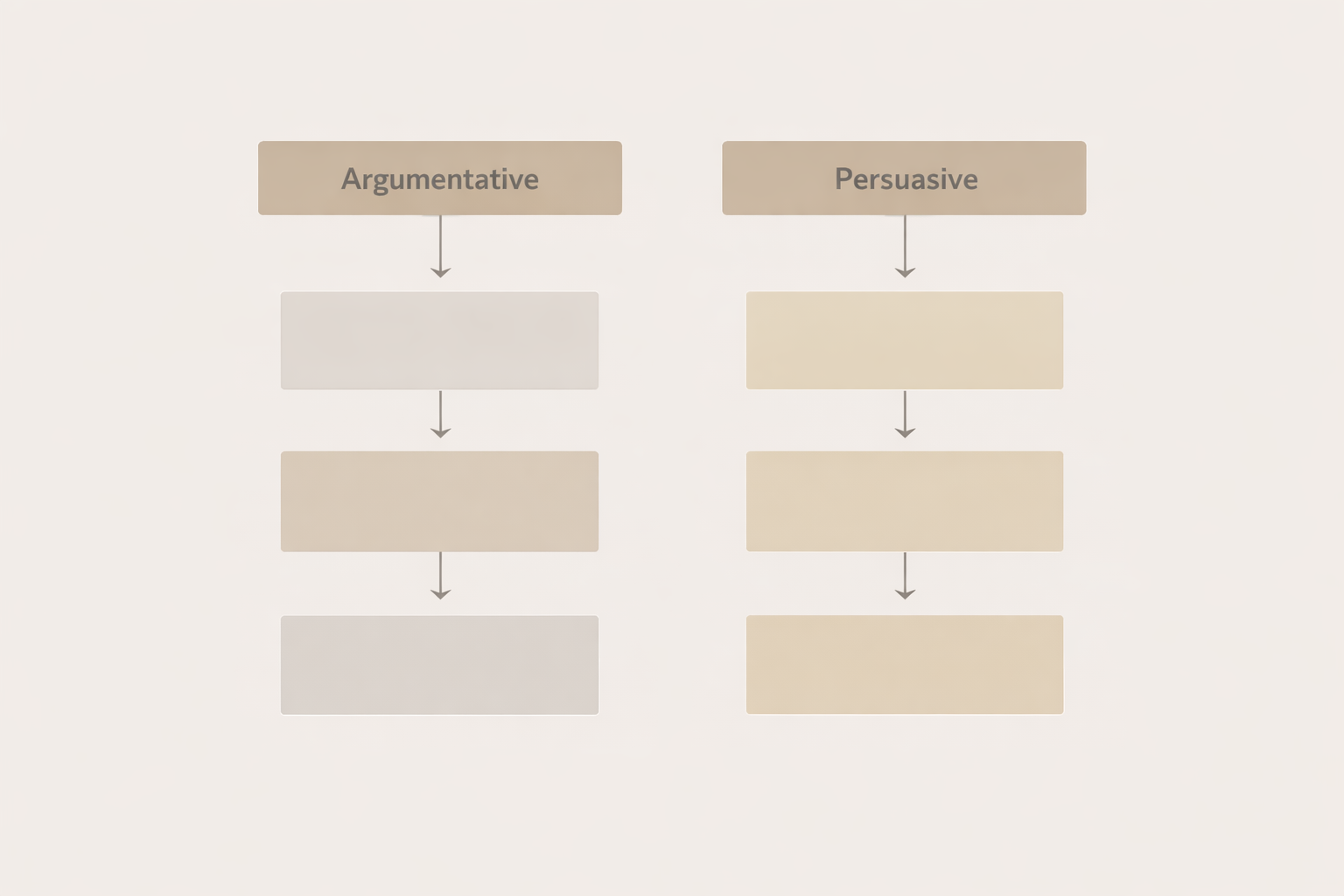
The block method discusses one subject in full before moving on to the second subject. Each block covers the same criteria in the same order to allow implicit comparison.
This structure is often used in shorter essays or when the subjects are complex and require detailed explanation before comparison.
Point-by-Point Structure Method
The point-by-point method alternates between subjects for each criterion. Instead of separate blocks, each paragraph compares the subjects directly based on a single point.
This structure is preferred in most university assignments because it encourages direct analytical comparison rather than descriptive summary.
| Structure | Main Feature | Best Used When |
|---|---|---|
| Block method | Subjects discussed separately | Subjects are complex or unfamiliar |
| Point-by-point | Direct comparison by criteria | Analytical depth is required |
Most high-scoring compare and contrast essay examples at college level use the point-by-point method due to its analytical clarity.
Compare and Contrast Essay Example: Literature Analysis
In literature courses, students are often asked to compare two texts, characters, or themes. A strong essay example focuses on analytical criteria such as narrative technique, symbolism, or character development.
Essay topic example: Compare and contrast the presentation of ambition in Shakespeare’s Macbeth and Marlowe’s Doctor Faustus.
A high-quality response would not merely summarise both plays. Instead, it would analyse how ambition motivates characters, how consequences differ, and what each playwright suggests about moral responsibility.
Examiner expectation: Literary comparisons must engage with textual evidence and interpretative insight, not plot summary.
Compare and Contrast Essay Example: Education and Learning
Education-related compare and contrast essay examples are common in social science and education programmes. These essays often compare systems, methods, or learning environments.
Essay topic example: Compare and contrast online learning and traditional classroom education in higher education.
A strong essay would examine criteria such as student engagement, accessibility, learning outcomes, and instructor interaction. Each criterion should be supported by academic studies or institutional data.
Compare and Contrast Essay Example: Science and Technology
In science and technology courses, compare and contrast essays often focus on models, theories, or technological solutions. Precision and evidence are critical.
Essay topic example: Compare and contrast renewable and non-renewable energy sources as solutions to climate change.
Rather than listing advantages and disadvantages, an effective essay analyses efficiency, sustainability, environmental impact, and long-term feasibility.
How to Write Effective Body Paragraphs in Compare and Contrast Essays
Each body paragraph should focus on one clear comparison point. Mixing multiple criteria in a single paragraph often leads to confusion and weak analysis.
An effective paragraph begins with a topic sentence that signals the comparison, followed by evidence for each subject, and ends with analytical commentary explaining why the comparison matters.
- Introduce the comparison point clearly
- Present evidence for Subject A
- Present evidence for Subject B
- Analyse similarities or differences
This structure ensures balance and prevents one subject from dominating the discussion.
Common Mistakes Seen in Compare and Contrast Essay Examples
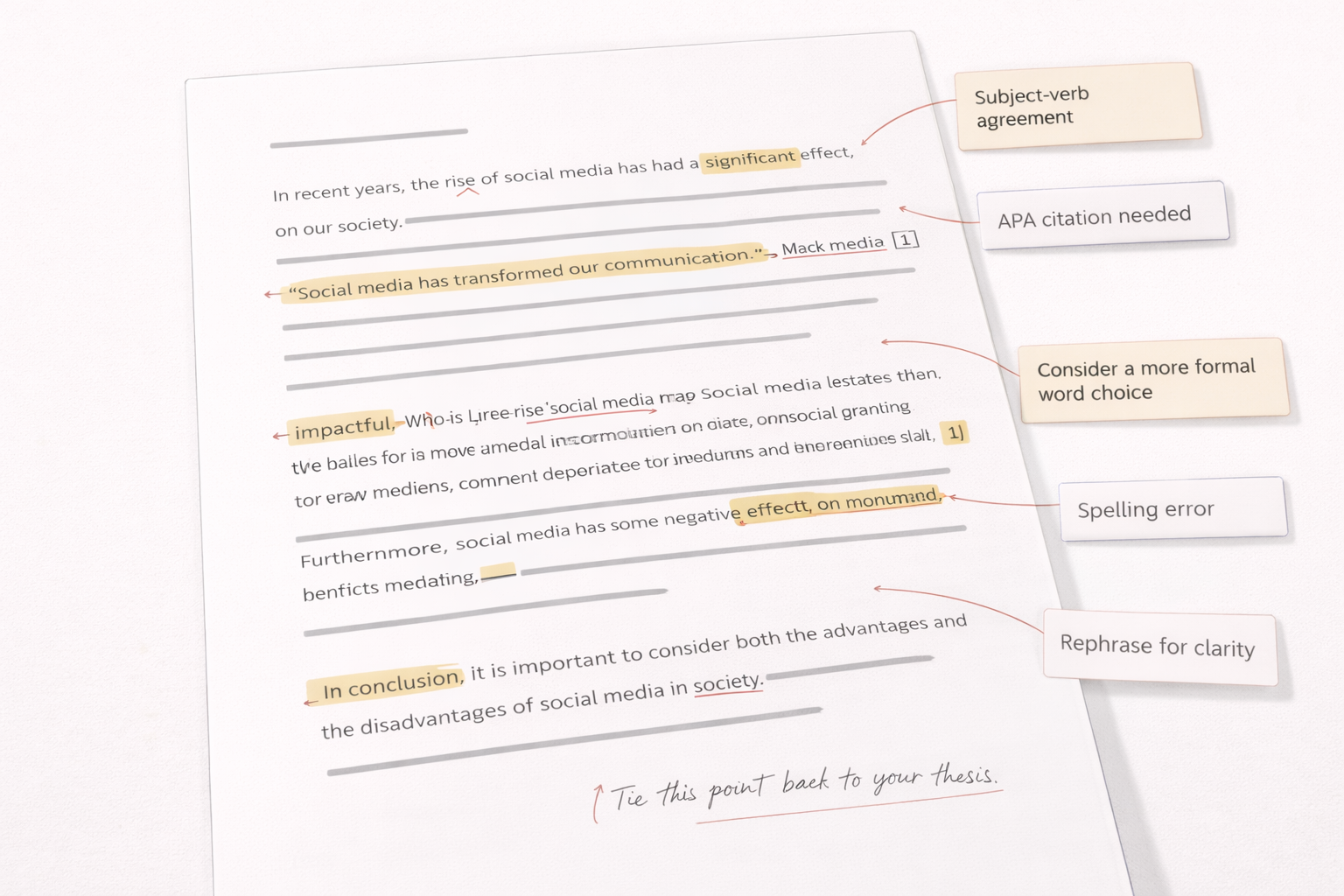
One frequent mistake is descriptive writing without analysis. Students often describe similarities and differences but fail to explain their significance.
Critical warning: Listing similarities and differences without interpretation results in low analytical marks.
Other common errors include inconsistent comparison criteria, unequal coverage of subjects, and unclear thesis statements.
Writing a Strong Thesis for a Compare and Contrast Essay
The thesis statement is the analytical anchor of the essay. It should indicate both the subjects being compared and the basis of comparison.
Rather than stating that two things are similar and different, a strong thesis explains the insight gained from the comparison.
Weak thesis: Online learning and classroom learning have similarities and differences.
Strong thesis: While online and classroom learning both aim to support academic achievement, they differ significantly in student engagement and accessibility, shaping learning outcomes in distinct ways.
Using Evidence in Compare and Contrast Essay Examples
Academic compare and contrast essays must be evidence-based. Claims should be supported by scholarly sources, empirical data, or primary texts, depending on the discipline.
Effective use of evidence strengthens credibility and demonstrates academic research skills.
Instructor guidance: Evidence should be integrated analytically, not inserted as standalone quotations.
Final Guidance on Compare and Contrast Essay Examples
Strong compare and contrast essay examples demonstrate clarity of structure, balance between subjects, and depth of analysis. They move beyond description to show why similarities and differences matter academically.
By applying structured comparison methods, developing analytical thesis statements, and supporting arguments with credible evidence, students can produce high-quality compare and contrast essays that meet university assessment standards.

Comments