The content analysis research method is one of the most versatile and widely used qualitative and quantitative research approaches in social sciences, media studies, psychology, education, business, and health research. At its core, content analysis enables researchers to systematically examine texts, documents, media, or communication artefacts to identify patterns, themes, meanings, or frequencies. Unlike purely interpretative approaches, content analysis introduces structured procedures that make textual examination transparent, replicable, and academically defensible.
For university students, content analysis often appears straightforward at first glance — “just analysing text.” However, many struggle with designing coding frameworks, ensuring reliability, distinguishing between qualitative and quantitative content analysis, and writing up findings in a methodologically sound way. This guide provides a structured, academically rigorous explanation of the content analysis research method, helping students move from basic understanding to confident application in dissertations and research projects.
What Is the Content Analysis Research Method?
Content analysis is a systematic research technique used to analyse recorded communication. The communication may include written text, interview transcripts, policy documents, speeches, social media posts, advertisements, news articles, videos, or archival materials. The defining feature of content analysis is its structured and rule-governed coding process, which allows researchers to categorise and interpret data in a transparent and replicable manner.
Content analysis transforms raw communication into organised, meaningful categories through systematic coding.
Unlike purely interpretive methods that focus exclusively on subjective meaning, content analysis can operate along a spectrum. It may be quantitative (counting word frequencies or categories) or qualitative (interpreting themes and contextual meaning). This flexibility makes it particularly useful in undergraduate and postgraduate research where mixed-methods designs are common.
Types of Content Analysis
Understanding the different types of content analysis is crucial for selecting the appropriate design for your research project. Broadly, content analysis can be divided into three main approaches: conventional, directed, and summative.
| Approach | Primary Focus | When to Use | Level of Interpretation |
|---|---|---|---|
| Conventional | Develop categories directly from data | When limited prior theory exists | High |
| Directed | Use existing theory to guide coding | When testing or extending theory | Moderate |
| Summative | Count and compare keywords or content | When examining language use patterns | Variable |
This classification helps students determine whether their project is exploratory, theory-driven, or language-focused. Selecting the wrong approach can weaken the methodological justification of the study, so clarity at the proposal stage is essential.
Qualitative vs Quantitative Content Analysis
Many students confuse qualitative and quantitative content analysis. While both involve systematic coding, their aims differ significantly. Quantitative content analysis focuses on measurable frequencies and statistical relationships. It answers questions such as how often certain themes appear or whether patterns differ across sources.
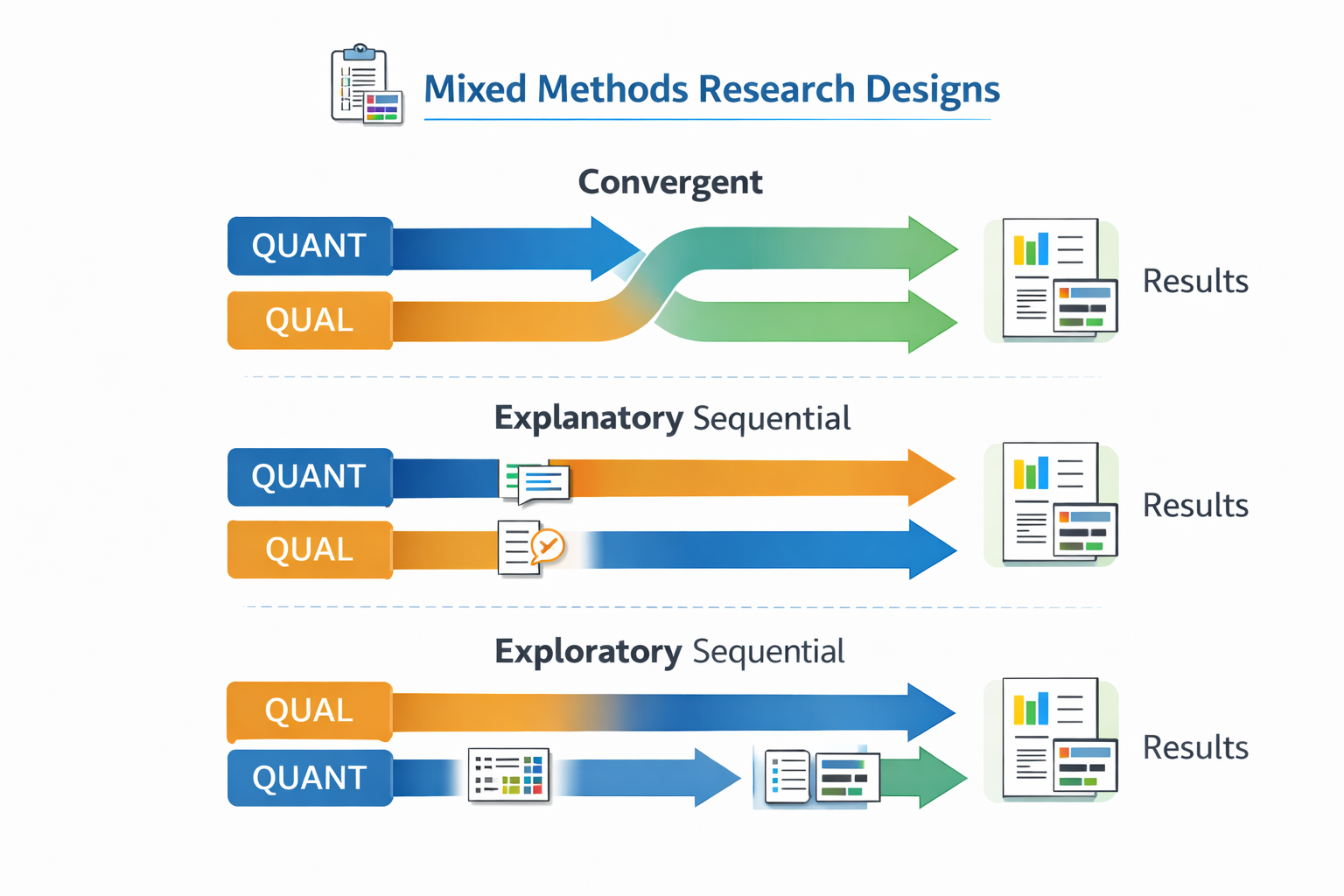
Qualitative content analysis, in contrast, prioritises meaning, context, and interpretation. Instead of counting categories alone, it explores how ideas are constructed, framed, or communicated. In practice, many dissertations combine both approaches to enhance analytical depth and methodological robustness.
- Quantitative content analysis emphasises numerical data and statistical testing.
- Qualitative content analysis emphasises contextual interpretation and thematic development.
- Mixed approaches integrate frequency counts with interpretative explanation.
Choosing between these approaches depends on your research question, theoretical framework, and available data.
Step-by-Step Process of Conducting Content Analysis
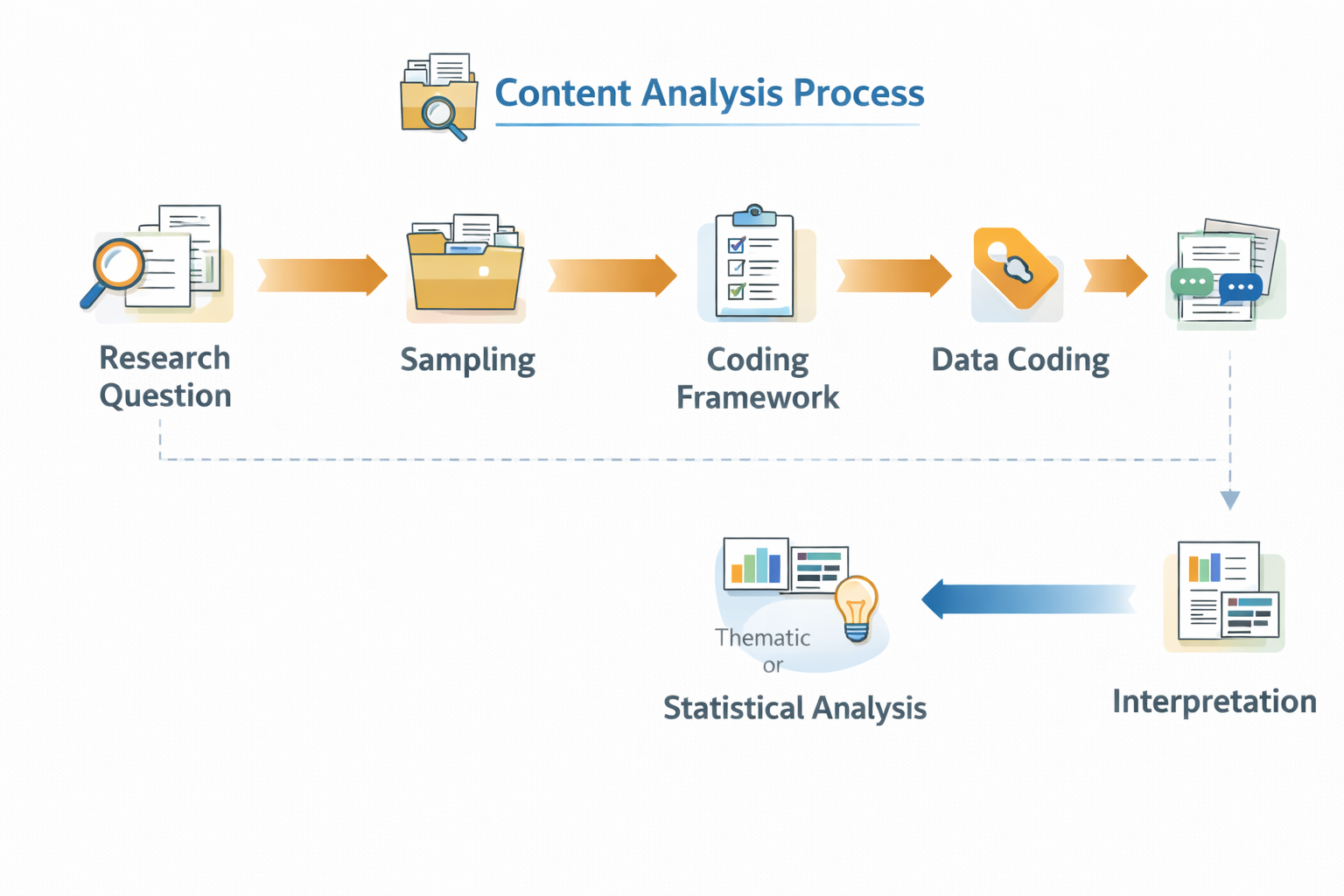
Conducting rigorous content analysis requires structured planning and execution. The process involves clearly defined stages to ensure reliability and transparency.
- Define the research question: Clearly state what you aim to examine and why content analysis is appropriate.
- Select the sample: Identify documents, texts, or media sources based on inclusion criteria.
- Develop coding categories: Create categories based on theory or emergent patterns.
- Construct a coding manual: Define each category with explicit rules.
- Code the data systematically: Apply categories consistently across all materials.
- Analyse and interpret results: Identify patterns, relationships, and implications.
Each step must be documented in the methodology chapter. Failure to describe coding procedures clearly is one of the most common reasons students lose marks in research projects.
Developing a Coding Framework
The coding framework is the backbone of the content analysis research method. It translates abstract research concepts into measurable or identifiable categories. Categories should be mutually exclusive, clearly defined, and aligned with the research objectives.
Categories must be clearly defined and consistently applied — vague coding leads to unreliable findings.
Students should pilot-test their coding framework on a small portion of the data before full implementation. This helps refine ambiguous categories and strengthen methodological reliability.
Ensuring Reliability and Validity
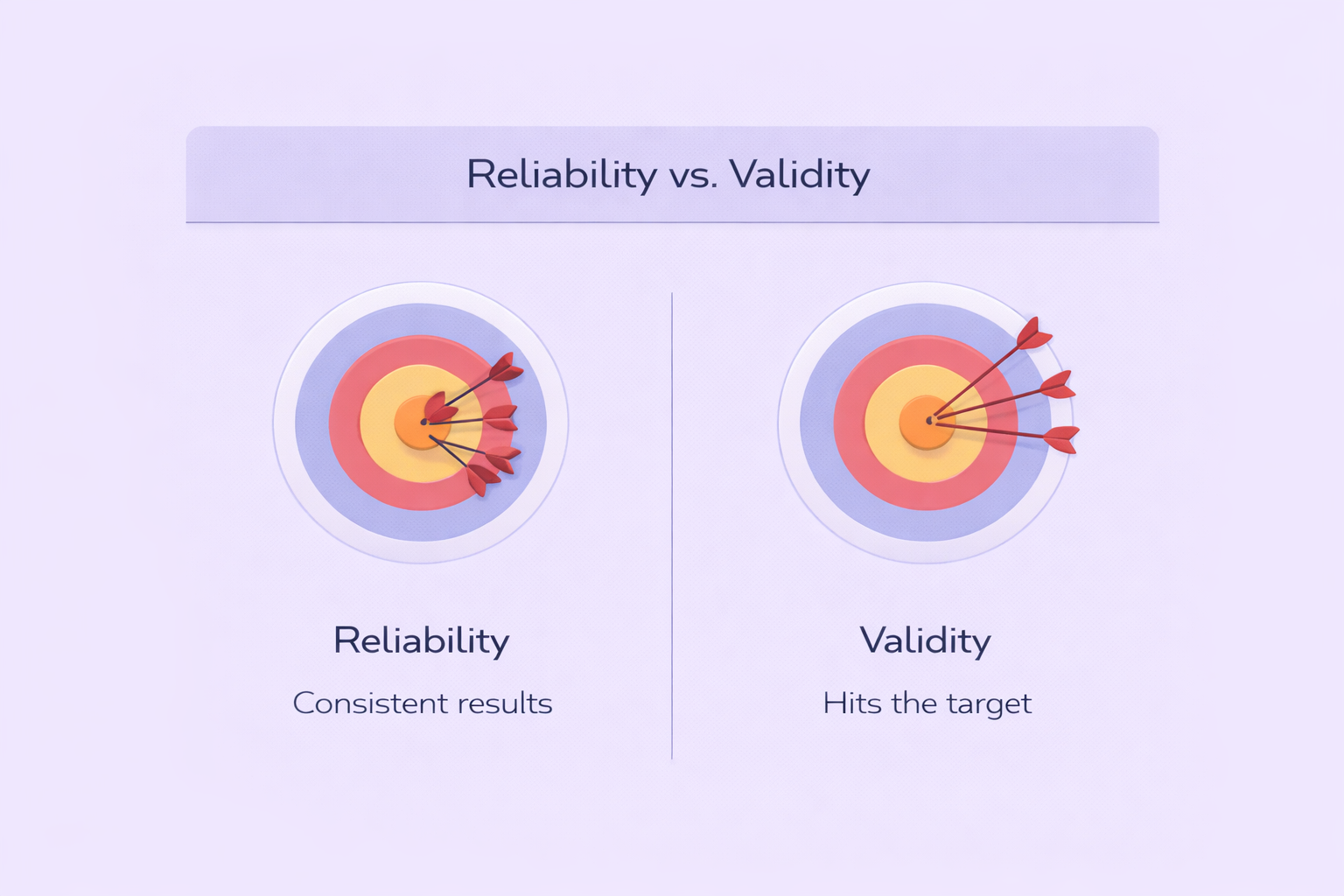
Academic credibility depends on reliability and validity. In quantitative content analysis, intercoder reliability is essential if multiple researchers are involved. Measures such as Cohen’s kappa may be used to assess agreement.
In qualitative content analysis, credibility is strengthened through transparency, reflexivity, and clear documentation of interpretative decisions. Including coding examples in appendices enhances examiner confidence in the analytical process.
Advantages and Limitations of Content Analysis
Like any research method, content analysis has strengths and weaknesses. Recognising these strengthens the critical evaluation section of academic assignments.
| Strengths | Limitations |
|---|---|
| Systematic and replicable | May overlook deeper context |
| Flexible across disciplines | Time-intensive coding process |
| Can combine qualitative and quantitative elements | Risk of researcher bias in interpretation |
Discussing these strengths and limitations demonstrates methodological awareness, which examiners value highly.
Applying Content Analysis in Dissertations and Coursework
Content analysis is frequently used in undergraduate and postgraduate dissertations analysing policy documents, media representation, educational curricula, corporate reports, or online communication. It is especially valuable when primary data collection is impractical or when studying publicly available materials.
When designing dissertation methodology, students should ensure that content analysis is clearly justified, systematically applied, and critically evaluated. If you require structured academic support in refining your methodology chapter, reviewing coding frameworks, or strengthening analytical clarity, professional academic editing and research consultation can significantly enhance your final submission.
Mastering the Content Analysis Research Method for Academic Success
The content analysis research method offers students a powerful framework for analysing communication systematically and rigorously. Its adaptability across qualitative and
Comments