In academic writing, the conclusion is often underestimated. Many students treat it as a brief summary or an afterthought, yet examiners frequently judge the overall quality of an essay by how effectively it concludes. A strong conclusion demonstrates intellectual control, coherence, and confidence in the argument presented.
Learning how to write a strong conclusion for an essay is therefore essential at university level. This article explains what examiners expect from conclusions, how to structure them effectively, and how to avoid the common mistakes that weaken otherwise strong essays.
What Is the Purpose of an Essay Conclusion?
The primary purpose of a conclusion is to bring the essay’s argument to a clear and meaningful close. It synthesises the key points made in the body paragraphs and demonstrates how they collectively support the thesis.
Unlike an introduction, which opens questions and outlines direction, a conclusion resolves discussion. It shows the reader that the argument has reached a logical endpoint and that the writer understands the broader implications of their analysis.
A strong conclusion does not repeat the essay; it demonstrates what the essay has achieved.
Why Conclusions Matter in University Marking
University marking criteria often include coherence, critical understanding, and argument integration. These qualities are most visible in the conclusion, where the student must demonstrate command over the entire essay.
A weak conclusion can undermine strong body paragraphs by making the argument feel unfinished or fragmented. Conversely, a well-written conclusion can elevate an average essay by clarifying significance and academic purpose.
Examiners often read the conclusion to confirm whether the argument truly holds together.
The Core Elements of a Strong Essay Conclusion
Although conclusions vary by discipline, effective academic conclusions share several core elements. These components ensure clarity, relevance, and intellectual closure.
| Component | Academic Function |
|---|---|
| Restated thesis | Reinforces the central argument in refined language |
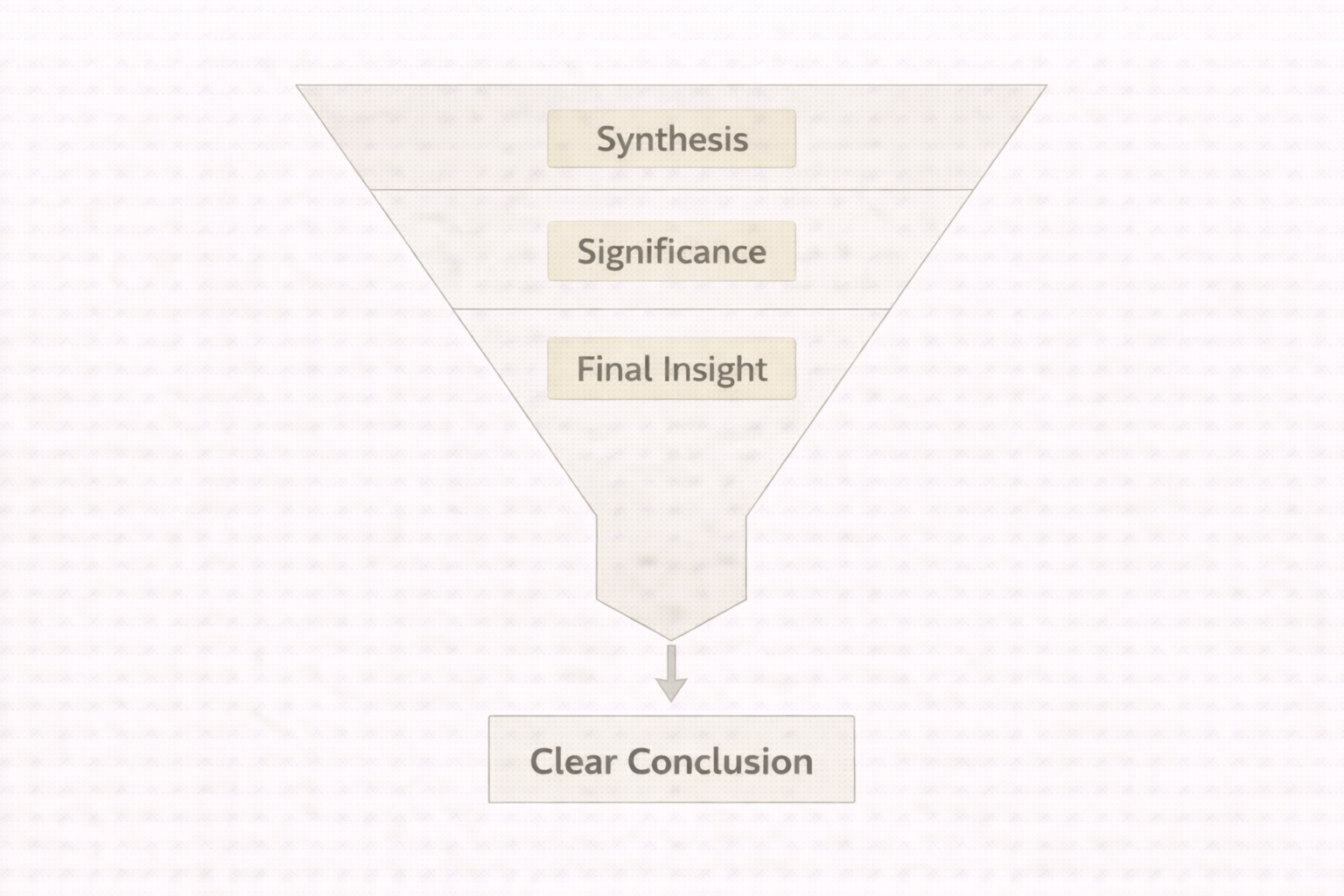
| Synthesis of key points | Shows how main arguments connect |
| Significance | Explains why the argument matters |
| Final insight | Provides intellectual closure |
Each element contributes to a sense of completion and academic maturity.
How to Restate the Thesis Without Repeating It
One of the most common challenges students face is restating the thesis effectively. Simply copying the original thesis statement signals a lack of development.
Instead, the thesis should be reformulated to reflect the depth of analysis achieved in the essay. This refined restatement demonstrates that the argument has been tested, supported, and clarified.
The thesis in the conclusion should sound wiser than it did in the introduction.
Synthesising Key Arguments Effectively
Synthesis involves showing how individual body paragraphs work together to support the overall argument. This is different from listing points in the order they appeared.
An effective synthesis highlights relationships, patterns, or progression between ideas. It reinforces coherence and shows the examiner that the essay was carefully constructed.
Demonstrating Significance and Academic Value
Strong conclusions go beyond summary by addressing why the argument matters. This may involve discussing implications, applications, or contributions to the field.
In many disciplines, significance might relate to policy, practice, theory, or future research. Addressing this element signals higher-level critical thinking.
A conclusion without significance often feels incomplete, regardless of essay length.
Ending with Insight Rather Than New Evidence
Introducing new evidence in a conclusion is a common academic error. Conclusions are not the place for new data, quotations, or detailed examples.
Instead, the final sentences should offer insight, reflection, or perspective drawn from the existing argument. This reinforces closure and avoids destabilising the essay’s structure.
Conclusion Length and Proportion
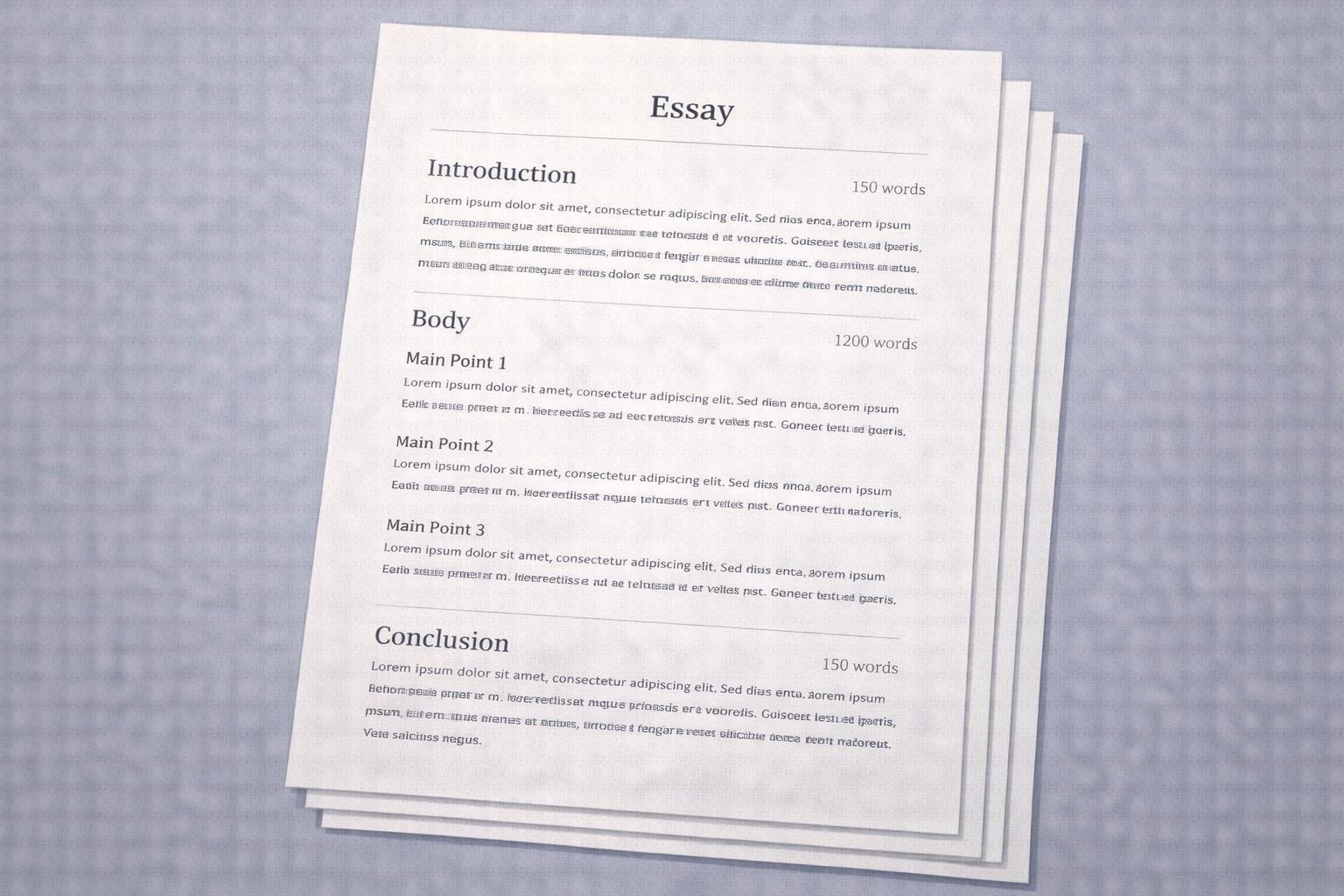
At university level, conclusions typically make up around 10% of the total word count. A conclusion that is too short may appear rushed, while an overly long one may become repetitive.
Effective conclusions are concise but substantial, focusing on synthesis rather than explanation.
Discipline-Specific Expectations for Conclusions
Different academic fields emphasise different aspects of conclusions. Understanding disciplinary norms helps students meet examiner expectations more precisely.
| Discipline | Primary Emphasis in Conclusion |
|---|---|
| Humanities | Interpretive insight and critical reflection |
| Social Sciences | Implications and theoretical contribution |
| Business | Practical application and recommendations |
| Education | Policy relevance and pedagogical impact |
Aligning the conclusion with disciplinary expectations improves clarity and relevance.
Common Mistakes That Weaken Essay Conclusions
Many students lose marks due to avoidable errors in their conclusions. These mistakes often signal uncertainty or weak academic control.
- Repeating the introduction word for word
- Introducing new arguments or evidence
- Ending abruptly without synthesis
- Using informal or emotive language
Awareness of these pitfalls allows students to revise conclusions more effectively.
Revising and Polishing the Conclusion
Effective revision involves checking whether the conclusion truly reflects the essay’s argument. Reading the conclusion immediately after the introduction can help identify gaps or inconsistencies.
Many students strengthen their final drafts by using professional editing and proofreading services, particularly to refine clarity, tone, and coherence.
How a Strong Conclusion Improves Overall Essay Quality
A strong conclusion reinforces the credibility of the entire essay. It leaves the examiner with a clear sense of purpose, coherence, and academic competence.
Students who consistently write strong conclusions often see improvements across multiple marking criteria, including argument quality, structure, and critical insight.
Writing Confident Conclusions for Academic Success
Mastering how to write a strong conclusion for an essay is a key step in academic development. It requires synthesis, reflection, and an understanding of disciplinary expectations.
By focusing on clarity, significance, and intellectual closure, students can ensure their essays end with confidence and authority, reinforcing the strength of their overall argument.
Comments