
Research paper writing sits at the core of academic assessment in higher education. It is the primary method through which universities evaluate a student’s ability to investigate a problem, engage critically with existing scholarship, and present reasoned arguments using evidence. Unlike shorter essays, research papers demand sustained focus, methodological awareness, and strict adherence to academic conventions.
Many students find research paper writing challenging because it combines multiple skills that are often taught separately: research design, literature evaluation, academic argumentation, and formal presentation. Uncertainty about structure, expectations, and standards frequently leads to weak planning or superficial analysis. This guide provides a comprehensive, step-by-step explanation of research paper writing, clarifying what examiners expect and how students can meet those expectations confidently.
What Research Paper Writing Means in an Academic Context
Research paper writing is not simply the act of compiling information from sources. Its primary purpose is to contribute to an academic conversation by addressing a specific research question or problem. This contribution may involve analysing existing theories, evaluating empirical findings, or applying established frameworks to new contexts.
At university level, a research paper demonstrates intellectual independence. Examiners look for evidence that students can move beyond description to analysis, synthesis, and evaluation. This means showing how sources relate to one another and to the central argument, rather than treating them as isolated authorities.
Understanding this distinction helps students avoid a common pitfall: mistaking research papers for extended summaries. Effective research paper writing positions the student as an active participant in scholarly debate.
Selecting and Narrowing a Research Topic
The quality of a research paper is strongly influenced by the clarity of its topic. Broad or vague topics often lead to descriptive writing and unfocused arguments, while overly narrow topics may lack sufficient academic sources. The aim is to identify a focused research problem that can be addressed within the word limit and time constraints.
Topic selection usually involves preliminary reading to identify gaps, tensions, or unresolved issues in the literature. This process allows students to refine an initial idea into a specific research question or thesis statement. A well-defined topic provides direction for every subsequent stage of research paper writing.
Clear topic boundaries also help students make strategic decisions about what to include or exclude, reducing the risk of irrelevant discussion.
Planning the Structure of a Research Paper
Structure is one of the most important yet underestimated aspects of research paper writing. A coherent structure allows readers to follow the argument logically and assess the validity of claims. While disciplinary conventions vary, most research papers follow a clear progression from problem identification to analysis and synthesis.
Effective planning begins with an outline. An outline maps the relationship between sections, ensures balanced coverage, and prevents repetition or gaps in reasoning. It also helps students align each section with the research question.
Detailed structural guidance is explored in research paper structure and format guidance, which explains how organisation directly influences examiner evaluation.
Conducting Academic Research and Source Selection
High-quality research paper writing depends on the use of credible academic sources. Peer-reviewed journal articles, scholarly books, and reputable institutional publications form the foundation of acceptable academic evidence. Sources should be current where required and relevant to the research question.
Effective research involves evaluation, not just collection. Students must assess each source’s methodology, theoretical position, and relevance. This critical approach distinguishes strong research papers from compilations of unrelated literature.
Accurate note-taking and careful record-keeping during this stage reduce the risk of misquotation, citation errors, and unintentional plagiarism later in the writing process.
Integrating Literature with Critical Control
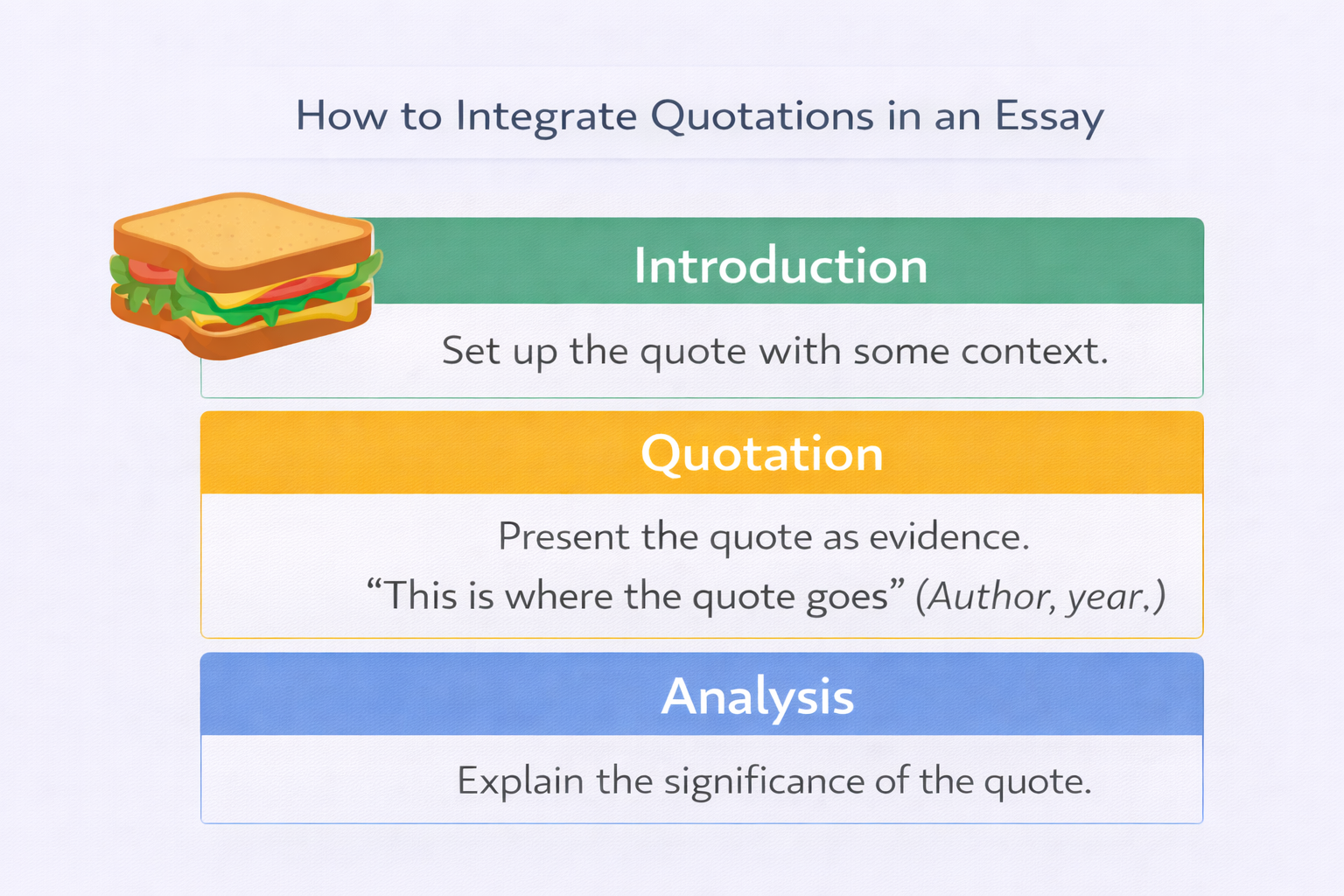
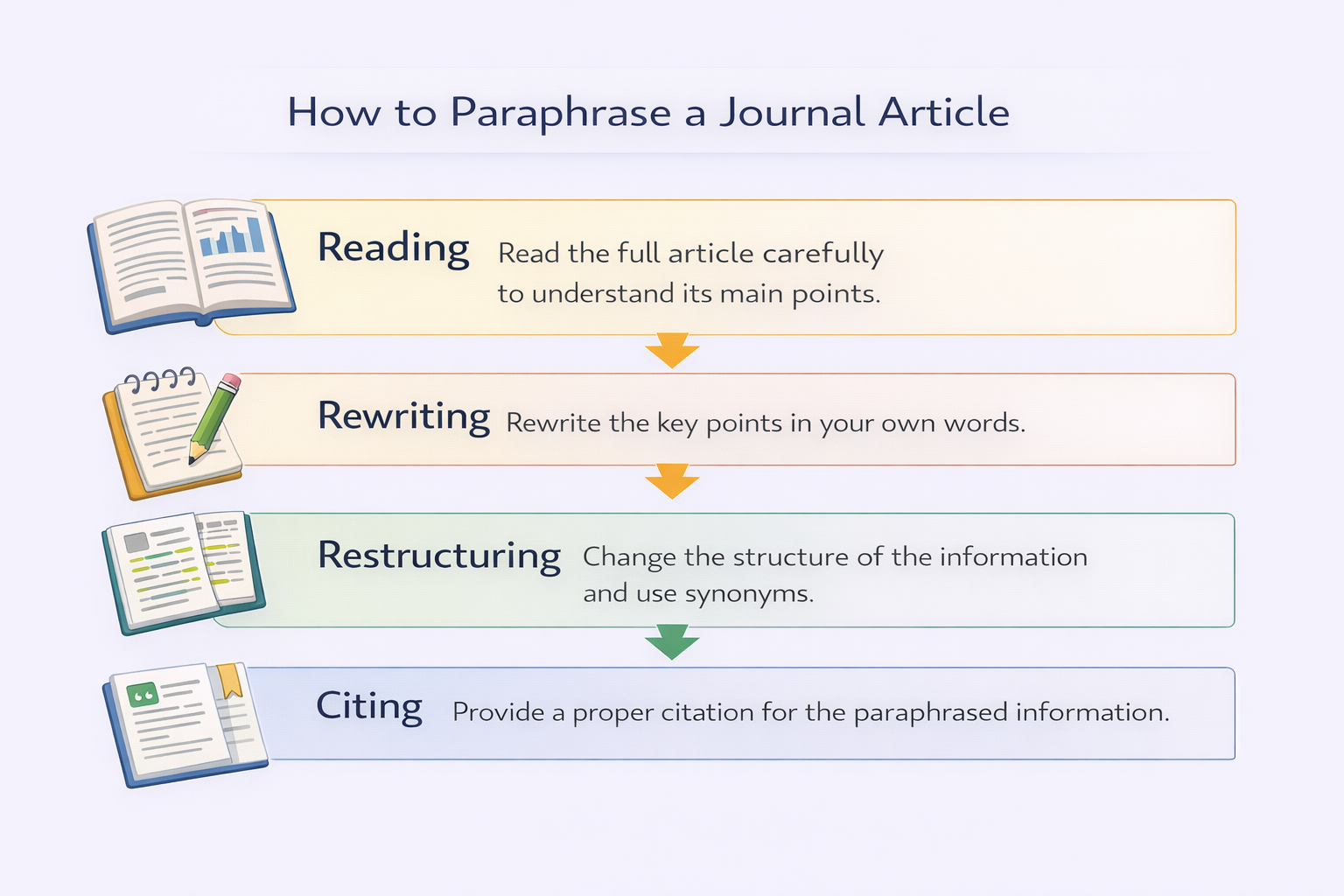
One of the defining challenges of research paper writing is integrating sources while maintaining the writer’s own analytical voice. Over-reliance on quotations or paraphrasing can obscure the argument and suggest weak critical engagement.
Effective integration uses sources strategically. Literature may be used to support claims, challenge assumptions, or provide context for analysis. Each citation should serve a clear purpose within the argument.
Students should regularly assess whether sources are being used analytically rather than descriptively. If a paragraph could be removed without affecting the argument, its relevance should be reconsidered.
Developing and Sustaining the Central Argument
The central argument is the backbone of a research paper. It should respond directly to the research question and remain visible throughout the paper. Weak arguments often result from unclear research focus or inconsistent section alignment.
Each body section should contribute explicitly to advancing the argument. Topic sentences, logical transitions, and clear analytical emphasis help readers understand how individual points connect to the overall claim.
Research paper writing values depth over breadth. Examiners generally reward thorough analysis of selected points rather than superficial coverage of many ideas.
Presenting Evidence, Data, and Supporting Material
Evidence is central to research paper writing, but its presentation must follow academic conventions. Tables, figures, and structured data should clarify complex information, not replace analysis.
The table below outlines how different forms of evidence contribute to academic argumentation.
| Evidence Type | Presentation Requirement | Academic Function |
|---|---|---|
| Quantitative data | Clearly labelled tables or figures | Support empirical claims |
| Qualitative data | Summarised and contextualised | Illustrate patterns or themes |
| Theoretical sources | Integrated into analysis | Frame and justify arguments |
Every piece of evidence must be explained in the text. Examiners do not infer significance; they assess how effectively students interpret and apply evidence.
Referencing, Citation, and Academic Integrity
Accurate referencing is a non-negotiable element of research paper writing. It demonstrates scholarly engagement and protects academic integrity. Errors in citation can undermine otherwise strong work.
Students must follow the referencing style specified in the assignment brief and apply it consistently. Inconsistencies between in-text citations and reference lists are among the most common technical penalties.
Many students address these issues through academic proofreading and editing support, where referencing accuracy and formatting consistency are systematically reviewed.
Revising and Editing the Research Paper
Revision is an essential stage of research paper writing. First drafts often reveal weaknesses in structure, argument clarity, or evidence integration. Revising allows students to strengthen coherence and analytical depth.
Effective revision occurs in stages. Structural issues should be addressed before sentence-level editing. This ensures that clarity of argument is prioritised over stylistic refinement.
Allowing time between drafting and revision improves objectivity and increases the likelihood of identifying hidden weaknesses.
Critical academic rule: Research paper writing is assessed on argument quality and evidence control, not on word count or source quantity.
Research Paper Writing in Dissertations and Major Projects
In dissertations and extended research projects, research paper writing principles are applied at a larger scale. Individual chapters often function as interconnected research papers contributing to a single overarching argument.
Consistency, methodological transparency, and structural discipline become increasingly important. Errors in early chapters can affect the evaluation of the entire project.
Students undertaking large-scale research often rely on structured guidance such as dissertation writing support, where research design, structure, and academic conventions are addressed comprehensively.
Applying Research Paper Writing Skills with Academic Confidence
Research paper writing is a learned academic skill developed through structured practice rather than innate ability. With careful planning, disciplined research, and systematic revision, students can meet and exceed university expectations.
Understanding the purpose behind each stage of the research process transforms writing from a mechanical task into an intellectually meaningful activity. Strong research paper writing reflects clarity of thought, respect for evidence, and control over academic form.
When approached methodically, research paper writing becomes a powerful opportunity to demonstrate scholarly maturity and academic competence.
Comments