
Writing a thesis is one of the most demanding academic achievements in university education. After months or even years of research, data analysis, and writing, students must present their findings in a clear, structured, and academically polished document. However, even well researched theses often contain grammar inconsistencies, formatting errors, or unclear sentences that reduce the overall quality of the work. For this reason, many students choose to use a thesis proofreading service before submitting their final manuscript.
A professional proofreading service focuses on correcting language mistakes, improving clarity, and ensuring the thesis follows academic writing standards. Unlike editing or rewriting, proofreading preserves the student's original ideas while refining how those ideas are expressed. This process ensures that examiners can focus on evaluating the research itself rather than being distracted by technical errors.
This guide explains what thesis proofreading involves, why it is essential for academic success, and how students can use professional proofreading services responsibly to improve the presentation of their research.
What a Thesis Proofreading Service Actually Does
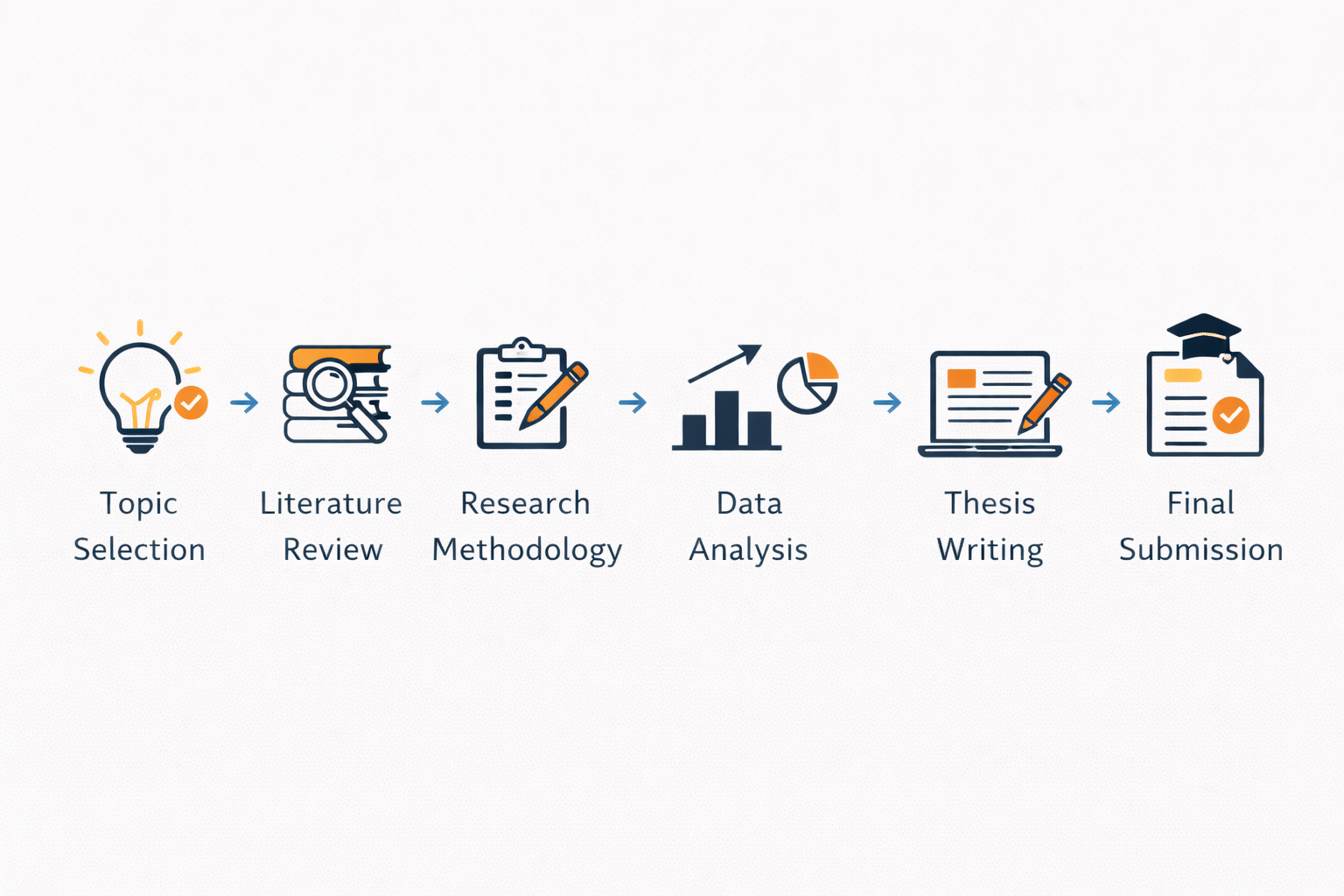
Proofreading is the final stage of the academic writing process. At this stage, the thesis should already contain complete research, arguments, and conclusions. The purpose of proofreading is to identify and correct small errors that may remain in the document.
Professional thesis proofreaders focus on several key aspects of academic writing:
- Correcting spelling, punctuation, and grammar mistakes
- Ensuring consistent terminology throughout the thesis
- Checking sentence clarity and readability
- Verifying consistency in headings and formatting
- Confirming that citations and references follow the correct style
These improvements may seem minor individually, but collectively they significantly improve the professionalism and readability of a thesis.
Why Thesis Proofreading Is Important Before Submission
University examiners evaluate both the intellectual quality of the research and the clarity of the written presentation. Even strong research can appear less convincing if it is presented with frequent language errors or inconsistent formatting.
Proofreading improves several important elements of thesis quality:
- Clear communication of complex ideas
- Professional academic tone
- Consistency in citations and references
- Logical readability of long paragraphs
- Compliance with university formatting guidelines
Because theses often exceed 10,000 to 80,000 words, small errors can easily accumulate during the writing process. Professional proofreading ensures these issues are corrected before submission.
| Area of Review | Purpose |
|---|---|
| Grammar and Spelling | Corrects language mistakes and improves sentence accuracy |
| Punctuation | Ensures proper sentence structure and readability |
| Consistency | Maintains uniform terminology and formatting |
| Academic Tone | Ensures language remains formal and scholarly |
| Referencing | Checks citation style and reference list consistency |
By addressing these areas, proofreading improves both the presentation and credibility of the thesis.
The Difference Between Proofreading and Thesis Editing
Students often confuse proofreading with editing, but these services focus on different levels of revision. Understanding the distinction helps students choose the appropriate support.
| Service Type | Main Focus |
|---|---|
| Proofreading | Corrects grammar, spelling, punctuation, and formatting errors |
| Language Editing | Improves sentence structure and writing clarity |
| Structural Editing | Reorganizes arguments and improves logical flow |
Proofreading is typically performed after the thesis is fully written and edited, making it the final quality control step before submission.
Common Thesis Errors Proofreading Can Fix
After working on a thesis for a long period of time, students often become too familiar with the text to notice small mistakes. Professional proofreaders provide a fresh perspective that helps identify errors quickly.
Some of the most common issues corrected during proofreading include:
- Repeated words or phrases
- Incorrect punctuation
- Missing articles such as "a" or "the"
- Inconsistent citation formatting
- Typographical errors
Although these mistakes may appear minor, they can negatively affect the perceived professionalism of the thesis.
Benefits of Using a Professional Thesis Proofreading Service
Professional proofreading services provide several advantages for students preparing their final thesis submission. Because proofreaders specialise in academic writing, they understand the expectations of university examiners.
Some key benefits include:
- Improved clarity of academic arguments
- Reduced risk of grammatical errors
- Consistent formatting across chapters
- Better readability of long research documents
- Higher overall academic presentation quality
These benefits help ensure that the thesis communicates its research contributions effectively.
Ethical Use of Thesis Proofreading Services
Academic integrity is an essential principle in higher education. For this reason, proofreading must always preserve the student’s original ideas and research findings.
Proofreading should correct language and presentation errors without changing the meaning or originality of the research.
Responsible proofreading strengthens the quality of the thesis while maintaining the student’s intellectual ownership of the work.
Many universities actually recommend proofreading support, particularly for international students writing in a second language.
How to Prepare Your Thesis for Proofreading
Students can improve the effectiveness of proofreading by preparing their thesis carefully before sending it to a professional proofreader.
Some recommended preparation steps include:
- Ensure all chapters are complete and finalised
- Check that figures and tables are labelled correctly
- Confirm that the reference list includes all citations
- Verify that university formatting guidelines are followed
- Provide the required citation style instructions
This preparation allows the proofreader to focus on correcting language and formatting rather than structural issues.
Final Academic Polishing Through Thesis Proofreading
A thesis proofreading service plays a crucial role in preparing academic research for final evaluation. By correcting language errors, improving clarity, and ensuring consistent formatting, proofreading helps transform a completed thesis into a polished academic document.
For students who have invested significant time and effort into their research, professional proofreading represents the final step in presenting their work at the highest academic standard. When research ideas are communicated clearly and professionally, examiners can evaluate the contribution of the thesis without distraction.
Careful proofreading therefore ensures that the thesis reflects both the quality of the research and the professionalism expected in higher education.


Comments