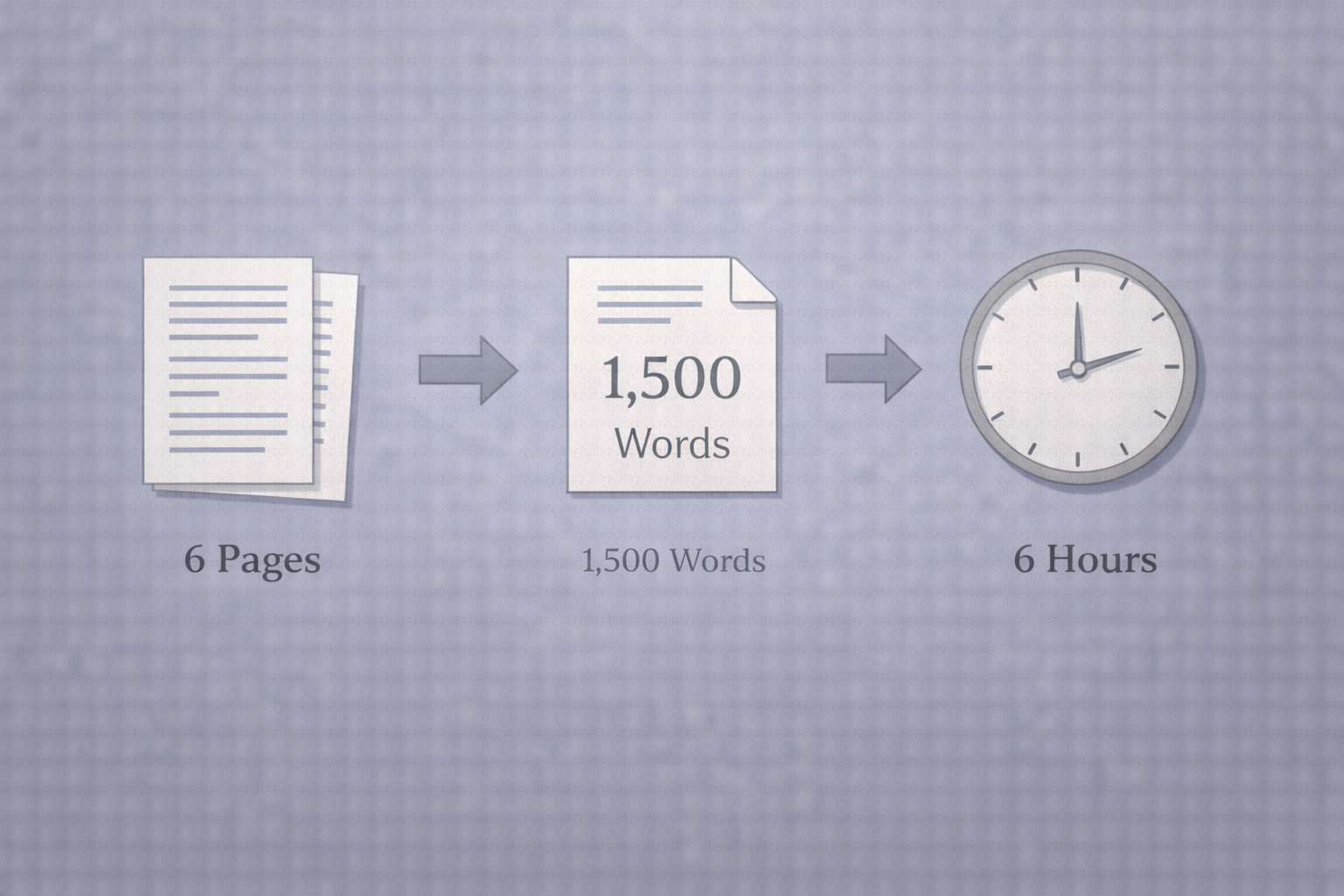
Academic writing operates within clearly defined technical constraints. Word limits, page counts, spacing rules, and time expectations shape how assignments are planned, written, and assessed. Yet many students struggle to interpret these constraints accurately, especially when requirements are expressed in different formats.
Academic conversion tools exist to bridge this gap. They translate one academic measure into another—words into pages, pages into words, or word counts into estimated writing time. When used correctly, these tools support planning, compliance, and academic precision rather than shortcuts or guesswork.
What Are Academic Conversion Tools?
Academic conversion tools are utilities designed to convert one academic measurement into another using standardised assumptions. Common examples include word-to-page converters, page-to-word calculators, and writing-time estimators.
These tools do not replace academic judgement. Instead, they provide approximations that help students understand scale, workload, and feasibility when planning assignments.
In higher education, conversion tools are most effective when used early in the writing process, before drafting begins.
Academic definition: An academic conversion tool provides an estimate based on formatting and writing conventions, not a guaranteed equivalence.
Why Conversion Accuracy Matters in Academic Work
Misinterpreting academic requirements often leads to under-length or over-length submissions. Both outcomes can negatively affect assessment, even when the quality of argument is strong.
For example, assuming that one page always equals 250 words ignores formatting variables such as font size, line spacing, and margin width.
Academic conversion tools help students avoid these errors by making implicit assumptions explicit.
Words to Pages: How Conversions Are Calculated
Word-to-page conversion is the most common academic conversion task. However, it is also the most misunderstood.
Conversions depend on formatting conventions, which vary across institutions and disciplines.
| Formatting Style | Approximate Words per Page | Typical Academic Use |
|---|---|---|
| Double-spaced, 12pt Times New Roman | 250–275 | Most humanities and social sciences |
| Single-spaced, 12pt font | 450–500 | Reports, appendices, technical writing |
| Double-spaced, 11pt font | 300–325 | Some business and management courses |
These figures are estimates, not fixed rules. Minor formatting changes can significantly alter final page counts.
Pages to Words: When Reverse Conversion Is Needed
Some assignment briefs specify length in pages rather than words. This is common in postgraduate work, dissertations, and professional reports.
In such cases, page-to-word conversion helps students estimate the expected level of detail and argument density.
Academic conversion tools simplify this estimation, but students should always verify final word counts within their document editor.
Time-Based Academic Conversion Tools
Beyond length, students often need to estimate how long academic writing will take. Time-based conversion tools translate word counts into approximate writing hours.
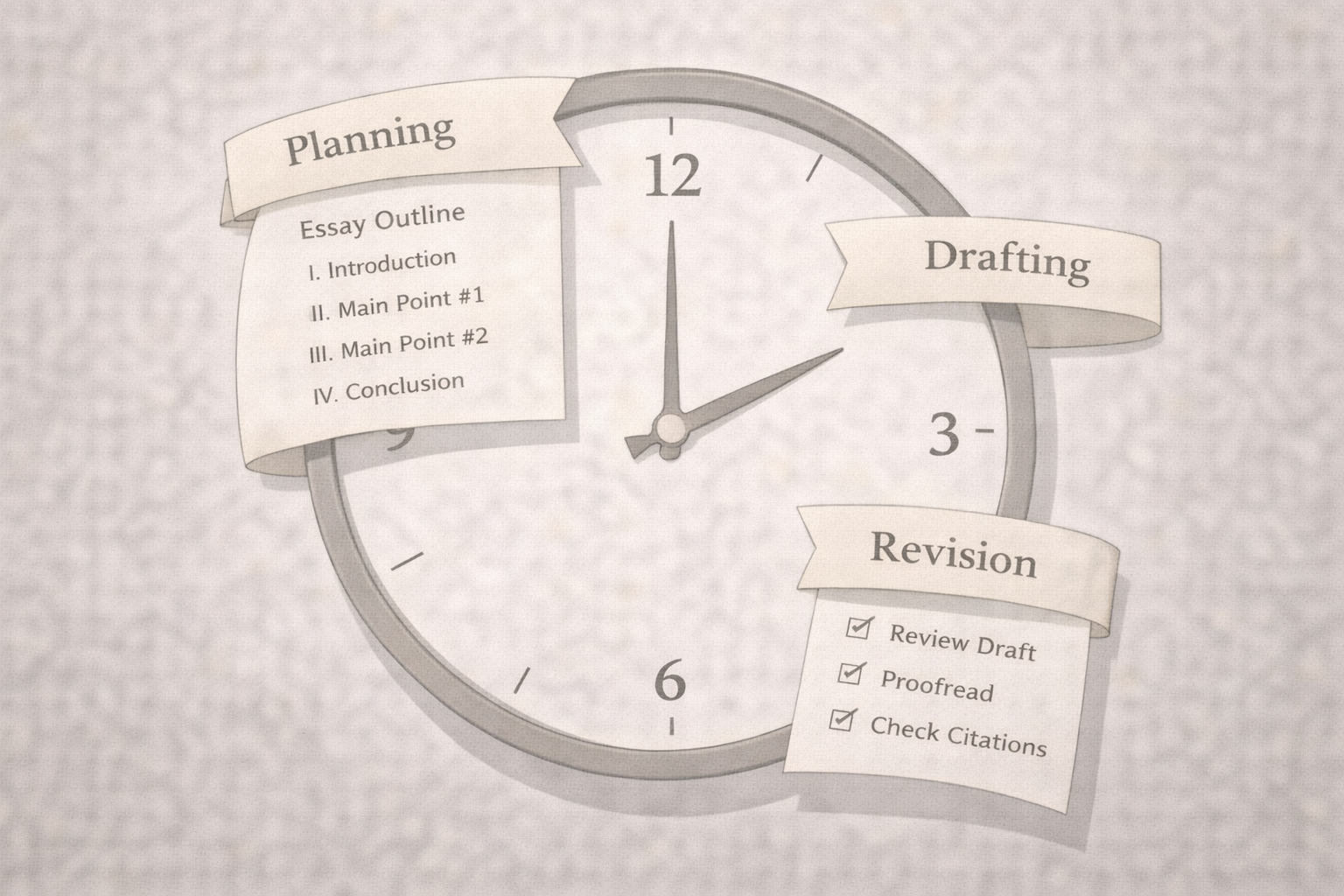
These tools account for more than typing speed. They typically assume time for planning, research, drafting, and revision.
| Word Count | Estimated Total Time | Academic Context |
|---|---|---|
| 500 words | 4–6 hours | Short response or reflection |
| 1,500 words | 15–20 hours | Standard undergraduate essay |
| 3,000 words | 35–50 hours | Extended analysis or project |
Time-based tools are particularly useful for semester planning and workload balancing.
Limitations of Academic Conversion Tools
While helpful, conversion tools are not infallible. They rely on assumptions that may not match specific institutional requirements.
For example, reference lists, tables, and figures may or may not count toward word limits depending on the brief.
Students must always prioritise assignment instructions over automated estimates.
Critical warning: Conversion tools support planning, but they do not override explicit assignment guidelines.
Using Conversion Tools Responsibly
Responsible use of academic conversion tools involves verification and contextual awareness.
Students should use tools at the planning stage, then confirm accuracy during drafting using word processors and institutional guidance.
Conversion tools are most effective when combined with careful reading of the assignment brief.
Common Student Mistakes in Academic Conversion
One frequent mistake is treating conversion outputs as exact targets rather than estimates.
Another is ignoring how headings, quotations, and references affect final length.
- Relying on page count instead of word count when words are specified
- Ignoring spacing and font rules
- Assuming online converters reflect institutional standards
Avoiding these mistakes improves both compliance and academic confidence.
Academic Conversion Tools and Academic Integrity
Conversion tools are neutral aids. They support planning rather than content generation.
Used ethically, they enhance transparency and reduce accidental non-compliance.
They do not replace original writing, analysis, or independent thought.
Choosing the Right Academic Conversion Tool
The best conversion tool is one that allows customisation of formatting assumptions.
Tools that explain their calculation logic are preferable to those that provide unexplained outputs.
Students should treat conversion results as guidance rather than authority.
Academic Conversion Tools as Planning Instruments
At their best, academic conversion tools help students visualise workload and manage time realistically.
They support early-stage decision-making, reduce uncertainty, and promote structured writing habits.
Understanding their purpose and limits transforms them from shortcuts into legitimate academic planning instruments.
Using Academic Conversion Tools with Confidence
Academic conversion tools exist to clarify expectations, not to oversimplify academic work.
When used critically and in line with assignment instructions, they enhance accuracy, planning, and confidence.
Effective academic writing begins with understanding constraints—and conversion tools help make those constraints visible and manageable.
Comments