
In higher education, critique papers are a foundational form of assessment because they test both comprehension and evaluative judgement. Students are expected not only to understand a source text or research article but also to assess its quality, logic, methodology, and contribution to scholarly conversations. Unlike descriptive summaries, a critique paper requires academic reasoning and balanced analysis that demonstrates critical thinking—an essential skill at university level.
This guide explains how to write a critique paper step by step, providing structured insights into planning, organisation, writing, and refinement. If you’ve struggled to move beyond surface-level description or you’re unsure how to frame your evaluative voice, this article will equip you with the tools to produce critiques that meet rigorous academic expectations.
Understanding the Purpose of a Critique Paper
The primary purpose of a critique paper is to analyse another work—such as a journal article, research study, book chapter, or report—by evaluating its strengths and limitations in relation to clearly defined criteria. These criteria may vary by discipline but typically include clarity of argument, methodological rigor, evidence quality, theoretical contribution, and scholarly relevance.
Unlike personal opinion pieces, academic critiques rely on evidence and logical reasoning. This form of writing demonstrates your ability to think independently while grounding your assessment in disciplinary standards rather than personal preference.
A critique paper assesses the merit and limitations of a scholarly work using evidence-based judgment, not personal opinion.
Pre-Writing: Critical Reading and Note-Taking
Before drafting, you must engage in critical reading of the source material. Critical reading is different from passive reading; it involves actively questioning assumptions, noting argumentative claims, and evaluating evidence. It’s helpful to annotate the text as you read and to make notes about key points, methodologies, definitions, and any assumptions that shape the argument.
According to academic writing guidance, planning and organising your ideas early prevents structural weaknesses such as repetition, disconnection between paragraphs, and unsupported claims. Planning for critique writing involves identifying the author’s thesis, research question, key evidence, and conclusion, and then noting where argument patterns succeed or falter. These notes will form the basis of your evaluative analysis.
Structuring a Critique Paper for Academic Quality
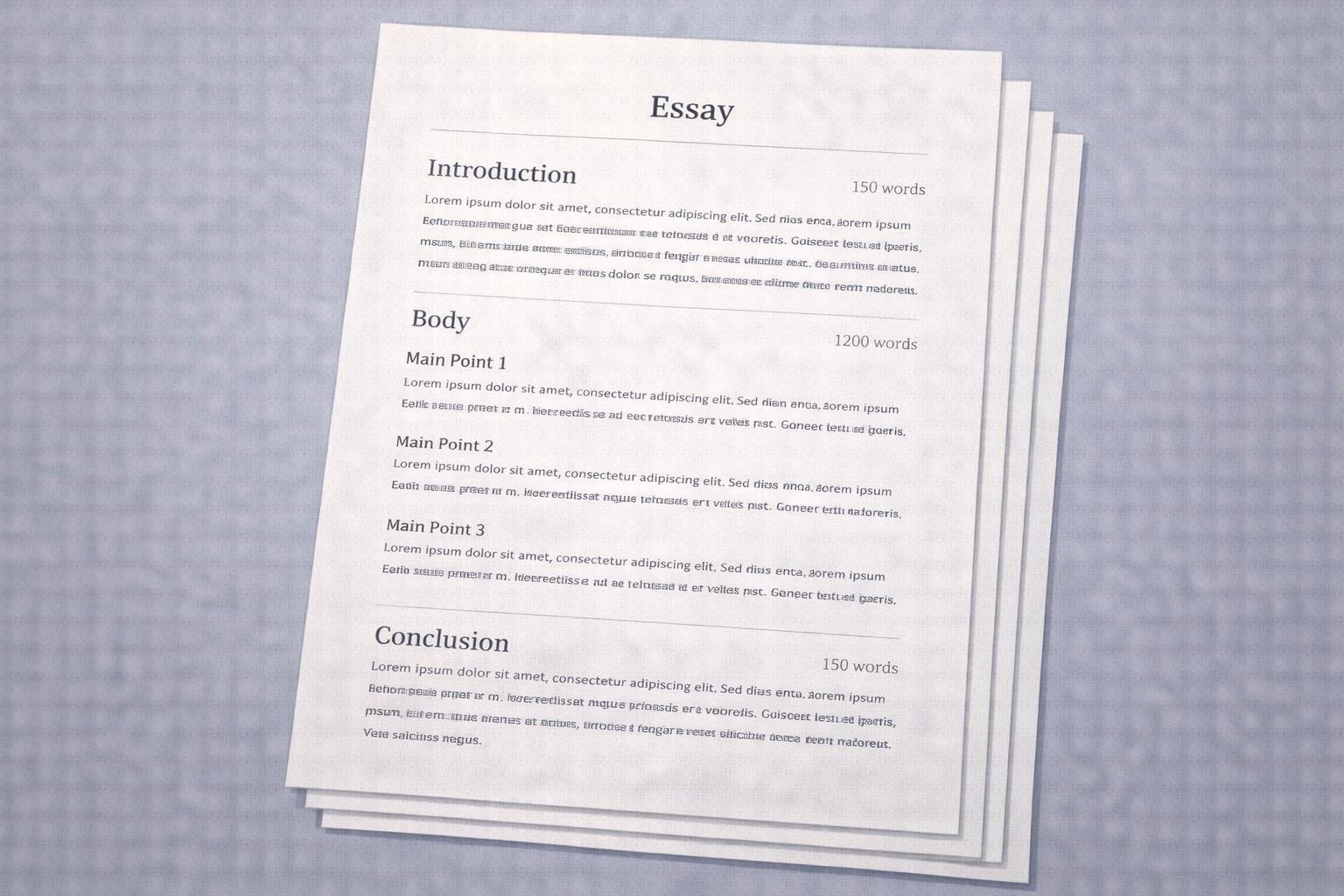
A strong critique paper follows a structured format that guides the reader through your analysis logically and coherently. Although formats vary by discipline, most academic critiques consist of an introduction, a summary of the source, a critical evaluation section, and a conclusion. Each plays a distinct role in demonstrating your academic judgment.
| Section | Function | Academic Purpose |
|---|---|---|
| Introduction | Frame the critique and present your evaluative thesis | Orient the reader to your perspective and criteria |
| Summary of Source | Briefly outline the main argument and key points | Demonstrate comprehension without bias |
| Critical Evaluation | Analyse strengths and limitations | Apply evidence and disciplinary criteria |
| Conclusion | Synthesise key findings and restate judgment | Clarify overall assessment and implications |
This structure ensures that the critique is coherent and grounded in academic reasoning rather than appearing as a series of isolated opinions. Each section should seamlessly connect to the next, reinforcing your overall evaluation.\
Writing the Introduction: Setting Up Your Critique
The introduction should clearly identify the work you are critiquing (author, title, publication date) and briefly contextualise it within its academic field. It should also present a thesis statement that summarises your overall evaluative position. The thesis is not a mere opinion; it signals your judgement according to academic criteria such as clarity, methodological soundness, evidence adequacy, or theoretical contribution.
For example, if critiquing a research article, the introduction might signal whether the study is methodologically rigorous but limited by a narrow sample or constrained theoretical framing. This sets expectations for your critical evaluation and positions your analysis within a scholarly conversation.
Summarising the Source: Balanced and Objective
Your summary section should be concise and objective, focusing on the author’s central argument, methodology, and key findings. Academic guidance suggests that summaries in critique papers should comprise no more than one-third of the total text; excessive summarisation detracts from the critical analysis that markers prioritise.
While summarising, avoid ornate language or judgement; your aim is to inform the reader about the content of the source so that your critique is intelligible even to those unfamiliar with the original work. An effective summary demonstrates understanding without conflating description with evaluation.
Critical Evaluation: Depth and Evidence-Based Judgment
This is the core of your critique. In this section, evaluate how well the author constructs and supports their argument, and whether the methodology and evidence appropriately underpin their conclusions. Academic sources recommend focusing on systematic assessment that weighs both strengths and weaknesses rather than dismissing the work as merely “good” or “bad” without justification.
- Theoretical Contribution: Does the work engage meaningfully with existing theories? Does it contribute new insights?
- Methodological Rigor: Are research methods appropriate and well explained? Are there limitations in data collection or analysis?
- Evidence Quality: Is the evidence credible, relevant, and sufficient? Are alternative interpretations considered?
- Logic and Coherence: Are arguments logically structured? Do conclusions follow from evidence?
Each evaluative claim you make should be supported by specific references to the source and, where relevant, supported by other scholarly evidence. This evidence-based approach signals academic maturity and grounding in disciplinary expectations.
Discussing Strengths in Critique Writing
Identifying strengths in the source shows balanced judgement. This might include clear articulation of research questions, innovative methodology, thorough literature engagement, or significant implications for the field. When highlighting strengths, explain why these aspects matter academically rather than merely praising them.
Addressing Limitations and Implications
Limitations could involve narrow sample sizes, unclear definitions, methodological biases, or unsupported claims. Critiquing these limitations should go beyond noting their existence; you should explain how they affect overall validity and what this means for scholarly understanding. This level of insight distinguishes superficial comments from rigorous academic critique.
Conclusion: Synthesising Your Evaluation
The conclusion should summarise your main evaluative findings and restate your overall judgement. It may also reflect on broader implications, such as how the work could inform future research or address identified gaps. Unlike the summary, the conclusion emphasises your critical perspective rather than restating the source’s content.
Academic guidance suggests avoiding the introduction of new evidence in the conclusion; instead, focus on drawing together your analysis to clarify why your assessment holds and what it contributes to the academic conversation.
Common Pitfalls and How to Avoid Them
Students often make predictable mistakes when learning how to write a critique paper. One frequent issue is letting summary overshadow analysis. While understanding is vital, overlong summaries reduce space for the critical evaluation that markers prioritise. Keep summary concise and targeted.
Another common error is making unsupported judgements. Statements such as “the article is weak” or “the methodology is flawed” without explanation fail to demonstrate evaluative reasoning. Every claim should be tied to evidence and disciplinary criteria.
Avoid critique that relies on opinion alone; academic evaluation must be supported by evidence and clear reasoning.
Applying the Critique Paper Framework Across Disciplines
Though disciplines differ in focus, the principles of critique writing remain consistent. Whether you are critiquing a research article in psychology, a theoretical essay in sociology, or a case study in business, the academic expectations for structured evaluation and evidence-based judgement are the same. Students should always tailor their critique to the criteria specified in the assignment brief, including word count, referencing style, and any discipline-specific expectations.
Learning how to write a critique paper strengthens broader academic skills, including analytical reading, logical organisation, and scholarly communication—skills that are transferable across coursework and research assignments.


Comments