
Critique papers are a common form of academic assessment because they require students to engage deeply with scholarly sources, analyse strengths and weaknesses, and articulate reasoned evaluative judgments. Unlike summaries, which restate content, critique papers interrogate arguments, methodologies, theoretical assumptions, and contributions to the field. Understanding how to write a critique paper is essential for demonstrating critical thinking and scholarly competence in university coursework.
Students often struggle with critique writing because they are unsure how to balance description, analysis, and evaluation. A successful critique paper integrates these elements in a coherent structure, showing not just what the author says but how and why the work succeeds or falls short. This article provides a clear, step-by-step guide to writing a critique paper that meets academic expectations across disciplines.
What a Critique Paper Is and Why It Matters
A critique paper is an academic evaluation of a source such as a journal article, book chapter, or research report. Its purpose is to assess the quality and significance of the source within its scholarly context. This involves identifying the author’s main claims, examining evidence and reasoning, and judging the work’s contribution to knowledge.
Critique is not synonymous with negative criticism. In academic terms, critique encompasses balanced evaluation that recognises both strengths and limitations. It demonstrates scholarly judgement by situating the source within broader debates, theories, and research practices.
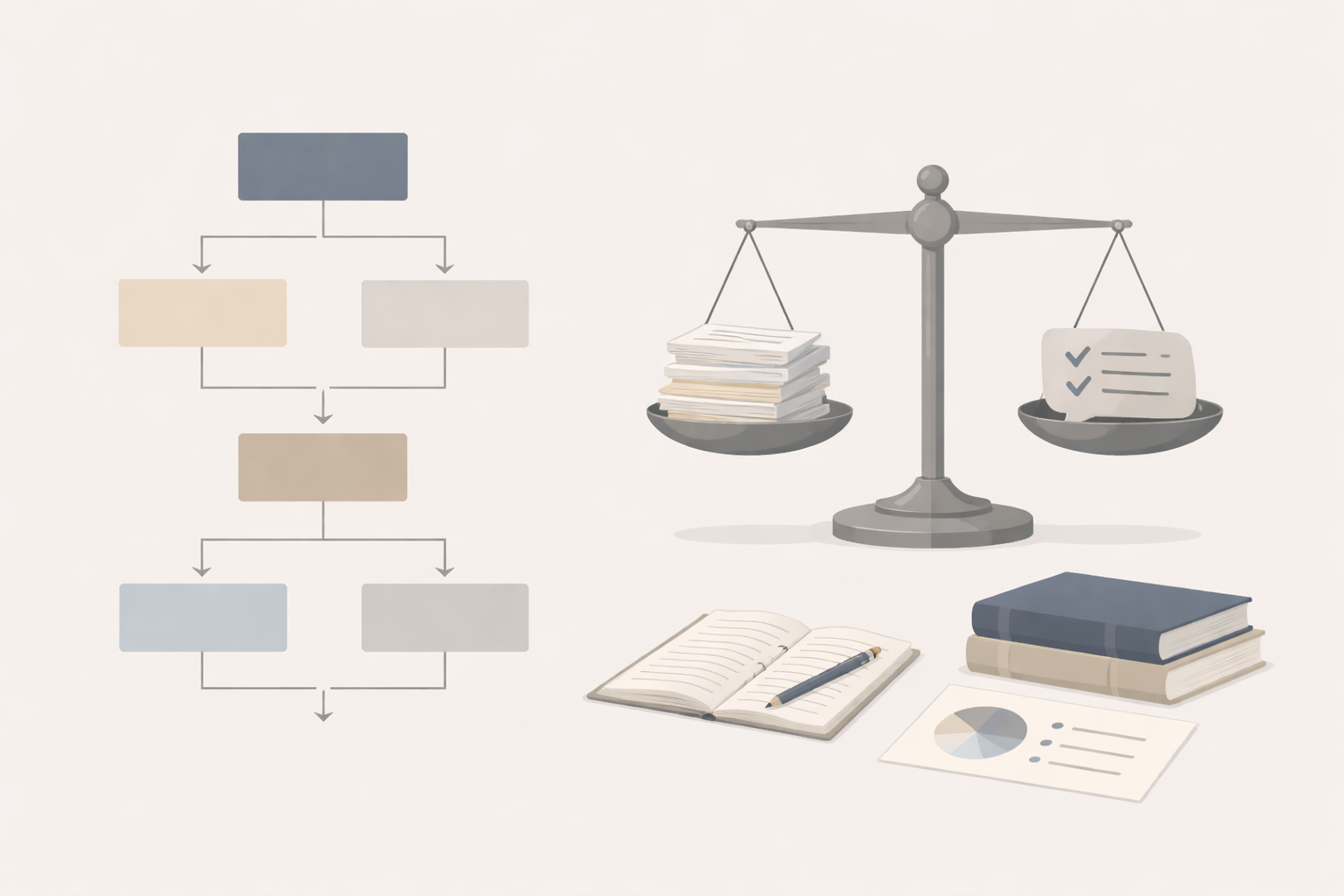
A critique paper assesses both the value and limitations of a scholarly work, grounded in evidence, theory, and disciplinary criteria.
Pre-Writing: Critical Reading and Planning Strategies
Effective critique begins long before pen meets paper. Critical reading involves annotating the text, identifying key arguments, noting methodological choices, and highlighting assumptions. Academic critique requires more than comprehension; it demands evaluation of how well claims are supported and how the work relates to other literature.
Before drafting, students should ask questions such as: What is the author trying to prove? What evidence and methods are used? Are there gaps, biases, or unfounded assumptions? How does this work compare to other research in the field? Planning answers to these questions provides a solid foundation for writing.
Structuring a Critique Paper for Academic Clarity
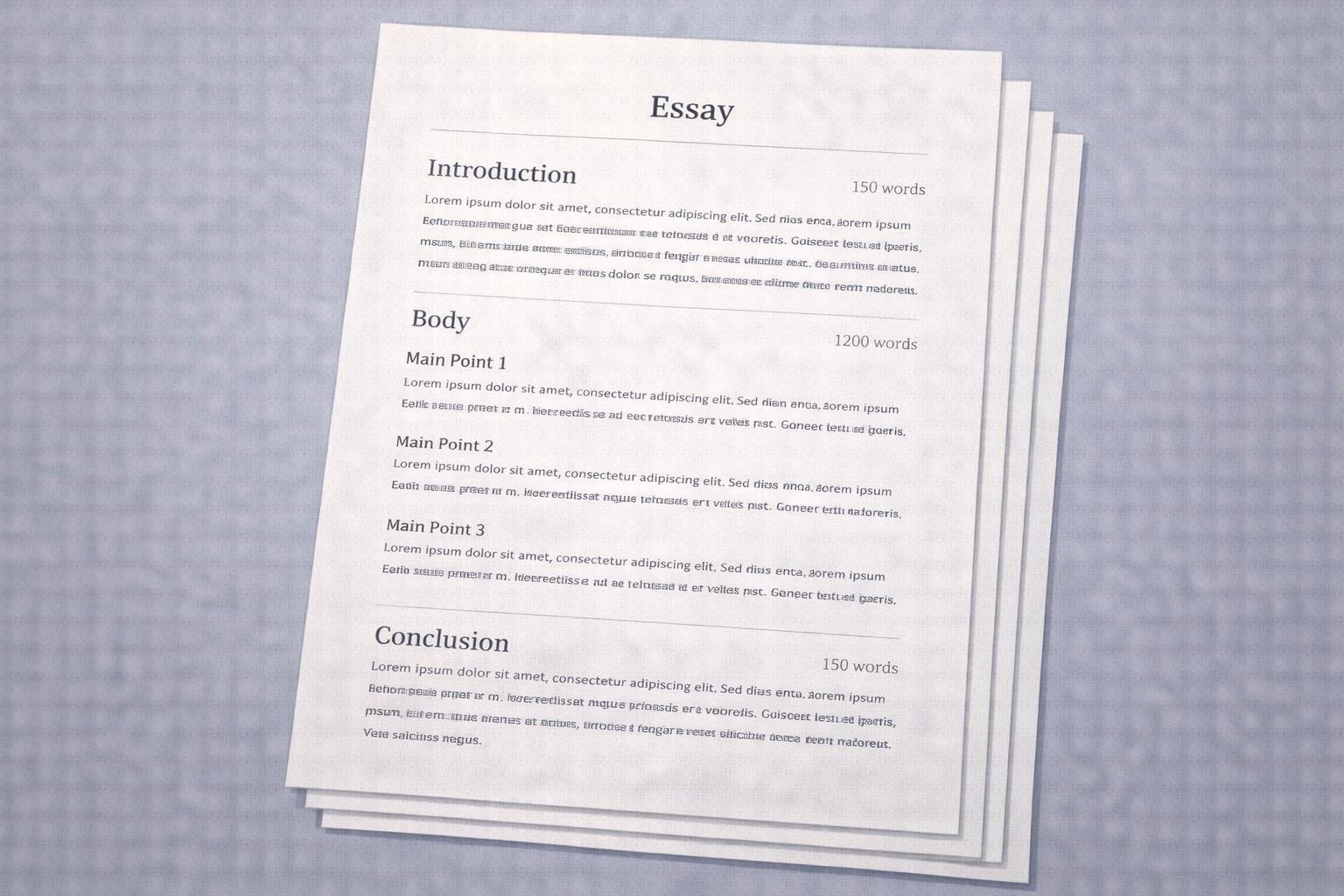
A well-structured critique paper guides the reader logically through understanding, analysis, and evaluation. While formats vary by discipline, most academic critiques follow an organised structure that includes an introduction, summary of the source, critical evaluation, and conclusion.
| Section | Purpose | Academic Emphasis |
|---|---|---|
| Introduction | Frame the critique | Thesis statement, context |
| Summary of Source | Outline key ideas | Comprehension without bias |
| Critical Evaluation | Analyse and judge | Evidence, methodology, logic |
| Conclusion | Synthesise and reflect | Overall assessment, implications |
This structure provides a clear roadmap for developing and organising critical insights rather than disjointed comments.
Writing the Introduction: Framing Your Critique
The introduction sets the tone for the entire critique. It should identify the work being critiqued (including author, title, context, and publication details) and state the central focus of your evaluation. Importantly, the introduction should present a **thesis statement** that reflects your overall judgement. This thesis guides the reader through your critique and clarifies your evaluative stance.
A weak introduction merely states the title and topic. A strong introduction situates the source within its academic context and signals key evaluative points you will address. For example, you might indicate whether the work advances theory, fills knowledge gaps, or suffers from specific limitations.
Summary of the Source: Accurate and Neutral
The summary section demonstrates comprehension but should be kept concise and objective. It outlines the author’s main claims, methodology, and conclusions without adding interpretation or evaluation. This clarity ensures that readers unfamiliar with the source can follow your critique without bias.
Exceptional critique papers use summary strategically, focusing only on points that directly relate to later analysis. Overly long summaries are common student errors; academic markers prefer depth of evaluation over breadth of restatement.
Critical Evaluation: Depth Over Description
This section is the heart of the critique paper. It moves beyond summarising to analyse how and why the source succeeds or fails in its scholarly aims. Effective evaluation is evidence-based: claims about strengths or weaknesses must be supported with examples from the text and, where relevant, comparison with other literature.
Academic critique often considers several dimensions of the work, including:
- Theoretical grounding and conceptual clarity
- Methodological rigour and validity
- Quality and interpretation of evidence
- Contribution to existing research
- Ethical transparency and limitations
Evaluative paragraphs should begin with clear topic sentences that convey the point being made. Supporting sentences should explain why this point matters and cite specific evidence from the source.
Theoretical and Conceptual Evaluation
When assessing theory, consider whether the author’s conceptual framework is well-defined, relevant, and consistently applied. Does the work engage with key debates in the field? Are assumptions made without justification?
For example, a critique might evaluate whether a social theory’s application to empirical data is appropriate or whether concepts are interpreted too loosely. This level of detail reflects academic engagement rather than superficial comment.
Methodological Assessment
Methodology is often central to scholarly rigour. In critiquing methodology, consider sample selection, measurement tools, analytical procedures, and limitations. Ask whether the methods chosen are fit for purpose and whether conclusions are justified by the data presented.
A strong methodological critique acknowledges both appropriateness and limitations, avoiding blanket dismissal while highlighting areas for improvement.
Conclusion: Synthesising Judgement and Implications
The conclusion of a critique paper should not merely restate earlier points. Instead, it synthesises the main evaluative insights and reflects on the broader significance of the work. A strong conclusion articulates your overall judgement, summarises its bases, and may suggest directions for future research or application.
Academic conclusions often emphasise the contribution made by the critique itself: how your analysis clarifies understanding, challenges assumptions, or identifies new questions. This positioning strengthens your scholarly voice.
Common Mistakes in Critique Writing and How to Avoid Them
Students frequently make several predictable errors when learning how to write a critique paper. One is **over-description**: focusing too much on what the author said rather than how well they said it. While summary is necessary for context, excessive description weakens analysis.
Another common mistake is **unsupported judgement**: stating that a work is “bad” or “unconvincing” without explaining why. Academic critique requires evidence and explanation, not opinion. Every evaluative claim should be linked to specific aspects of the source.
Avoid critique that lacks justification; evaluative claims must be evidence-based and supported by explicit reasoning.
Using Academic Sources to Support Your Critique
Effective critique papers often draw on other scholarly works to contextualise evaluation. This might involve referencing foundational theories, contrasting contrasting empirical findings, or citing methodological standards. Such integration signals that your evaluation is informed by disciplinary knowledge rather than personal preference.
However, additional sources should support your critique, not replace your analysis of the primary text. The focus remains on the work being critiqued.
Final Academic Guidance on Writing Critique Papers
Understanding how to write a critique paper is a skill that enhances critical thinking and scholarly writing across disciplines. By planning carefully, structuring clearly, and grounding evaluations in evidence and theory, students can produce critique papers that demonstrate intellectual maturity and academic rigour.
This guide provides a framework for approaching critique writing with confidence. Applying these principles consistently will help students meet assessment expectations and strengthen their overall academic communication skills.
Comments