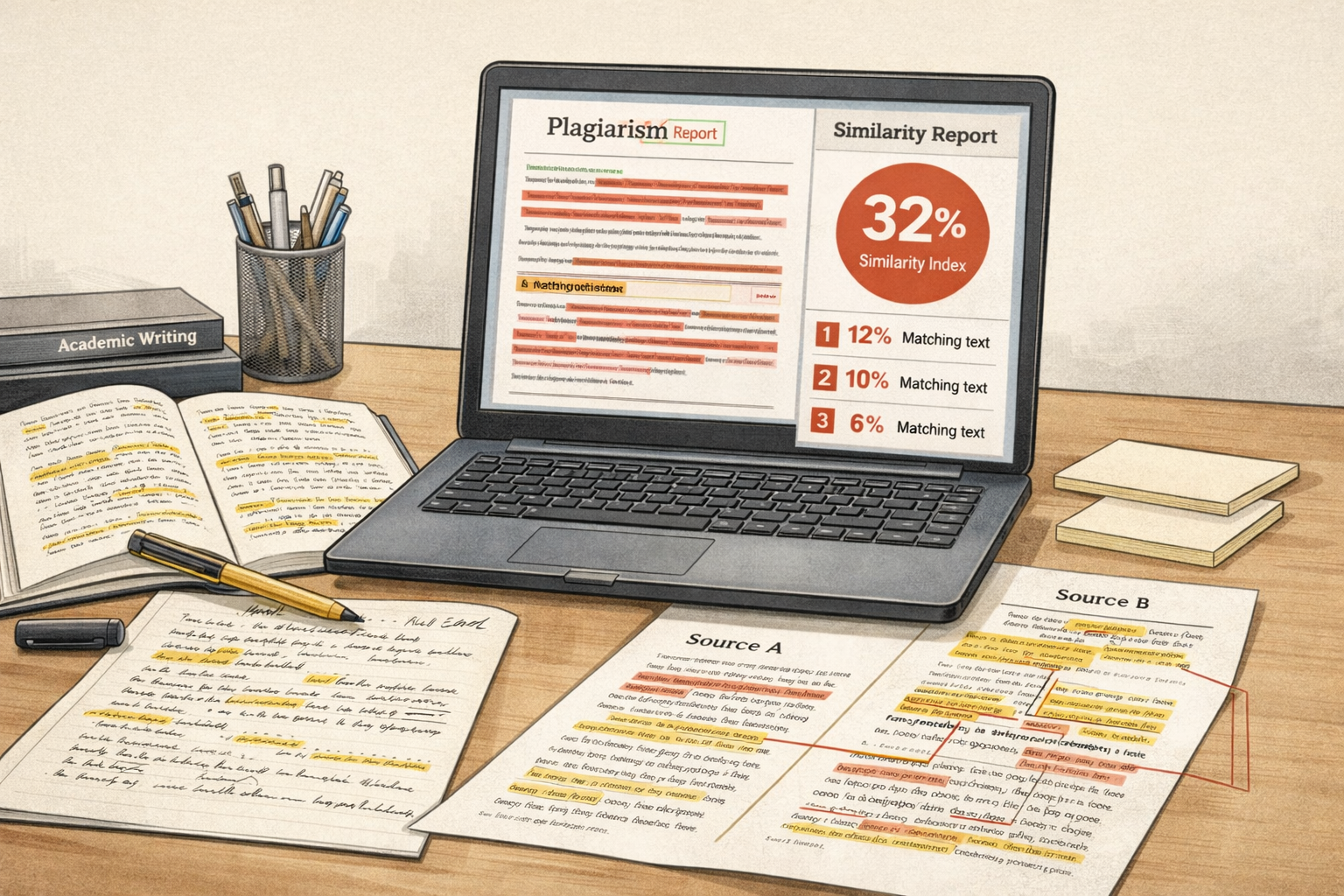
In higher education, plagiarism detection tools have become fundamental to maintaining academic integrity and ensuring originality in student writing. These systems help institutions, researchers, and students identify potential overlaps between submitted work and existing texts, but they also require nuanced understanding to use them effectively and responsibly.
Although many students recognise plagiarism checkers as “Turnitin reports,” the ecosystem of detection tools is broader and more complex. This article explores how plagiarism detection tools work, why they are important, how to interpret their results, and how to integrate them into ethical academic practice.
What Plagiarism Detection Tools Are
Plagiarism detection tools are software applications that analyse written work to identify similarities with existing texts in large databases. These tools compare a submission against billions of web pages, journal articles, books, and archived student papers to detect potential overlap and produce similarity reports. :contentReference[oaicite:0]{index=0}
The core purpose of these tools is not to judge intent but to provide evidence that a piece of writing may contain unoriginal content that requires further human evaluation and academic judgment.
Key definition: A plagiarism detection tool is a system that scans academic writing against a vast repository of sources to highlight textual similarities that might indicate uncredited borrowing.
How Plagiarism Detection Tools Work
Understanding the underlying mechanisms of plagiarism detection helps students and academics use these tools effectively rather than relying on them blindly. At their core, detection systems employ several key technical techniques:
Text Matching and Database Comparison
The most common method involves comparing submitted text to a database of published works and other academic submissions. This technique identifies exact or near-exact matches within the text. :contentReference[oaicite:1]{index=1}
The effectiveness of this method depends on the breadth and depth of the database. University-licensed systems often include extensive academic repositories, which are larger than many free or public checkers can access.
N-Gram and Pattern Analysis
Advanced systems break down text into smaller word groups (often called n-grams) to detect paraphrasing or structural similarity even when direct quotations are absent. This helps flag passages where wording has been altered but the underlying structure remains closely aligned with source material. :contentReference[oaicite:2]{index=2}
Such analysis enhances the detection of disguised copying, though it still cannot determine whether the overlap reflects misconduct or correctly cited paraphrase.
Stylometry and AI Signals
Some modern tools also incorporate stylometric or AI-related checks, which examine patterns in language use that may indicate generative AI assistance or inconsistent writing style. These methods are emerging but are not universally reliable. :contentReference[oaicite:3]{index=3}
Importantly, stylometry and AI detection are supplementary in academic settings and should not replace careful source attribution and instructor evaluation.
Popular Plagiarism Detection Tools Used in Academia
Universities and students use a range of plagiarism detection tools, each with different strengths, database access, and reporting styles. Some are institution-licensed systems, while others are publicly accessible or designed for individual use.
Understanding the differences between these tools can help students choose the most appropriate checkers for draft review and submission preparation.
| Tool | Primary Use | Key Strengths |
|---|---|---|
| Turnitin | Institution-wide academic integrity checks | Extensive database, integration with LMS |
| Scribbr | Student-facing plagiarism checks | User-friendly reports and citation suggestions |
| Grammarly | Writing support with plagiarism module | Grammar, style, and content overlap detection |
| PlagAware | Web and academic text scanning | Detailed matching and intuitive interface |
| iThenticate | Research and publication screening | High-level academic database access |
This comparison illustrates that different tools serve different purposes within academic writing. Some are better suited for institutional submission environments, while others support students in draft preparation. :contentReference[oaicite:4]{index=4}
Interpreting Plagiarism Reports
Plagiarism detection tools generate similarity reports that highlight text segments matching other sources. However, understanding these reports requires nuance, as similarity does not equal plagiarism on its own.
Similarity reports typically display a percentage score alongside highlighted text. Higher percentages may indicate extensive overlap, but they should be read in context. Correctly cited quotations or common phrases can also contribute to similarity scores without constituting misconduct.
Context Matters
Assessing whether flagged text constitutes plagiarism requires human judgment. Examiners look for missing citations, improperly paraphrased content, or unattributed ideas—not just similarity percentages alone.
Students should review flagged sections carefully, ensure correct citation of sources, and revise problematic passages before submission.
Limitations and Misconceptions About Detection Tools
Despite their value, plagiarism detection tools have limitations that students must understand. These systems provide indications of overlap, not definitive evidence of misconduct.
For example, they cannot assess the quality of referencing or determine whether similar text was used with permission. Furthermore, reliance solely on machine output can create a false sense of security or anxiety about similarity metrics. :contentReference[oaicite:5]{index=5}
Using Detection Tools Ethically and Effectively as a Student
Students can use plagiarism detection tools proactively to strengthen academic writing, but this must be done ethically. Running drafts through a checker helps identify areas where citation is incomplete or paraphrasing is too close to source material.
However, students should avoid “gaming” detection tools by altering text to reduce similarity scores without improving academic integrity. Genuine originality and proper citation remain the core goals of academic writing.
Best Practices for Plagiarism Prevention
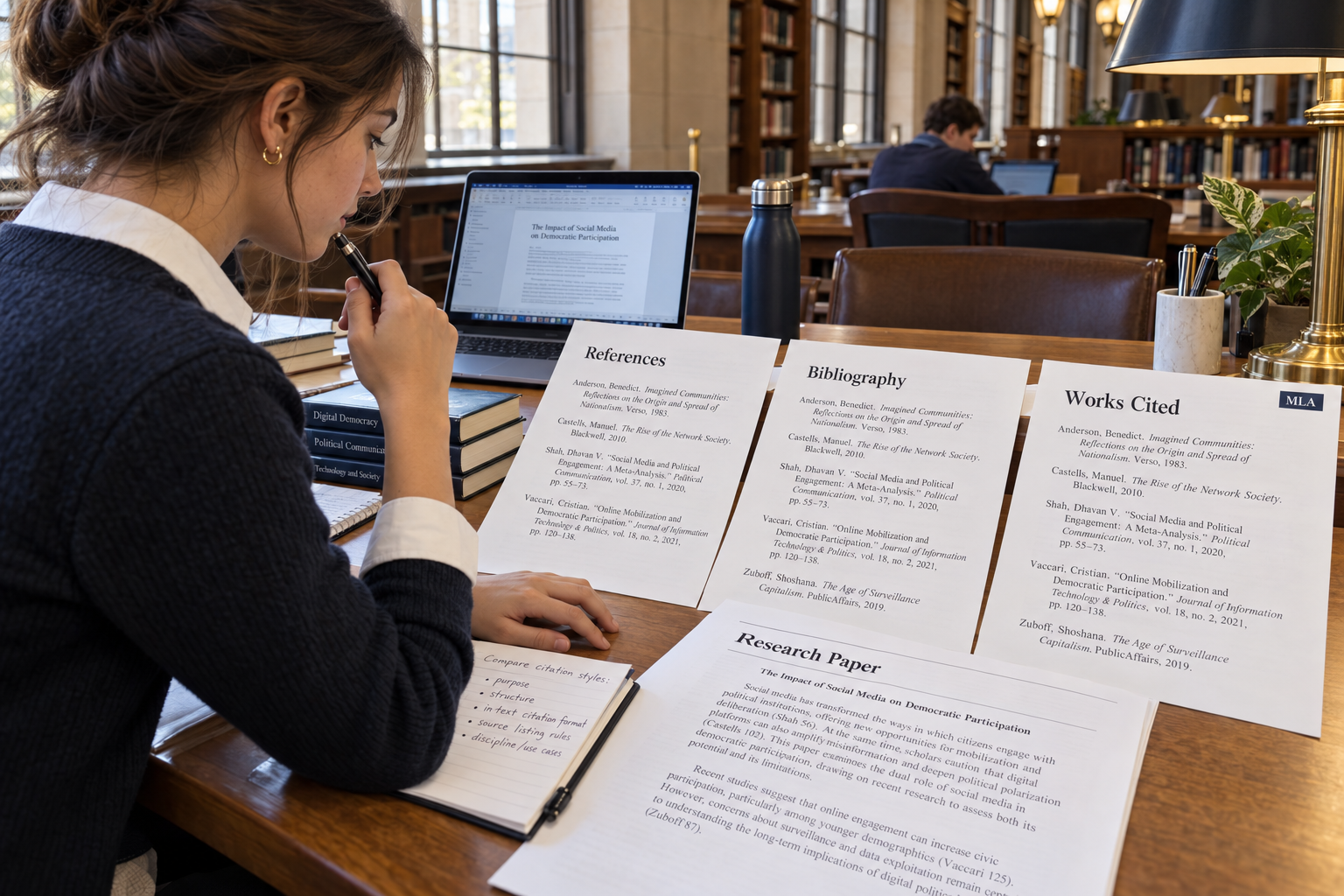
Prevention of plagiarism through careful research and writing practice is more effective than last-minute detection checks. Good habits include detailed note-taking, clear distinction between one’s own ideas and source material, and planned drafting with citations. Checking drafts early in the writing process reduces the risk of unwanted similarity late in the submission cycle.
- Learn your institution’s preferred citation style and apply it consistently
- Paraphrase ideas in your own words while preserving original meanings
- Use quotations only where necessary and always cite the source
Plagiarism Detection Tools and Evolving Academic Integrity Challenges
The landscape of plagiarism detection continues to evolve, especially in the context of generative AI technologies. While traditional tools focus on text similarity, emerging detection methods explore writing dynamics and keystroke patterns to identify assisted writing. :contentReference[oaicite:6]{index=6}
Institutions and students alike must stay informed about these developments, balancing innovation with ethical academic practices.
Making Detection Tools Work for You: Final Academic Guidance
Plagiarism detection tools are invaluable aids in the academic writing process, but they are not replacements for sound writing skills, ethical source use, or human evaluation. By understanding how these technologies work and using them responsibly, students can improve originality, strengthen their writing, and uphold academic integrity with confidence.
Comments