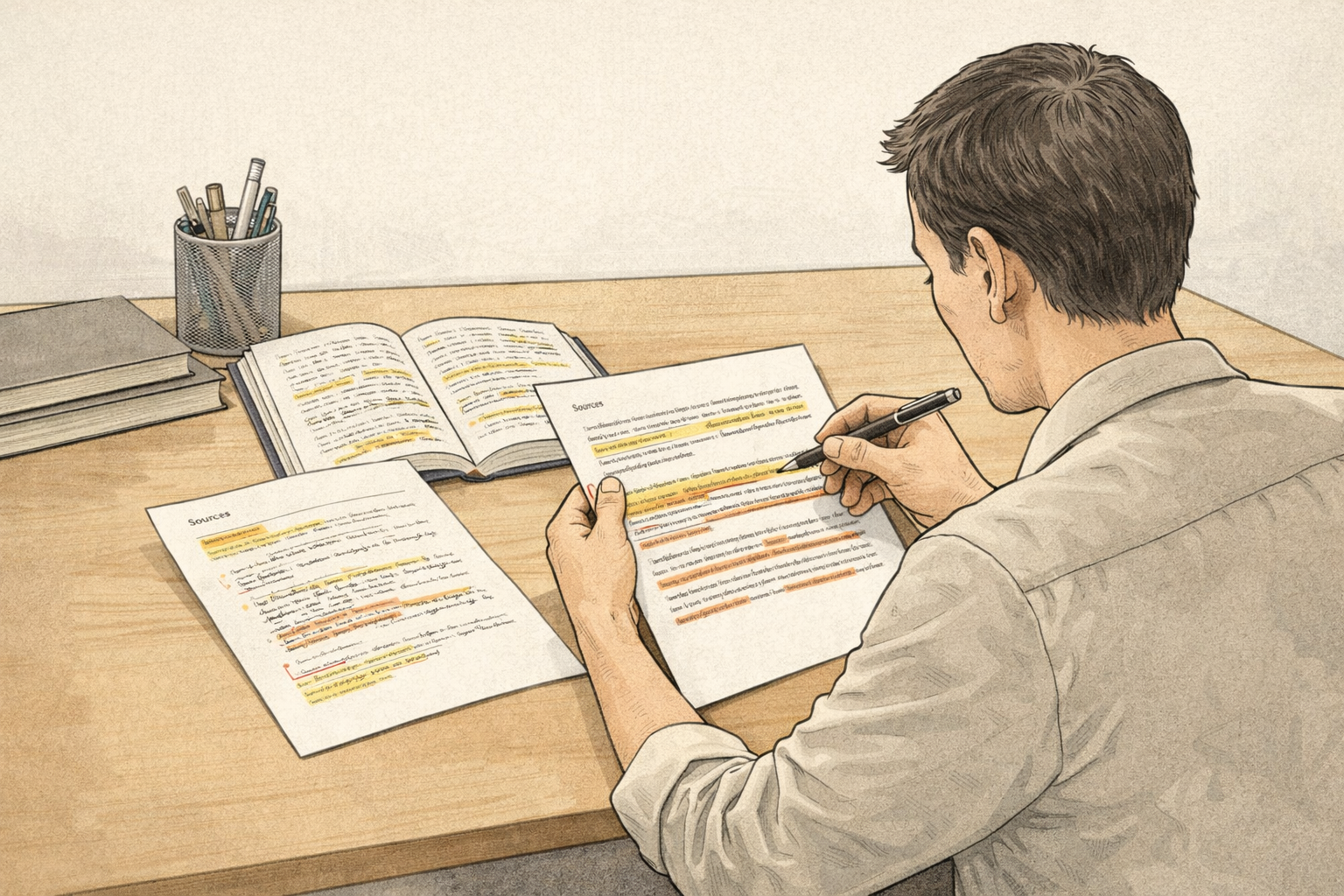
Plagiarism in academic writing is a central concern in higher education because it directly undermines the principles of learning, originality, and scholarly trust. Universities expect students to demonstrate independent thinking while engaging responsibly with existing research and ideas.
Despite clear institutional policies, many students struggle to understand what plagiarism actually involves and how easily it can occur, particularly when working under time pressure or with complex sources. This article provides a comprehensive, student-focused explanation of plagiarism in academic writing, clarifying definitions, examining common forms, and offering practical guidance for prevention.
What Plagiarism Means in Academic Writing
Plagiarism occurs when a writer presents someone else’s ideas, words, or intellectual output as their own without proper acknowledgment. In academic contexts, this includes both deliberate copying and unintentional misuse of sources.
Academic writing is built on engagement with existing scholarship, which means plagiarism is not about avoiding sources altogether. Instead, it concerns how sources are used, cited, and integrated into original analysis.
Academic definition: Plagiarism is the failure to acknowledge the intellectual work of others accurately and transparently.
Why Plagiarism Is Treated Seriously by Universities
Universities treat plagiarism as a serious offence because it compromises the integrity of assessment. Grades and qualifications are only meaningful if they reflect a student’s own understanding and effort.
Plagiarism also disrupts academic trust. Lecturers, examiners, and institutions rely on honesty to evaluate learning fairly across cohorts and disciplines.
Intentional and Unintentional Plagiarism
Plagiarism is often divided into intentional and unintentional forms. Intentional plagiarism involves knowingly copying or submitting work that is not one’s own.
Unintentional plagiarism, however, is far more common. It typically results from poor note-taking, misunderstanding citation rules, or weak paraphrasing skills.
Common Types of Plagiarism in Academic Writing
Plagiarism can take multiple forms, many of which students do not immediately recognise. Understanding these variations is essential for avoiding misconduct.
Different disciplines may emphasise different risks, but the underlying principles remain consistent across academic fields.
| Type | Description | Typical Example |
|---|---|---|
| Direct plagiarism | Copying text word-for-word without citation | Pasting paragraphs from a journal article |
| Paraphrasing plagiarism | Rewriting ideas without sufficient originality or citation | Changing a few words but keeping structure |
| Self-plagiarism | Reusing one’s own previous work without permission | Submitting the same essay twice |
| Patchwriting | Mixing copied phrases with original text | Blending source wording into sentences |
This table highlights that plagiarism is not limited to obvious copying and can occur even when students believe they are paraphrasing correctly.
Plagiarism and Poor Academic Practice
Universities often distinguish between plagiarism and poor academic practice, particularly for early-stage students. Poor practice may involve inconsistent referencing or incomplete citations rather than deliberate deception.
However, repeated poor practice can still attract penalties, making it essential to address citation and writing issues early.
The Role of Referencing in Preventing Plagiarism
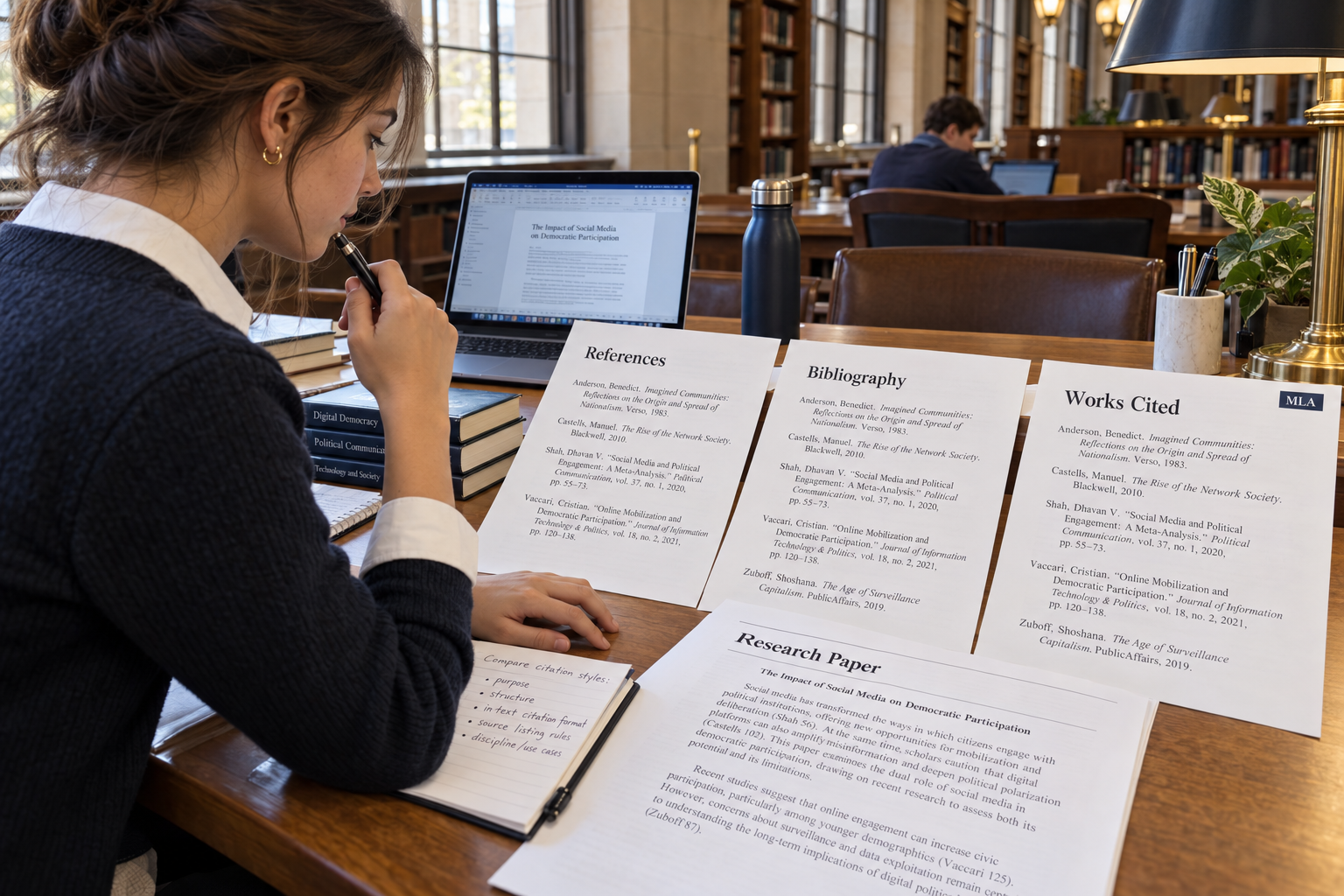
Referencing is the primary mechanism through which academic writers avoid plagiarism. Accurate citations allow readers to trace ideas back to their original sources.
Referencing systems vary across disciplines, but all require consistency, completeness, and transparency.
Non-negotiable rule: If an idea did not originate with you, it must be cited clearly and correctly.
Paraphrasing: A Major Risk Area
Paraphrasing is one of the most challenging academic skills and one of the most common sources of unintentional plagiarism. Effective paraphrasing requires rethinking an idea, not simply rewording a sentence.
Students should aim to fully understand a source before expressing its ideas in a new structure and voice, supported by proper citation.
Characteristics of Effective Paraphrasing
Good paraphrasing demonstrates comprehension and analytical control. It differs noticeably from the source while preserving the original meaning.
Crucially, even well-paraphrased material still requires citation.
Plagiarism in Digital and Online Sources
The accessibility of online materials increases plagiarism risk, particularly when students assume freely available content does not require citation.
Websites, reports, blogs, and online articles are all protected intellectual work and must be referenced appropriately.
| Source Type | Common Mistake | Correct Approach |
|---|---|---|
| Web articles | No citation provided | Full reference with URL |
| Lecture slides | Treated as personal notes | Cite as institutional material |
| Online summaries | Copied explanations | Use original analysis |
Digital convenience does not reduce academic responsibility.
Plagiarism Detection Software and How It Works
Most universities use plagiarism detection software to compare student submissions against databases of academic work and online sources.
These systems identify similarity, not intent, meaning legitimate citations can still trigger reports if poorly integrated.
Consequences of Plagiarism in Academic Writing
Penalties for plagiarism vary depending on severity and academic level. Outcomes may range from reduced marks to course failure or disciplinary action.
Beyond institutional penalties, plagiarism can undermine confidence and academic development.
Strategies to Avoid Plagiarism Effectively
Avoiding plagiarism requires proactive academic habits rather than last-minute checks. Time management and research organisation are critical.
Developing strong academic writing skills reduces reliance on source wording.
- Take clear notes distinguishing sources from ideas
- Draft assignments early to allow revision
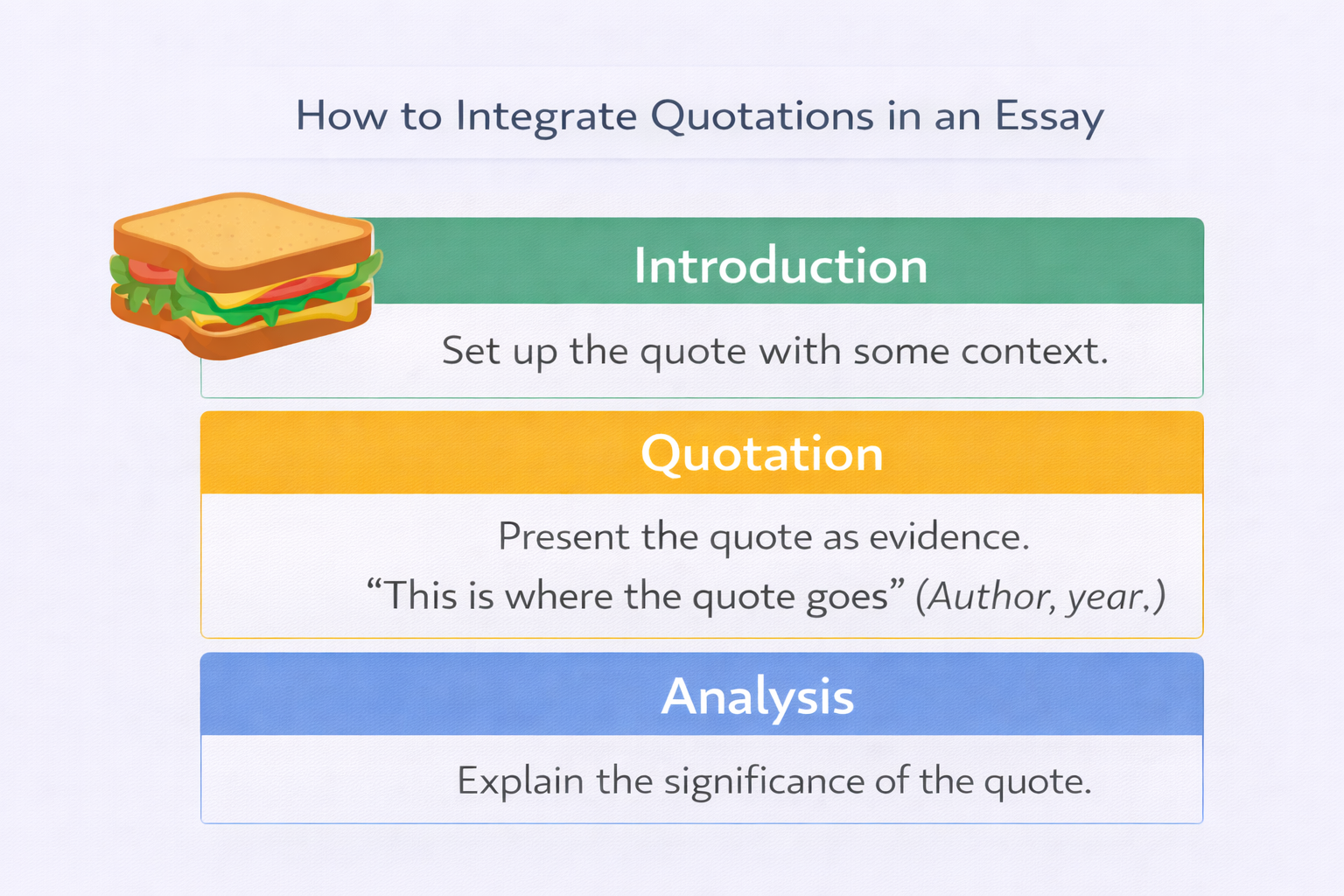
- Use quotations sparingly and purposefully
These strategies support both originality and academic integrity.
Plagiarism in Group Work and Collaboration
Group assignments introduce unique plagiarism risks, particularly when roles are unclear. Shared responsibility does not remove individual accountability.
Clear communication and documentation help prevent accidental misconduct.
Plagiarism at Advanced Levels of Study
At postgraduate level, plagiarism expectations become stricter. Independent contribution and original analysis are central assessment criteria.
Failure to meet these expectations can have lasting academic consequences.
Understanding Plagiarism as an Academic Skill Issue
Plagiarism is often framed as a moral failing, but in practice it is frequently a skills issue. Many students have never been formally taught how to paraphrase or reference effectively.
Viewing plagiarism prevention as skill development encourages learning rather than fear.
Plagiarism in Academic Writing: Final Guidance
Plagiarism undermines academic credibility, but it is also largely preventable through understanding, planning, and careful writing.
By mastering citation practices, developing paraphrasing skills, and engaging critically with sources, students can produce original, ethical, and academically strong work with confidence.
Comments