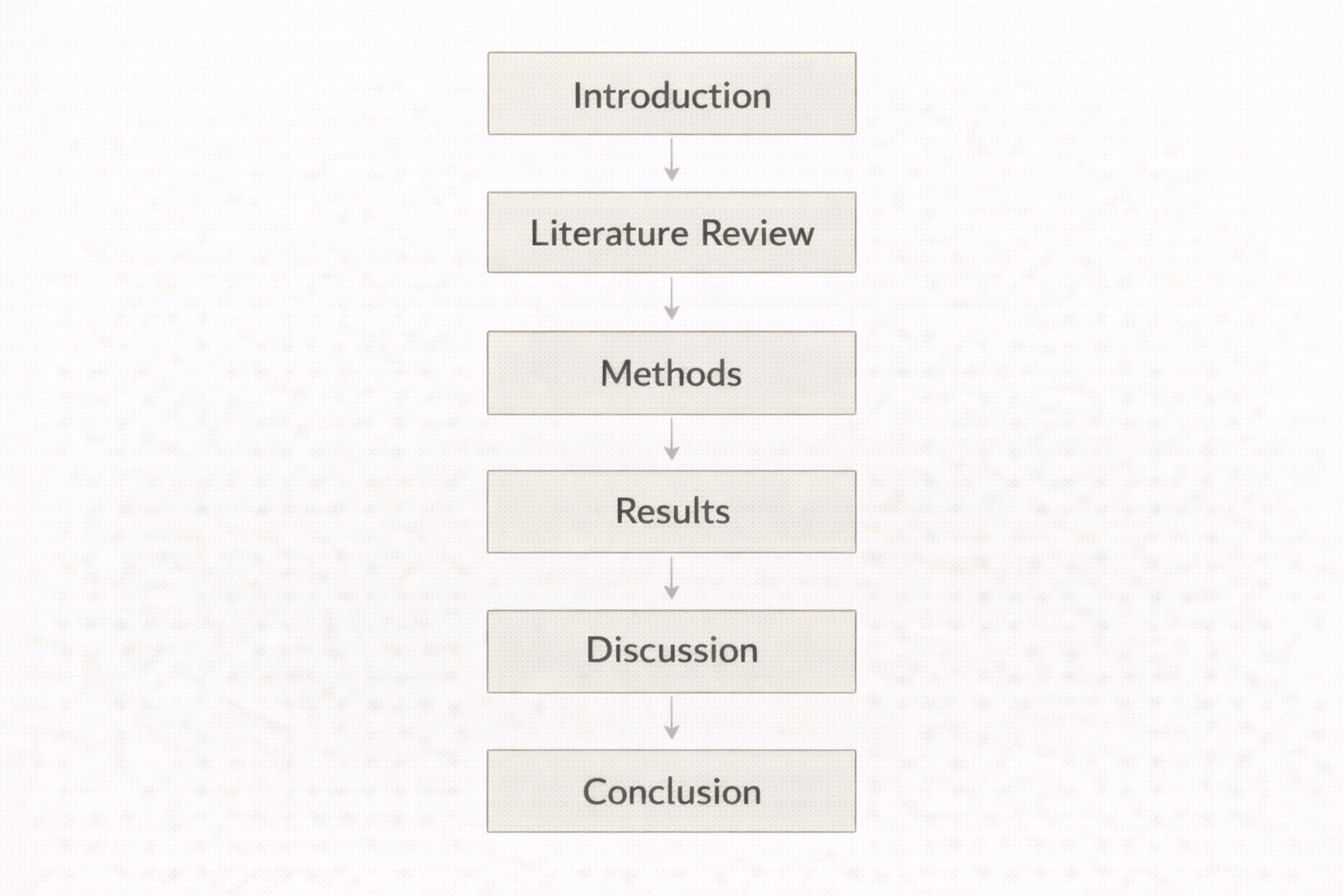
Writing a research paper is rarely difficult because of language alone. In most cases, students struggle because their ideas are poorly organised or their argument lacks a clear direction. This is where a well-designed research paper outline template becomes essential.
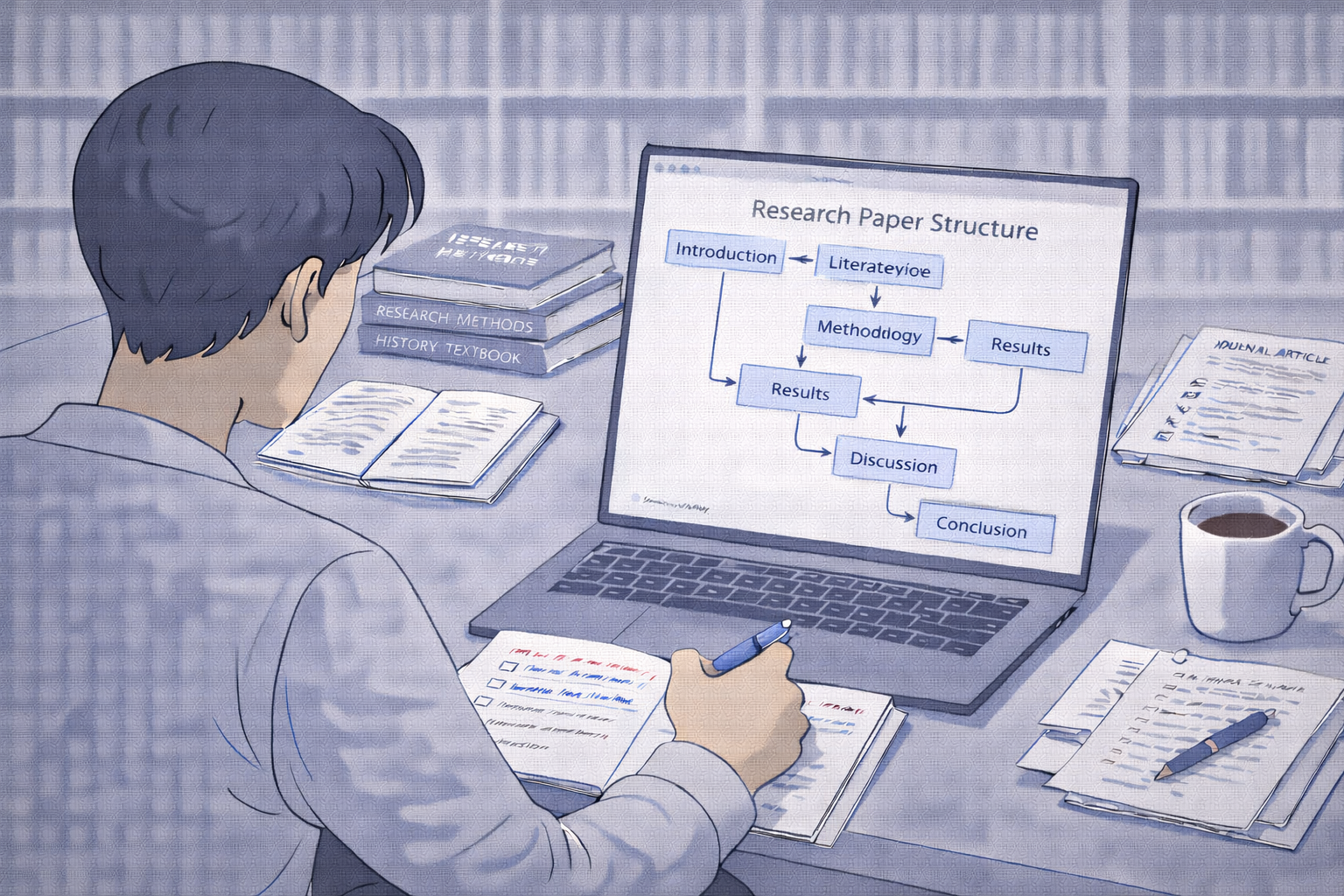
An outline acts as the intellectual backbone of a research paper. It forces you to think through the structure of your argument before you begin writing, ensuring that each section has a clear purpose and that ideas develop logically. This guide explains how to use a research paper outline template effectively at university level.
What a Research Paper Outline Is and Why It Matters
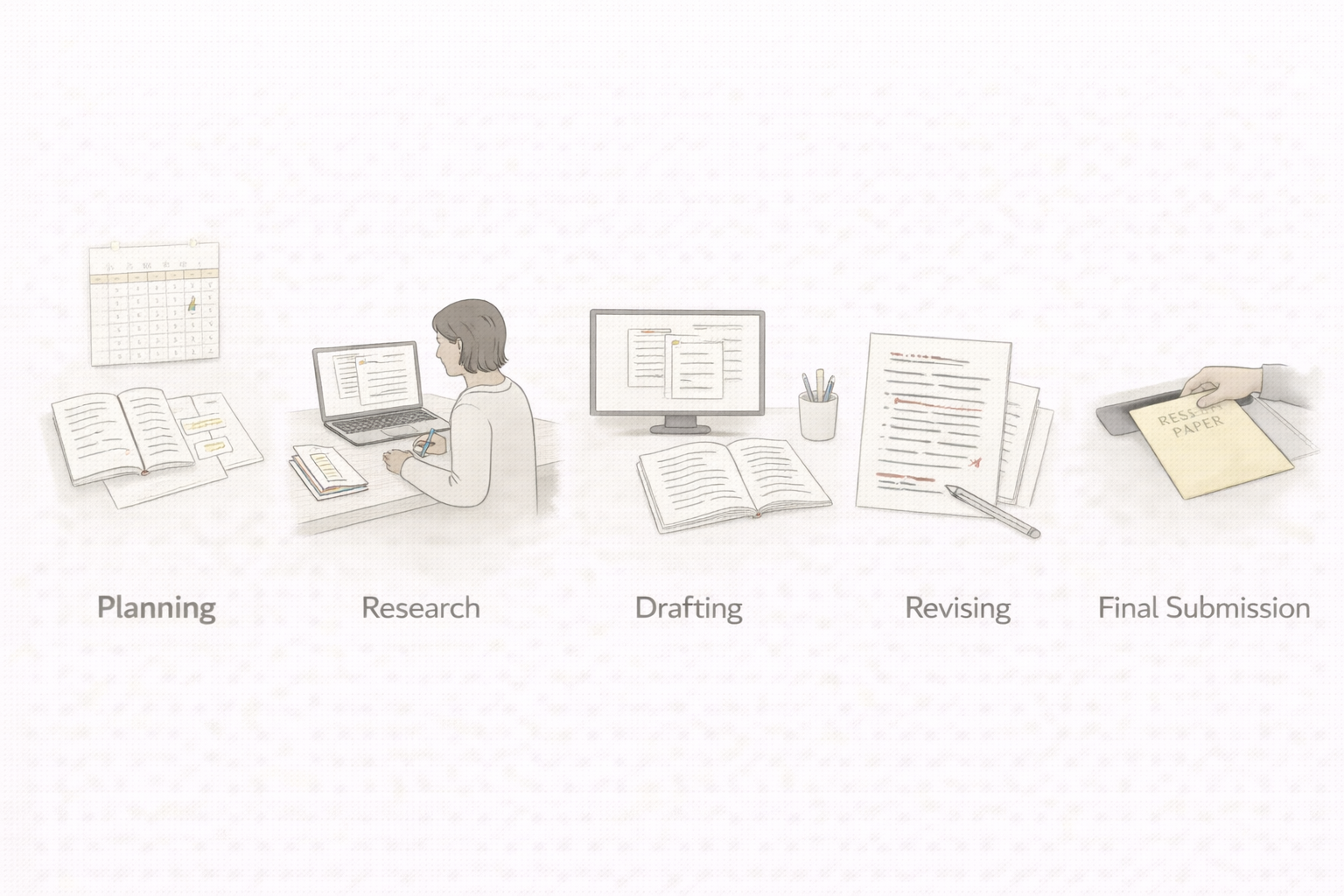
A research paper outline is a structured plan that maps out the main sections, arguments, and evidence of your paper before drafting begins. It is not a summary of sources, nor is it a rough draft. Instead, it functions as a strategic blueprint that guides research, writing, and revision.
At university level, markers expect coherence, logical progression, and analytical depth. An outline helps you meet these expectations by ensuring that each paragraph contributes directly to your research question or thesis. Without an outline, papers often become descriptive, repetitive, or unfocused.
Academic writing resources on Epic Essay consistently emphasise planning as a core academic skill because strong structure often distinguishes high-scoring research papers from average ones.
Core Components of a Standard Research Paper Outline
While disciplines vary slightly, most research papers follow a recognisable academic structure. Understanding these components allows you to adapt your outline template to different subjects without losing clarity or rigour.
The outline below represents a widely accepted structure used across social sciences, humanities, and many applied disciplines.
| Section | Purpose in the Paper |
|---|---|
| Introduction | Introduces the topic, context, and research question or thesis |
| Literature Review | Positions the study within existing academic research |
| Methodology | Explains how data or evidence was collected and analysed |
| Results / Analysis | Presents findings or analytical discussion |
| Discussion | Interprets results and links them to the research question |
| Conclusion | Synthesises findings and highlights implications |
This structure provides clarity for both the writer and the reader, making complex research easier to follow.
Step-by-Step Research Paper Outline Template
A strong outline should move from broad concepts to specific analytical tasks. Below is a detailed outline template that students can adapt to most research assignments.
Introduction Section Outline
The introduction sets the intellectual foundation of the paper. In your outline, this section should include notes on background context, the research problem, and the precise focus of the study.
- Brief background to the topic
- Identification of the research problem or gap
- Clear research question or thesis statement
- Outline of the paper’s structure
Planning these elements in advance prevents vague introductions that fail to establish academic purpose.
Literature Review Outline
The literature review is often the most challenging section for students because it requires synthesis rather than summary. Your outline should group sources thematically, not individually.
- Key theoretical frameworks
- Major debates or schools of thought
- Areas of agreement and disagreement
- Identified research gaps
Outlining the literature review thematically ensures your writing demonstrates critical engagement with sources.
Methodology Outline
Not all research papers require a methodology section, but when included, it must be precise and transparent. Your outline should clarify what you did and why.
- Research design (qualitative, quantitative, mixed)
- Data sources or participants
- Data collection methods
- Analytical approach
- Ethical considerations
Planning this section carefully enhances the credibility and replicability of your research.
Analysis or Results Outline
This section presents evidence or analysis in a logical sequence. The outline should break the section into sub-arguments or findings that directly address the research question.
- Subsection 1: Key finding or argument
- Supporting evidence or data
- Subsection 2: Next major finding or theme
- Comparative or contrasting evidence
A detailed outline helps prevent repetition and ensures analytical depth.
Discussion Section Outline
The discussion interprets findings rather than restating them. Your outline should explicitly connect results to theory, literature, and research objectives.
- Interpretation of key findings
- Comparison with previous studies
- Theoretical or practical implications
- Limitations of the study
Outlining interpretation points in advance strengthens argument coherence.
Conclusion Section Outline
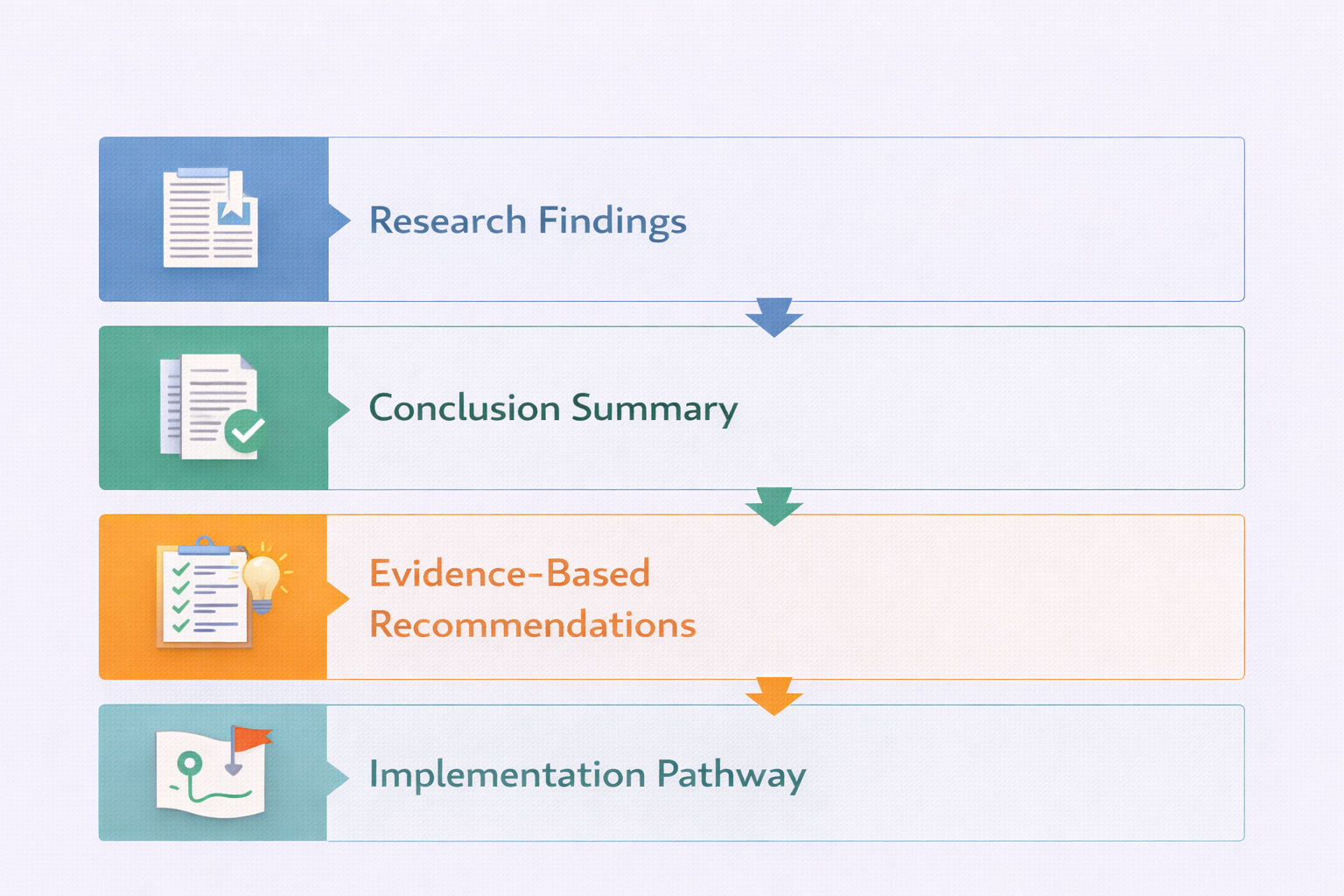
The conclusion synthesises the entire paper. It should not introduce new evidence. Your outline should focus on integration and significance.
- Restatement of research purpose
- Summary of key findings
- Overall contribution of the study
- Suggestions for future research
A planned conclusion leaves a clear and confident final impression on the reader.
Common Mistakes Students Make When Outlining Research Papers
Even when students create outlines, certain errors reduce their effectiveness. One common mistake is making outlines too vague, listing only section titles without analytical detail. Another is outlining after writing, which defeats the purpose of planning.
A research paper outline should guide thinking before writing, not describe what has already been written.
Another frequent issue is failing to align outline sections with the research question. Every outlined section should clearly support the paper’s central aim.
Adapting the Outline Template to Different Disciplines
While the structure above is widely applicable, students should adapt their outline template to disciplinary conventions. For example, humanities papers may integrate analysis and discussion, while science papers follow strict IMRaD formats.
Checking departmental guidelines and sample papers ensures your outline aligns with discipline-specific expectations without sacrificing clarity.
Using an Outline to Improve Writing Efficiency
A well-developed research paper outline template significantly reduces writing time. When the structure is clear, drafting becomes an exercise in expansion rather than invention. This improves confidence and reduces last-minute stress.
Students who struggle with organisation often benefit from outlining alongside professional academic support such as structured writing guidance, editing, or proofreading services offered by Epic Essay.
Building Strong Academic Papers Through Structured Planning
A research paper outline template is not an optional extra but a core academic tool. It supports logical thinking, strengthens argumentation, and ensures coherence across complex research tasks.
By investing time in outlining before writing, students produce research papers that are clearer, more persuasive, and more academically credible. Strong structure leads to stronger marks and deeper engagement with scholarly work.
Comments