In academic writing, the conclusion is often the section where students unintentionally weaken otherwise strong essays. One of the most frequent causes is confusion about how to restate the thesis effectively. Many conclusions simply repeat the introduction, while others avoid the thesis altogether, assuming it has already been addressed.
Restating the thesis in a conclusion is a core academic skill. It signals argumentative control, coherence, and awareness of how academic texts are evaluated. This article explains what restating a thesis actually means, how it differs from repetition, and how students can do it in a way that strengthens assessment outcomes.
What It Means to Restate a Thesis Academically
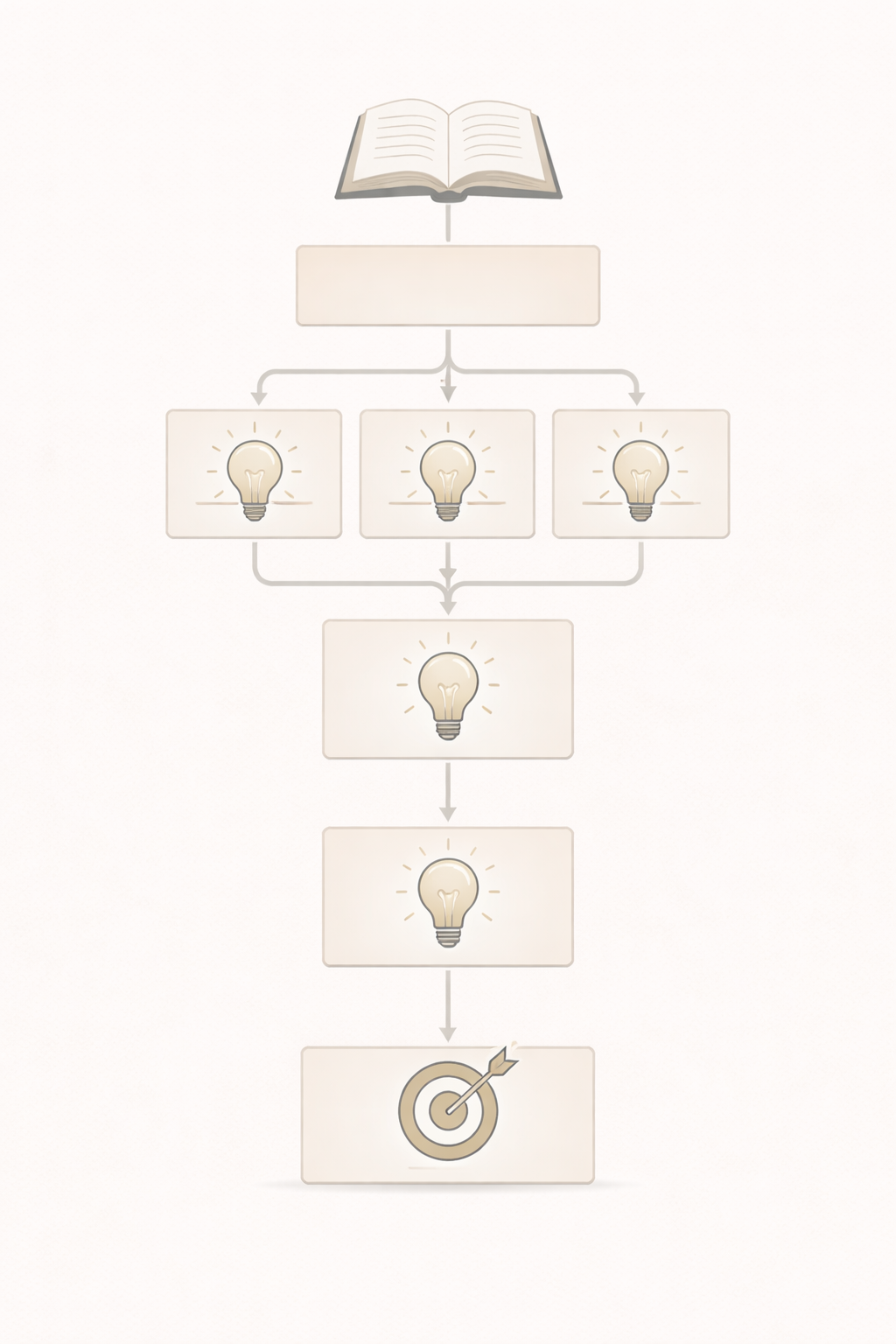
To restate a thesis academically means to re-express the central argument of the essay in light of the analysis that has taken place. It is not a mechanical restatement of wording from the introduction, but a refined articulation that reflects intellectual progression.
An effective restated thesis demonstrates that the writer understands how evidence, reasoning, and discussion have shaped the original claim. The thesis evolves from a proposed argument into a supported position.
This evolution is what examiners look for when assessing conclusion quality.
Key academic principle: A restated thesis reflects development, not duplication.
Why Examiners Expect the Thesis to Reappear in the Conclusion
From an assessment perspective, the conclusion functions as a test of coherence. Examiners read it to confirm whether the essay has delivered on its initial promise.
Restating the thesis allows markers to see whether the argument introduced at the beginning has been maintained, refined, or logically supported throughout the essay.
When a conclusion omits the thesis entirely, it often signals a lack of argumentative focus or structural awareness.
Restating Versus Repeating: The Critical Distinction
One of the most common mistakes students make is repeating the thesis word for word. This approach adds no academic value and often reduces marks.
Repetition suggests that no analytical movement has occurred. In contrast, restatement shows that the argument has been tested, explored, and justified.
The distinction lies in transformation rather than paraphrase alone.
How Analysis Changes the Thesis
During the body of an essay, claims are examined, challenged, and supported with evidence. This process naturally deepens the original thesis.
When restating the thesis in the conclusion, students should draw on this analytical depth. The wording should reflect certainty, clarity, and resolution rather than proposal.
This shift signals intellectual maturity.
Structural Placement of the Restated Thesis
In most academic essays, the restated thesis appears early in the conclusion paragraph, often within the first or second sentence.
This placement immediately re-anchors the reader and frames the synthesis that follows. It also prevents conclusions from drifting into summary without direction.
However, placement alone is not sufficient; integration is equally important.
Integrating the Restated Thesis With Synthesis
A restated thesis should not stand alone. It must be embedded within synthesis that connects the main analytical strands of the essay.
This integration demonstrates that the thesis is supported by the essay as a whole rather than asserted independently.
Strong conclusions therefore combine restatement with consolidation.
| Approach | Characteristic | Academic Impact |
|---|---|---|
| Direct repetition | Same wording as introduction | Signals lack of development |
| Simple paraphrase | Minor wording changes only | Limited analytical value |
| Analytical restatement | Reflects evidence and reasoning | Demonstrates synthesis and control |
This distinction is central to high-scoring conclusions.
Language Choices When Restating a Thesis
The language used to restate a thesis should convey resolution and authority. Tentative phrasing that was appropriate in the introduction may no longer be suitable.
Verbs often shift from exploratory to assertive forms, reflecting that the argument has now been established.
At the same time, overstatement should be avoided to maintain academic precision.
Disciplinary Differences in Thesis Restatement
While the principle of thesis restatement is consistent across disciplines, its expression varies. Humanities essays may emphasise interpretation, while scientific or social science writing may stress findings or implications.
Understanding disciplinary conventions helps students adjust tone without altering structure.
Regardless of discipline, the thesis must remain recognisable and relevant.
Common Mistakes When Restating the Thesis
Several recurring errors weaken conclusion paragraphs and reduce academic credibility.
- Copying the introduction verbatim
- Introducing a new or modified argument
- Using vague or generic language
- Restating without synthesis
Each of these mistakes disrupts coherence and signals poor structural control.
Examiner warning: A conclusion that alters the thesis introduces inconsistency and is often penalised.
Restating the Thesis in Multi-Paragraph Conclusions
In longer assignments, conclusions may span multiple paragraphs. In such cases, the restated thesis still appears early but may be revisited implicitly rather than explicitly.
Subsequent paragraphs may explore implications, limitations, or broader significance while remaining anchored to the thesis.
The key requirement is consistency rather than repetition.
Developing Skill in Thesis Restatement
Effective thesis restatement develops through deliberate practice. Reviewing introductions and conclusions side by side helps students identify whether progression is clear.
Feedback from markers often highlights whether conclusions feel resolved or repetitive.
With experience, students learn to restate theses naturally and confidently.
Final Guidance on Restating the Thesis in a Conclusion
Restating the thesis in a conclusion is not a technical formality but a demonstration of academic reasoning. It shows that the writer understands how arguments develop and how essays achieve closure.
By restating the thesis analytically, integrating it with synthesis, and maintaining disciplinary awareness, students can significantly improve conclusion quality.
A strong restated thesis signals not just an ending, but intellectual completion.



Comments