“2000 words how many pages?” is a question that appears simple on the surface but often causes confusion in academic contexts. Students are frequently given assignments with strict word limits, sometimes accompanied by an indicative page range. When the final document looks longer or shorter than expected, uncertainty quickly follows.
The key to answering this question lies in understanding how universities measure written work. Page count is not an absolute metric; it is shaped by formatting choices, spacing rules, and academic conventions. This guide explains exactly how 2,000 words translate into pages, why the number varies, and how students should interpret length requirements with confidence.
Why Word Count Matters More Than Page Count
In higher education, word count is the primary tool used to standardise academic workload. Pages are visually flexible, while word counts are precise and measurable. Two essays of the same word length can look very different on the page depending on formatting.
For this reason, lecturers and examiners assess compliance based on the number of words rather than how many pages the document fills. Page count is best understood as an approximate guide rather than a requirement.
When an assignment specifies 2,000 words, it signals the expected depth of analysis, argument development, and engagement with sources.
Academic principle: Word count is authoritative; page count is descriptive.
Standard Academic Formatting Assumptions
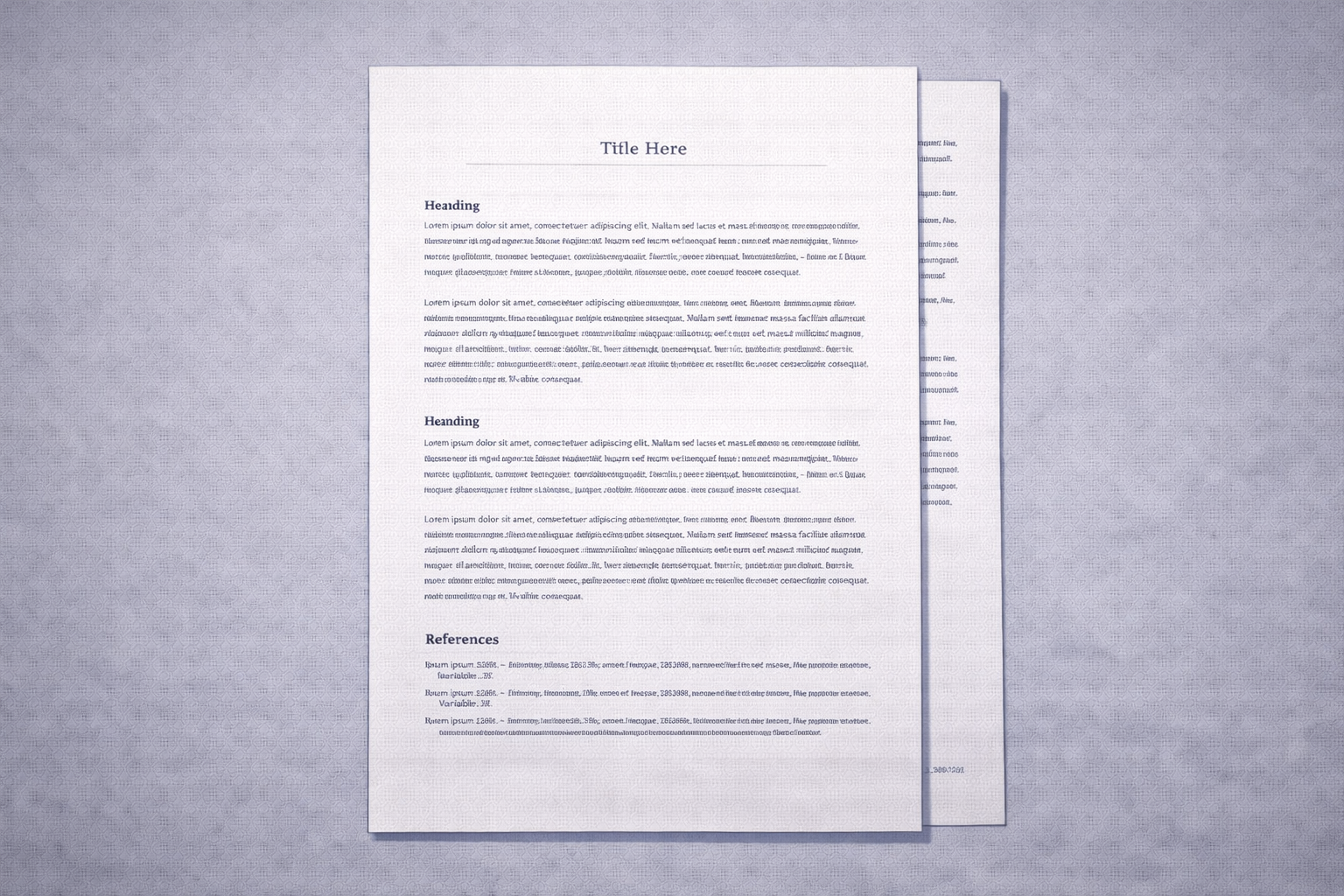
To estimate how many pages 2,000 words make, we must begin with standard academic formatting. Unless otherwise stated, most universities assume conventional presentation rules.
These standards ensure fairness and consistency across submissions.
- Font: Times New Roman or Arial
- Font size: 12-point
- Line spacing: Double-spaced
- Margins: 1 inch (2.54 cm) on all sides
Using these settings, page length becomes predictable across disciplines.
How Many Pages Is 2000 Words Double-Spaced?
With standard academic formatting and double spacing, 2,000 words typically equal approximately eight pages. This estimate is based on an average of 250 words per double-spaced page.
The calculation is straightforward: dividing 2,000 words by 250 words per page results in eight pages of text. This is the most common expectation for undergraduate essays and many postgraduate assignments.
Minor variation may occur depending on paragraph structure and the use of headings, but eight pages is a reliable benchmark.
| Formatting Style | Approx. Words per Page | Estimated Pages |
|---|---|---|
| Double-spaced | 250 | 8 pages |
| Single-spaced | 500 | 4 pages |
This comparison highlights why spacing is the most significant factor affecting page length.
Single-Spaced Writing and Page Length
When text is single-spaced, the number of words per page approximately doubles. A single-spaced academic page typically contains around 500 words.
Under these conditions, 2,000 words usually equal four pages. Single spacing is common in reports, reflective pieces, and some technical documents, but less common in traditional essays.
Students should never change spacing unless the assignment brief explicitly permits it.
Critical warning: Altering spacing to reduce page count may be treated as non-compliance.
The Role of Font Type and Size
Font choice influences page length subtly but meaningfully. Times New Roman is relatively compact, while fonts like Arial occupy more horizontal space.
Even when font size remains at 12-point, switching fonts can add or remove lines per page. Over an eight-page essay, these small differences accumulate.
To avoid penalties or confusion, students should always follow the font instructions provided in the assignment brief.
Paragraph Structure and White Space
Paragraphing plays a significant role in how long an essay appears on the page. Essays with clear paragraph breaks naturally take up more vertical space.
This is not a flaw. Academic writing values clarity, logical progression, and readability over compactness.
Well-structured paragraphs support the argument and are often rewarded by examiners, even if they increase page count slightly.
Headings and Subheadings in a 2000-Word Essay
Assignments that allow or require headings will usually extend page length beyond the basic estimate. Headings introduce visual breaks and white space.
In a 2,000-word essay, headings may add up to half a page without changing the word count. This is entirely acceptable when headings are academically justified.
Students should prioritise clarity and structure over visual compactness.
What Does Not Count Toward the 2000 Words
Understanding what is excluded from the word count helps explain why page numbers can exceed expectations.
In most universities, the following elements are excluded unless stated otherwise:
- Title pages
- Reference lists or bibliographies
- Appendices
These sections may add several pages to the document without affecting the 2,000-word limit.
Why Examiners Ignore Page Count
Markers do not assess essays based on how many pages they occupy. Evaluation focuses on argument quality, evidence integration, critical thinking, and coherence.
An essay that meets learning outcomes in seven and a half pages will score higher than a poorly argued essay that fills nine pages.
Page count is therefore irrelevant to grading once word count compliance is met.
Common Misconceptions About 2000 Words
One common misconception is that an essay must “look long enough” to meet expectations. This leads some students to add unnecessary spacing or filler.
Another error is relying on online calculators without checking formatting assumptions. These tools often default to single spacing or non-standard fonts.
Accurate understanding eliminates these mistakes.
How Lecturers Design a 2000-Word Assignment
A 2,000-word assignment is designed to test sustained argumentation and critical engagement. It allows space for multiple perspectives, evidence synthesis, and analytical depth.
Typically, such an essay includes a structured introduction, several developed body sections, and a reflective conclusion.
This structure aligns naturally with an eight-page double-spaced format.
Planning a 2000-Word Essay by Word Allocation
Effective planning focuses on word distribution rather than page count. This ensures balanced development across sections.
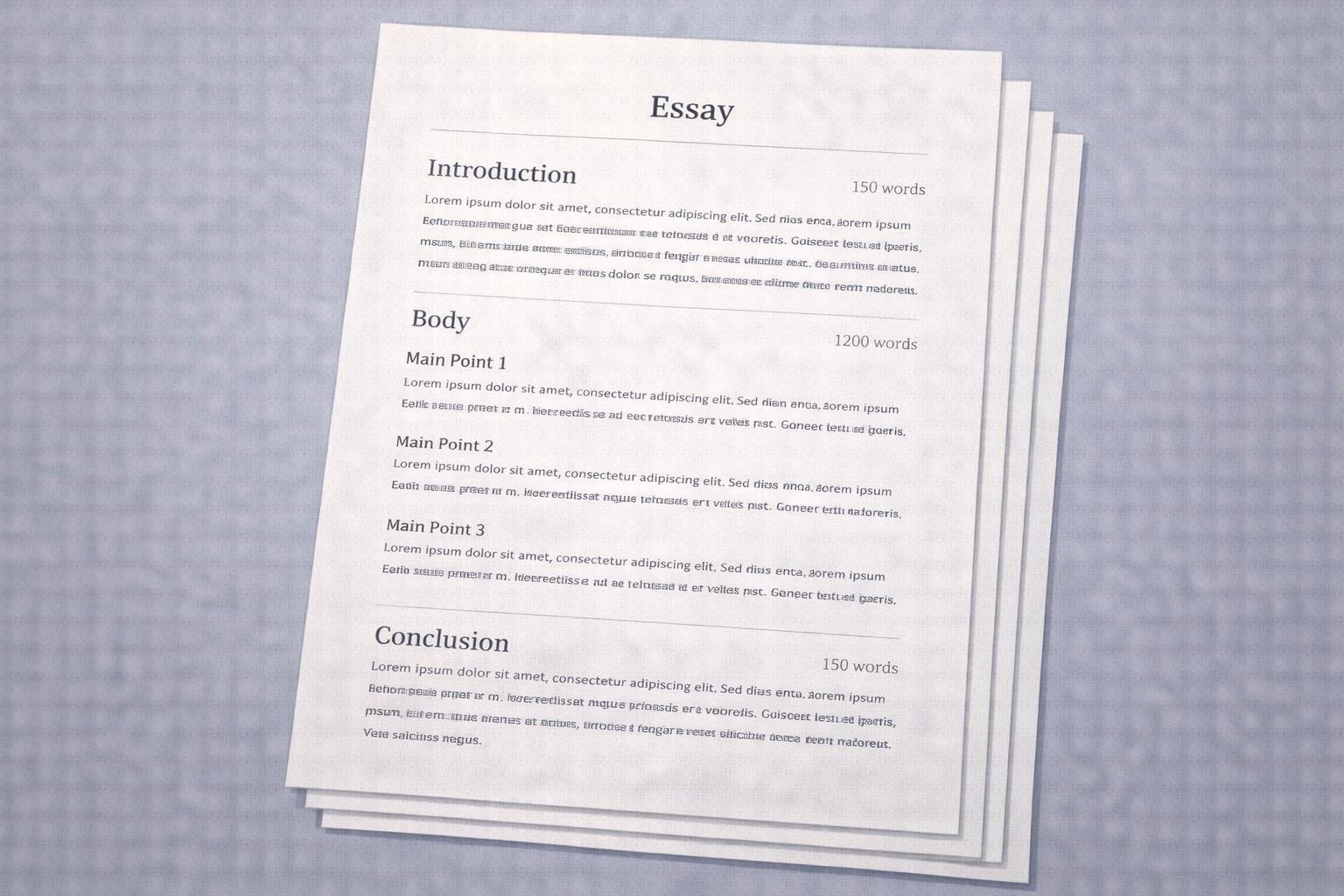
A typical breakdown might include:
- Introduction: 150–200 words
- Main body: 1,500–1,600 words
- Conclusion: 200–250 words
This approach guarantees depth and coherence regardless of final page length.
Editing and Page Length Changes
During editing, page length may change even if word count stays constant. Refining sentences, adjusting paragraph breaks, or improving transitions can alter layout.
This is a normal part of academic revision and should not cause concern.
Final checks should always prioritise word count accuracy.
Using Page Count as a Planning Tool Only
Page estimates are useful at the planning stage. Knowing that 2,000 words equal roughly eight double-spaced pages helps with time management and workload estimation.
However, page count should never replace careful attention to assignment instructions.
Words, not pages, define academic expectations.
Answering the Question Clearly
So, how many pages is 2,000 words? Under standard university formatting, the answer is approximately eight double-spaced pages or four single-spaced pages.
The precise number may vary slightly, but the underlying principle remains the same: formatting determines pages, while word count defines academic scope.
By focusing on structure, clarity, and word limits, students can approach 2,000-word assignments with confidence and accuracy.
Comments