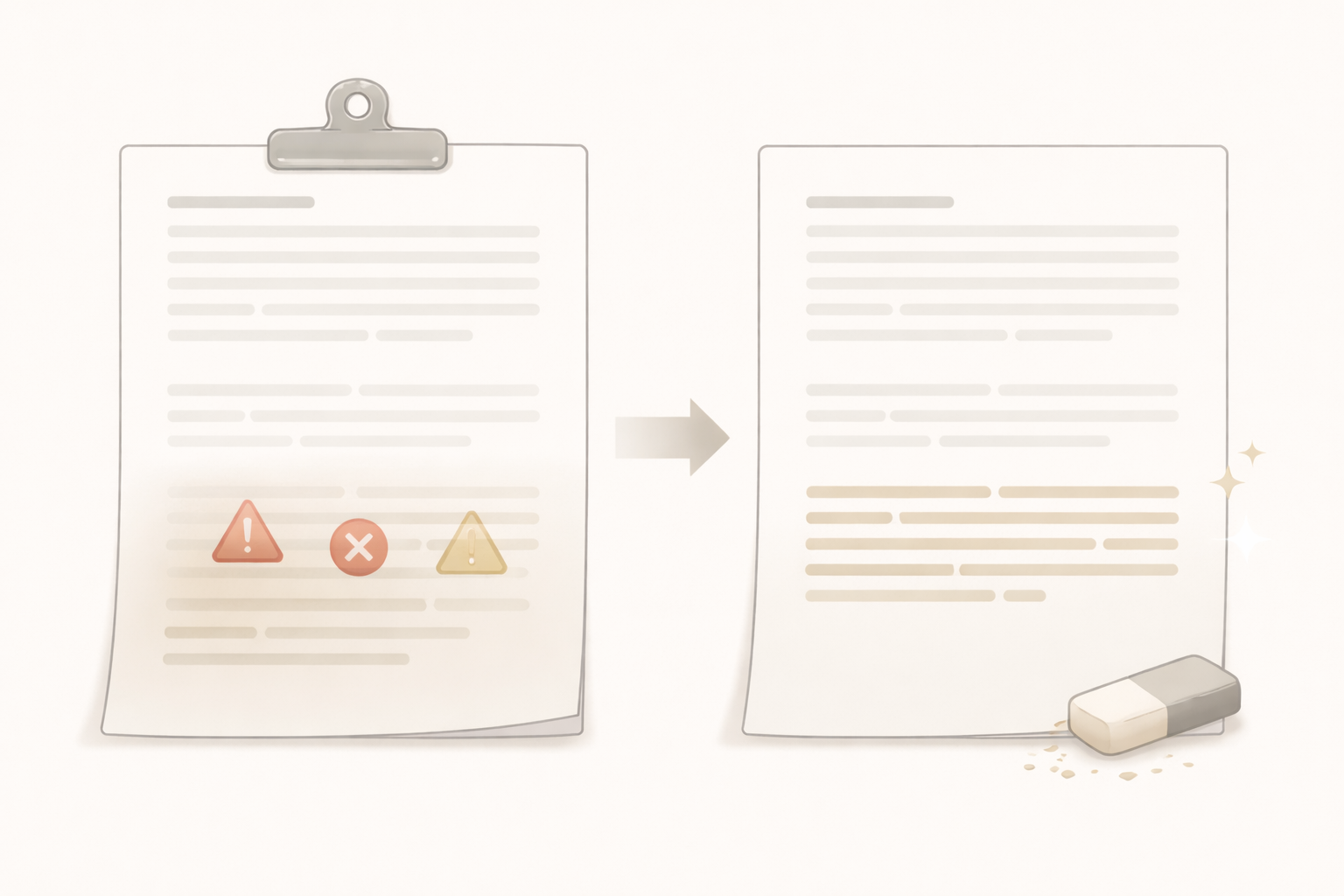
In academic writing, conclusions are often treated as an afterthought. Students frequently invest substantial effort in research, analysis, and structure, only to rush the final paragraph. As a result, otherwise strong essays can feel unfinished, confused, or academically weak.
Common conclusion mistakes are not usually dramatic errors. Instead, they involve subtle structural and conceptual problems that undermine coherence, argument strength, and examiner confidence. This article examines the most frequent conclusion mistakes in academic essays and explains how to avoid them systematically.
Why Conclusions Are a Common Weak Point in Academic Essays
Conclusions demand synthesis rather than explanation, which many students find difficult. Unlike body paragraphs, conclusions do not introduce evidence or develop new arguments. Instead, they require the writer to demonstrate understanding of what has already been established.
This shift in function often causes uncertainty. Students may feel they have “nothing new to say” and compensate by repeating earlier content or adding irrelevant material. Both responses result in weak conclusions that fail to meet academic expectations.
Examiners view the conclusion as a test of intellectual control. If the ending is unclear, the entire essay appears less coherent.
Repeating the Introduction Instead of Synthesising the Argument
One of the most common conclusion mistakes is repeating the introduction with minimal changes. While restating the thesis is appropriate, copying phrasing or structure from the opening paragraph signals a lack of development.
An effective conclusion shows how the argument has evolved. Simply rephrasing the introduction ignores the analytical work carried out in the body of the essay.
This mistake often results from misunderstanding the purpose of a conclusion.
Academic expectation: A conclusion should reflect the journey of the argument, not mirror its starting point.
Introducing New Ideas or Evidence in the Conclusion
Another frequent error is introducing new arguments, theories, or evidence in the final paragraph. This creates structural imbalance and leaves the reader without adequate explanation.
New material in a conclusion raises questions that the essay no longer has space to address. Examiners interpret this as poor planning rather than intellectual ambition.
Strong conclusions work exclusively with ideas already established in the essay.
Using Overly Generic or Vague Ending Statements
Many conclusions end with vague phrases such as “this topic is important” or “more research is needed.” While these statements may be true, they lack specificity and analytical value.
Generic endings fail to demonstrate what the essay itself has contributed. They could apply to almost any topic, which makes them academically weak.
Precision is essential in conclusion writing.
Relying on Formulaic Transition Phrases
Students are often taught to begin conclusions with phrases like “in conclusion” or “to conclude.” While not technically incorrect, overreliance on these markers can make writing feel mechanical.
In academic writing, structure should be clear from logic rather than signposting alone. Excessive use of formulaic transitions suggests insecurity rather than clarity.
A strong conclusion does not need to announce itself.
Failing to Clearly Answer the Essay Question
Some conclusions summarise discussion without explicitly answering the essay question. This is a serious academic flaw, particularly in assessment contexts.
Examiners look to the conclusion to confirm that the question has been addressed directly and decisively. If the answer remains implicit or ambiguous, marks are lost.
Every conclusion should make the essay’s final position unmistakable.
Ending Too Abruptly Without Intellectual Closure
Another common conclusion mistake is ending too suddenly. This often occurs when students underestimate the importance of the final sentence.
An abrupt ending leaves the reader without a sense of resolution. Even if the argument is sound, the lack of closure diminishes its impact.
Strong conclusions guide the reader to a clear stopping point.
Overstating Claims Beyond the Evidence Presented
Some students attempt to sound confident by making absolute or exaggerated claims in the conclusion. This can backfire if the essay does not fully support such statements.
Academic confidence comes from alignment between evidence and claims, not from rhetorical force. Overstatement signals weak critical judgement.
Balanced conclusions are more persuasive than dramatic ones.
Emotional or Opinion-Based Ending Statements
In academic contexts, conclusions should remain analytical rather than emotive. Ending with personal opinions or emotional appeals undermines academic tone.
While reflection may be appropriate in specific assignments, most academic essays require objective synthesis rather than personal commentary.
Maintaining scholarly tone to the final sentence is essential.
Length Imbalance in the Conclusion
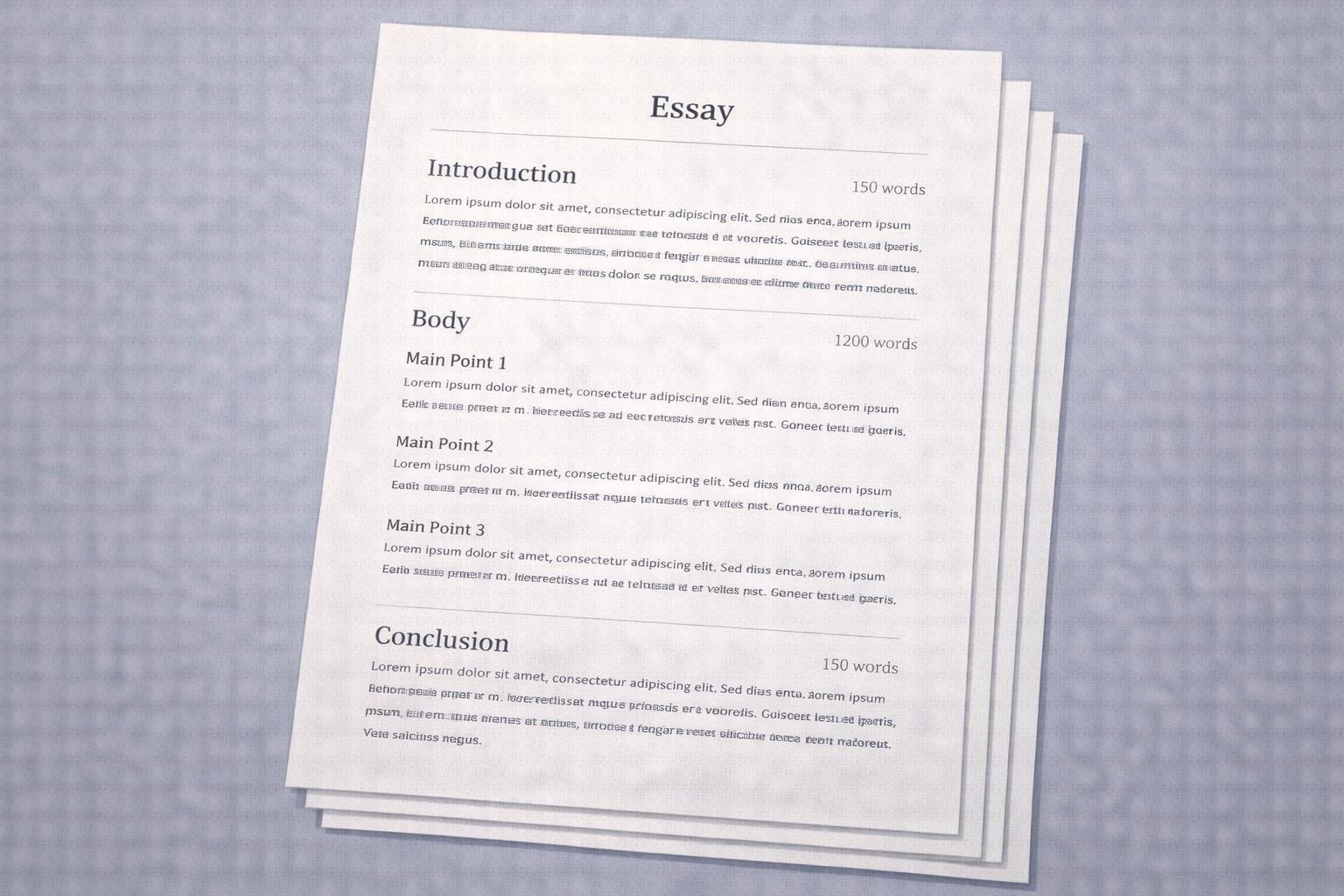
Conclusions that are disproportionately short or long create structural problems. A two-sentence conclusion following a 3,000-word essay feels underdeveloped.
Conversely, an excessively long conclusion may repeat analysis unnecessarily. Balance reflects planning and control.
The conclusion should be proportionate to the overall essay.
| Mistake | Academic Impact | Examiner Perception |
|---|---|---|
| Repeating the introduction | Weak synthesis | Lack of development |
| New ideas in conclusion | Structural imbalance | Poor planning |
| Vague ending | Low analytical value | Unclear argument |
| Overstated claims | Loss of credibility | Poor judgement |
This overview shows how conclusion mistakes affect assessment outcomes.
How to Diagnose Conclusion Problems During Revision
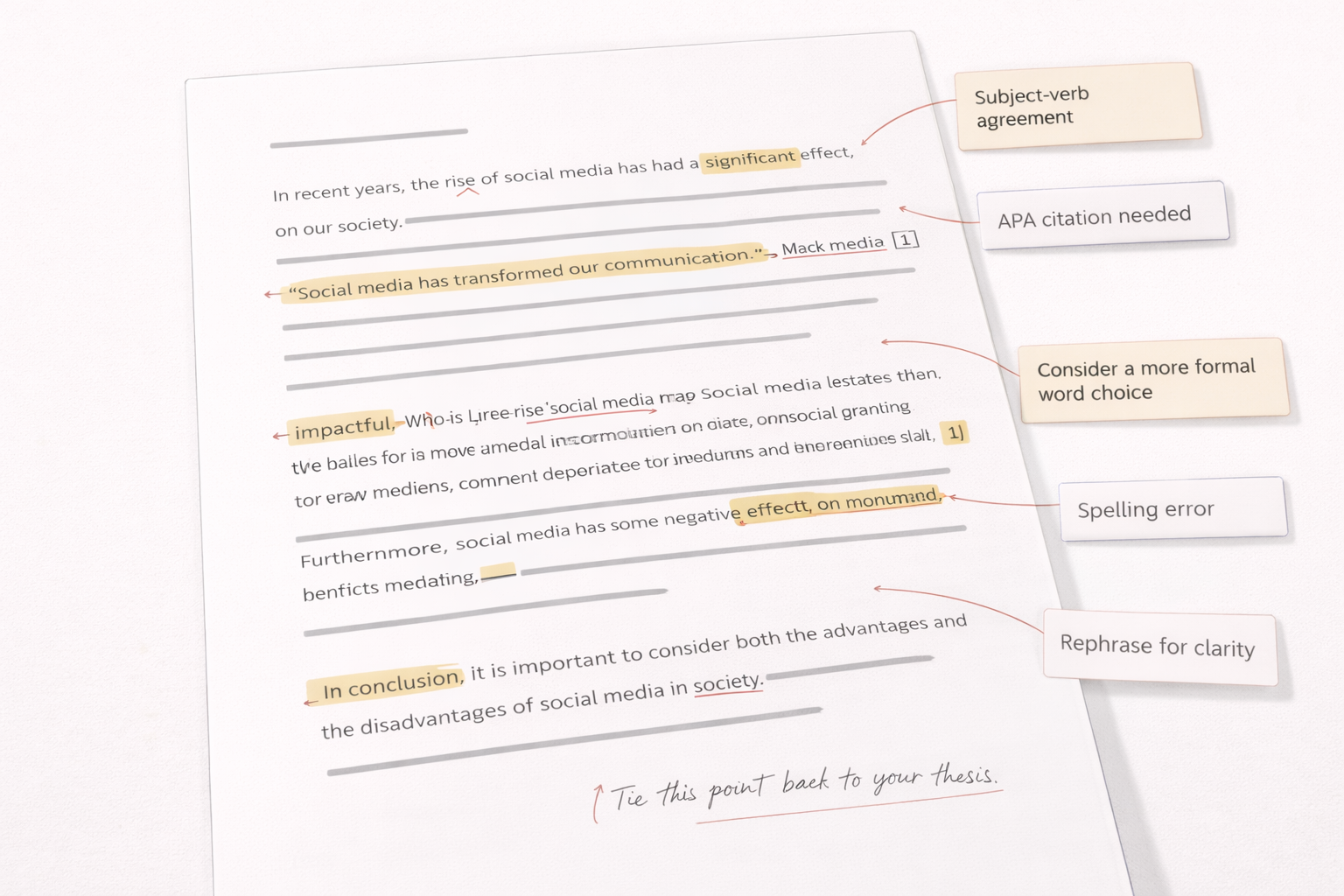
Effective revision involves reading the conclusion independently from the rest of the essay. If the final paragraph clearly communicates the argument’s outcome, it is likely effective.
Students should ask whether the conclusion answers the essay question, reflects the discussion, and provides closure. If any of these elements are missing, revision is needed.
Conclusions often improve significantly through focused editing.
Strategic Principles for Avoiding Conclusion Mistakes
Avoiding common conclusion mistakes requires planning from the beginning of the essay. Writers should consider how their argument will end while drafting the introduction.
This forward-thinking approach ensures coherence and reduces last-minute uncertainty.
Strong conclusions are designed, not improvised.
Final Guidance on Writing Effective Academic Conclusions
Common conclusion mistakes weaken otherwise strong academic essays. They signal uncertainty, poor synthesis, or misunderstanding of academic structure.
By focusing on clarity, balance, and argument resolution, students can avoid these errors and produce conclusions that strengthen their overall work.
An effective conclusion confirms that the essay has achieved its purpose and leaves the reader with intellectual confidence.

Comments